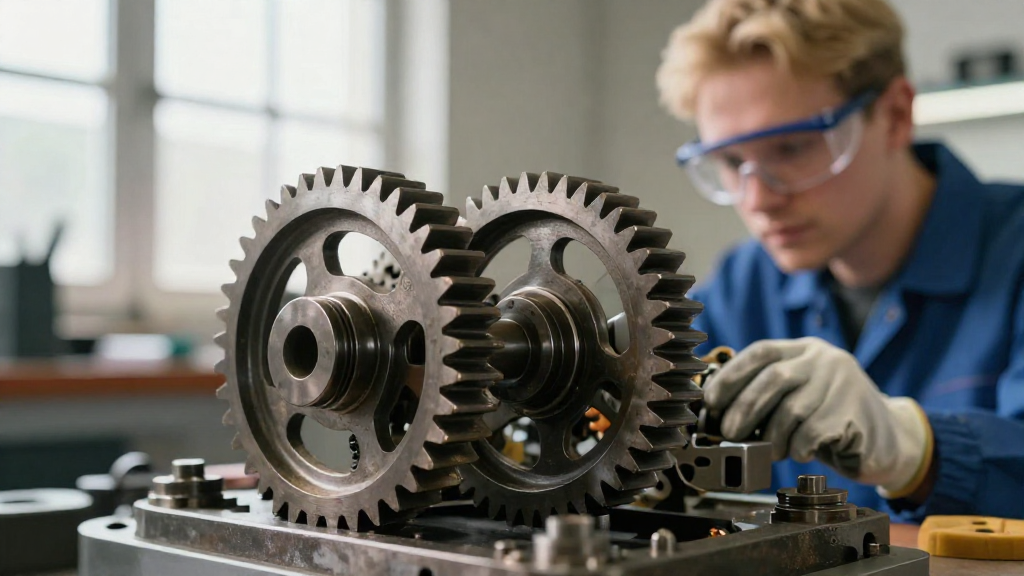
Preventing gear wear is crucial for maintaining the efficiency and longevity of machinery.
Whether you’re in automotive, manufacturing, or other mechanical fields, knowing how to prevent gear wear can save you significant downtime and repair costs.
In this article, we will explore effective methods and practices that you can implement to ensure your gears remain in optimal condition.
What Causes Gear Wear?
Understanding what causes gear wear is the first step in learning how to prevent gear wear.
Several factors contribute to gear wear, including:
- Friction
- Poor lubrication
- Misalignment
- Overloading
- Contamination
By identifying these factors, you can develop strategies to mitigate their effects and prolong the life of your gears.
How Can You Ensure Proper Lubrication?
Lubrication plays a crucial role in reducing friction and wear in gear systems.
To effectively prevent gear wear through lubrication, consider the following steps:
-
Choose the Right Lubricant
– Different gears require specific types of lubricants.
– Select gear oil or grease based on the manufacturer’s specifications. -
Regularly Check Lubricant Levels
– Low oil levels can lead to increased friction and heat.
– Implement a routine inspection schedule. -
Monitor Lubrication Quality
– Contaminated or degraded lubricants can cause more damage than not using any at all.
– Use filters and regularly change the lubricant to maintain its quality. -
Apply Lubrication Correctly
– Ensure that lubricant reaches all necessary gear surfaces.
– Consider using automatic lubrication systems for consistent application.
By focusing on proper lubrication techniques, you can significantly reduce wear and effectively answer the question of how to prevent gear wear.
What Maintenance Practices Should You Follow?
Regular maintenance is crucial for ensuring the longevity of gears.
Here are some best practices to include in your maintenance routine:
- Inspect Gear Alignment
- Misalignment can cause uneven wear.
-
Use precision tools to check and adjust the alignment of gears.
-
Perform Regular Inspections
- Look for signs of wear, such as unusual noises or vibrations.
-
Schedule inspections according to usage and operating conditions.
-
Clean Gear Components
- Dust and debris can cause wear and damage.
-
Keep gear systems clean and free of contaminants.
-
Replace Worn Parts Promptly
- Addressing minor wear before it becomes severe can prevent extensive damage.
- Keep a log of parts and their replacement history to track wear over time.
Incorporating these maintenance practices is an effective way to know how to prevent gear wear.
How Does Operating Environment Affect Gear Wear?
An understanding of how the operating environment affects gear wear is essential for effective management.
Factors to consider include:
- Temperature Fluctuations
- High temperatures can accelerate lubricant degradation.
-
Use heat-resistant lubricants in high-temperature environments.
-
Moisture Levels
- Excess moisture can lead to corrosion and reduce lubricant effectiveness.
-
Implement moisture control solutions where necessary.
-
Dust and Contaminants
- Dust and dirt can infiltrate gear systems, causing wear and reducing efficiency.
- Use seals and shields to protect gears from environmental contaminants.
By controlling the operating environment, you can minimize external factors that contribute to gear wear, answering the question of how to prevent gear wear.
What Role Does Load Management Play in Preventing Gear Wear?
Understanding load management is vital to maintaining the integrity of your gears.
Excessive load can significantly increase the risk of gear wear.
To effectively manage load, consider:
- Understanding Load Specifications
- Each gear is designed to handle specific loads.
-
Refer to manufacturer guidelines before applying loads.
-
Implementing Load Monitoring Systems
- Monitoring the load on gears in real-time can prevent overload situations.
-
Use sensors to provide alerts if loads exceed safe levels.
-
Avoiding Shock Loads
- Sudden changes in load can cause instant wear and damage.
- Implement gradual load applications to reduce shock wear.
By focusing on load management, you can reduce the strain on your gears and mitigate wear, effectively answering how to prevent gear wear.
How Can You Educate Your Team on Gear Care?
Promoting awareness and training about gear care within your organization can prevent premature wear.
Consider implementing the following initiatives:
- Regular Training Sessions
- Schedule training on proper gear handling and maintenance.
-
Use real-life examples to illustrate the importance of preventing gear wear.
-
Create Comprehensive Manuals
- Develop manuals or guides detailing approved maintenance practices for your team.
-
Ensure it includes troubleshooting tips and when to seek professional help.
-
Encourage Open Communication
- Foster an environment where employees feel comfortable reporting issues.
- Create a feedback mechanism for employees to suggest improvements in gear handling.
Educating your team is a crucial step in ensuring everyone understands how to prevent gear wear effectively.
What Tools Can Help Prevent Gear Wear?
Investing in the right tools and equipment can aid in maintaining gear longevity.
Here are some essential tools to consider:
- Alignment Tools
- Laser alignment tools can help ensure accurate gear alignment.
-
Investing in these tools can significantly reduce wear caused by misalignment.
-
Lubrication Systems
- Automatic lubrication systems maintain consistent lubricant application.
-
These systems ensure the right amount of lubricant is provided without user oversight.
-
Vibration Analysis Tools
- Monitoring vibrations can indicate potential gear wear and misalignment.
-
Implementing vibration analysis tools can preemptively address wear issues.
-
Load Monitoring Systems
- These tools help track the operational load on gears.
- By ensuring that loads are within safe parameters, you can significantly reduce wear.
Using the right tools effectively answers how to prevent gear wear by enhancing monitoring and maintenance.
Conclusion
In conclusion, learning how to prevent gear wear involves a combination of maintaining proper lubrication, adhering to best maintenance practices, managing environmental conditions, and educating your team about gear care.
By understanding the dynamics of gear operation and implementing these strategies, you can minimize wear and extend the life of your machinery.
Taking proactive measures is always better than addressing problems after they arise.
Make gear maintenance a priority in your industry, and watch your systems operate more efficiently and effectively.