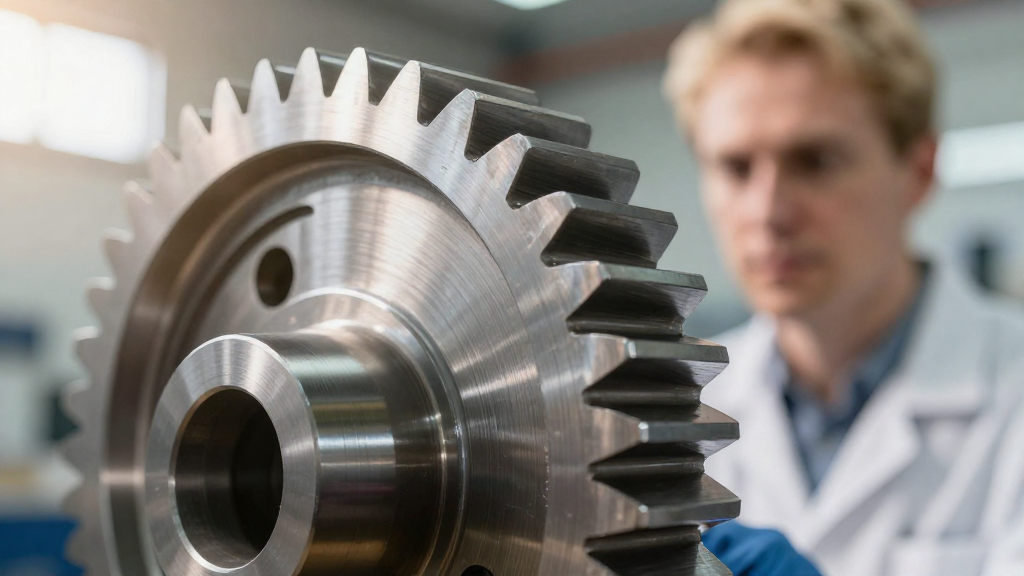
When it comes to the performance and longevity of machinery, gear surface finish plays a crucial role.
In this article, we will explore what gear surface finish is, why it matters, and how it can impact your machinery’s performance.
What Is Gear Surface Finish?
Gear surface finish refers to the texture and quality of the surface of a gear after manufacturing.
It encompasses the roughness, waviness, and lay of the gear surface, which can significantly impact:
- Friction: Smooth surfaces generally result in lower friction, leading to less wear and tear.
- Load Distribution: A well-finished surface allows for even weight distribution, reducing focal stresses.
- Lubrication: The surface finish affects how lubricants interact with the gear surface, which is essential for longevity.
Ultimately, the surface finish directly correlates with the efficiency and durability of the gear in operation.
How Does Gear Surface Finish Affect Performance?
Does Surface Finish Influence Longevity?
Yes, it does.
A high-quality gear surface finish contributes to:
- Reduced Wear: Smooth surfaces experience less abrasive wear, extending the life of gears.
- Lower Noise Levels: Gears with better surface finishes typically operate more quietly.
- Improved Efficiency: Optimal surface finishes reduce energy loss due to friction, thus improving overall workflow efficiency.
Can It Affect Load Capacity?
Absolutely.
The impact of surface finish on load capacity is significant:
- Stress Concentration: Poor finishing can lead to stress risers and increased chances of failure.
- Fatigue Resistance: A well-finished gear can handle higher loads and may withstand fatigue better than a poorly finished one.
- Preventing Surface Cracks: A smooth surface reduces the likelihood of defects that can propagate under load.
What Methods Are Used to Achieve Optimal Gear Surface Finish?
How Are Gears Finished?
Several techniques are used to improve gear surface finish:
-
Grinding: This process is commonly used for a high-quality finish, removing excess material and smoothing surfaces.
-
Lapping: Involves polishing the gear surfaces using an abrasive slurry, leading to an even finer finish.
-
Honing: This technique enhances surface finish through a process that uses abrasive stones, resulting in better accuracy.
-
Shot Peening: A method that introduces compressive stress into the surface, improving fatigue resistance.
-
Electropolishing: A modern method that chemically removes material, achieving a highly polished finish.
Choosing the right finishing method depends on the specific application requirements, including material type and the gear’s intended use.
What Factors Should Be Considered When Assessing Gear Surface Finish?
Is Geometry Important?
Certainly.
The geometry of the gear, including tooth shape and size, is crucial:
- Tooth Alignment: Misalignment can exacerbate the effects of poor surface finish, leading to premature failure.
- Profile Errors: Geometric inaccuracies can convert normal loading into abnormal stresses, affecting performance.
How Do Material Properties Influence Surface Finish?
Material choice also plays a critical role in achieving the desired gear surface finish:
- Steel vs. Plastic: Different materials respond differently to finishing techniques.
- Hardness: Harder materials require different approaches compared to softer ones.
What Testing Methods Are Used to Evaluate Gear Surface Finish?
Are There Standard Measurements?
Yes, several common methods are used to assess gear surface finish:
-
Roughness Measurements: Quantified using parameters such as Ra (average roughness) and Rz (average maximum height of the profile).
-
Microhardness Testing: Evaluates how the surface layer can withstand wear and deformation.
-
Visual Inspection: The human eye can often detect glaring surface imperfections.
-
Non-Destructive Testing (NDT): Methods like ultrasonic testing can identify subsurface defects that could compromise gear integrity.
How Often Should Gears Be Inspected?
Inspection frequency depends on application and usage:
- Heavy-Duty Applications: Gears might require monthly inspections.
- Light-Duty Applications: Less frequent evaluations may suffice.
Why Is Maintenance of Gear Surface Finish Crucial?
How Does Regular Maintenance Impact Performance?
Regular maintenance is key for lasting performance.
It can help:
- Sustain Gear Life: Keeping surfaces in good condition minimizes wear.
- Reduce Unscheduled Downtime: Maintenance makes it possible to catch problems before they lead to failure.
Can Maintained Surface Finish Improve Efficiency?
Yes, an ongoing focus on maintaining gear surface finish contributes to efficiency by:
- Lowering Operational Costs: Reduced friction leads to less energy consumption.
- Ensuring System Reliability: Smooth-operating gears minimize the likelihood of unexpected failures.
Conclusion: The Importance of Gear Surface Finish
To sum it up, gear surface finish is not just an aesthetic aspect of gear manufacturing.
It significantly impacts:
- Longevity
- Load capacity
- Overall performance
Investing time and resources in achieving optimal surface finishes through appropriate finishing methods, regular inspections, and maintenance can yield substantial returns in performance and reliability.
Whether you are in engineering, manufacturing, or maintenance, understanding and prioritizing gear surface finish will be crucial to your success in any mechanical endeavor.