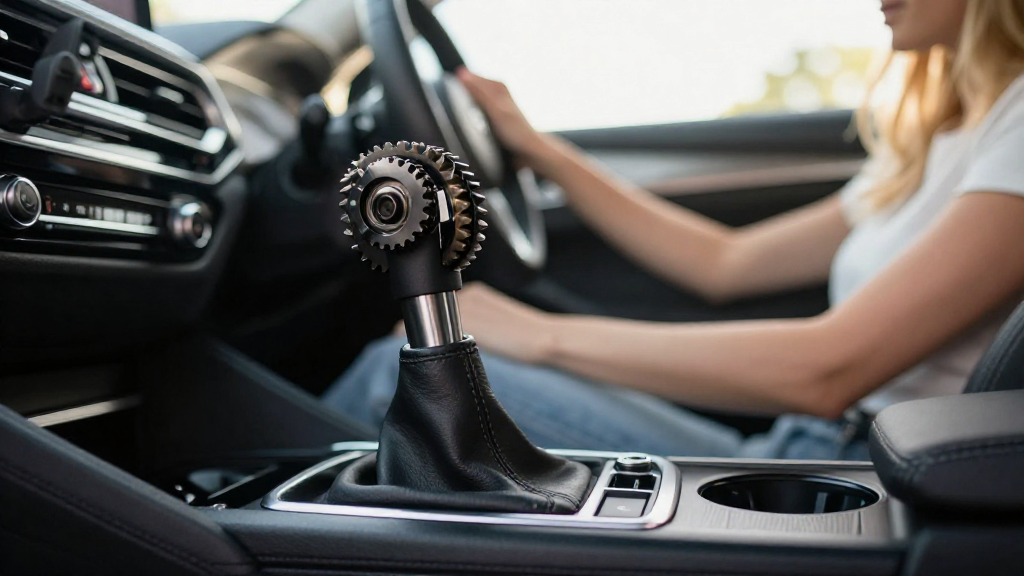
Manual transmission gears play a crucial role in the function of a vehicle. Understanding these gears can enhance your appreciation of driving and vehicle maintenance.
What Exactly Are Manual Transmission Gears?
Manual transmission gears are sets of gears that allow the driver to select different drive ratios, enabling the vehicle to operate efficiently under various conditions.
These gears are part of a manual transmission system, which relies on the driver to change gears using a clutch pedal and gear shifter.
How Do Manual Transmission Gears Work?
Manual transmission gears operate through a series of mechanical linkages that connect the driver’s input to the drivetrain of the vehicle.
When the driver presses the clutch pedal, it disengages the engine from the transmission. This action allows for the selection of a different gear using the gear shifter.
-
Clutch Disengagement:
– Depression of the clutch pedal disengages the engine. -
Gear Selection:
– The driver moves the gear shifter to select the desired gear (e.g., 1st, 2nd, 3rd, etc.). -
Clutch Engagement:
– Releasing the clutch pedal re-engages the engine to the transmission, allowing power to flow to the wheels.
Why Are Manual Transmission Gears Important?
Manual transmission gears are significant for several reasons:
- Driver Control: They provide the driver with complete control over the vehicle’s power delivery and acceleration.
- Fuel Efficiency: A well-shifted manual transmission can yield better fuel economy compared to automatic transmissions.
- Performance: Gears can be selected based on driving conditions, optimizing performance in various environments.
What Are the Different Types of Manual Transmission Gears?
Manual transmission gears can be categorized based on their arrangement and the total number of gears available. Here are some common types:
-
Synchronizer Gears:
– Used in most modern manual transmissions.
– Help match the speeds of the gears to prevent grinding when shifting. -
Non-Synchronizer Gears:
– Common in older vehicles.
– Require the driver to match engine speed with gear speed manually. -
Sliding Mesh Gears:
– Rare but used in some models.
– Involve sliding gears on a common shaft to engage with the output shaft.
What Are the Key Components of Manual Transmission Gears?
Manual transmission gears are part of a larger system composed of several key components:
- Input Shaft: Connects to the engine and transmits power.
- Output Shaft: Sends power to the driveshaft connected to the wheels.
- Gear Sets: Includes different sized gears for various driving speeds.
- Clutch: Engages and disengages the engine from the transmission.
How Do You Shift Manual Transmission Gears?
Shifting manual transmission gears is a skill that requires a good understanding of and familiarity with the vehicle. Here are the basic steps:
-
Start the Vehicle:
– Ensure the transmission is in neutral. -
Press the Clutch Pedal:
– Fully depress the clutch. -
Select Gears:
– Move the gear shifter to the desired gear. -
Release the Clutch:
– Gradually release the clutch while simultaneously applying gas for smooth acceleration. -
Repeat:
– Change gears as needed based on vehicle speed and power requirements.
What Are the Advantages of Manual Transmission Gears?
Manual transmission gears offer several driving advantages:
- Better Control: Drivers can shift gears based on real-time feedback from the vehicle.
- Cost-Effective: Generally, vehicles with manual transmission gears have a lower purchase price and less maintenance cost compared to automatics.
- Driving Experience: Many enthusiasts prefer manuals for the engaging driving experience and mastery involved.
What Are the Disadvantages of Manual Transmission Gears?
Although manual transmissions have their benefits, they also come with certain drawbacks:
- Learning Curve: New drivers may find manual transmissions challenging to master.
- Traffic Difficulties: Frequent shifting in stop-and-go traffic can be cumbersome.
- Resale Value: Some consumers prefer automatics, and this can affect resale value.
How to Maintain Manual Transmission Gears?
Proper maintenance of manual transmission gears can prolong their lifespan and improve performance. Consider these tips:
- Regular Fluid Changes: Manual transmission fluid should be changed according to your vehicle’s service schedule.
- Check for Leaks: Monitor the area under your vehicle for signs of transmission fluid leaks.
- Listen for Noises: Unusual sounds during shifting may indicate an issue with the transmission.
- Inspect the Clutch: A slipping clutch or difficult gear changes could signal the need for a clutch replacement.
What Should You Consider When Buying a Vehicle with Manual Transmission Gears?
When purchasing a vehicle equipped with manual transmission gears, keep the following factors in mind:
- Driving Experience: Ensure you feel comfortable driving a manual.
- Maintenance History: Check if the previous owner maintained the transmission properly.
- Type of Driving: Consider your typical driving conditions—city vs. highway.
- Resale Value: Be aware of the market demand for manual transmissions in your area.
Conclusion
Manual transmission gears are integral to the driving experience, offering control, engagement, and often, better fuel efficiency.
Understanding manual transmission gears can lead to better vehicle performance and enjoyable driving experiences.
If you’re considering a vehicle with manual transmission gears, prioritize comfort, maintenance history, and your personal driving style.
By understanding how these gears operate and their advantages and disadvantages, you can make informed choices about your vehicle and enjoy the advantages that come with driving a manual transmission vehicle.