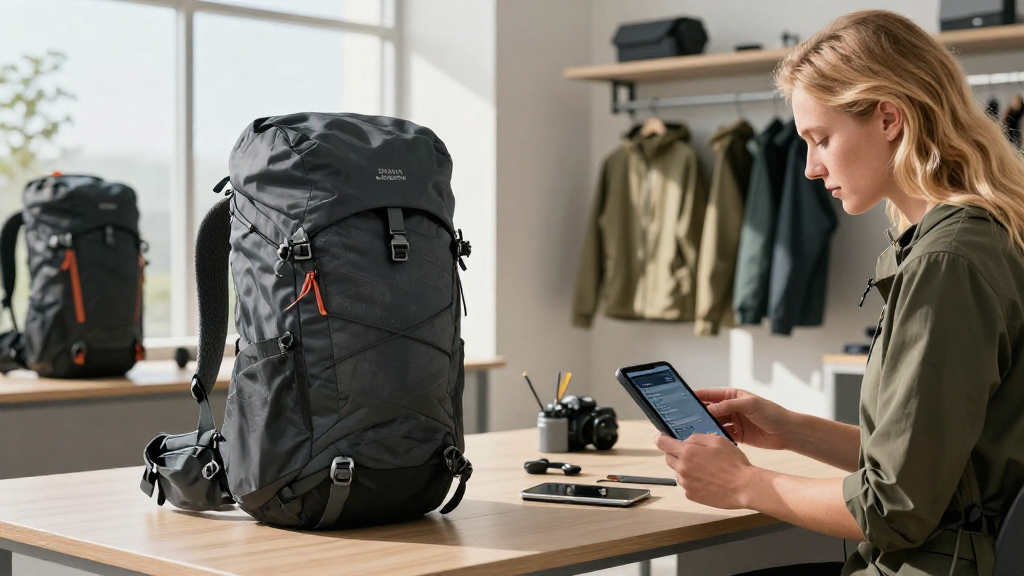
The gear industry trends are constantly evolving as technology advances and consumer preferences shift.
What Are the Current Gear Industry Trends?
In recent years, several key trends have emerged within the gear industry, encompassing everything from outdoor equipment to fitness gear.
Let’s dive into some of these latest gear industry trends that are shaping the market:
-
Sustainability
The focus on eco-friendly products is no longer just a passing trend.
Consumers are increasingly seeking sustainable alternatives in gear.
Brands are responding by using recycled materials, reducing emissions, and focusing on sustainable manufacturing processes. -
Smart Gear
The rise of technology has led to the development of smart gear, which integrates tech features into traditional products.
Examples include smart helmets with Bluetooth connectivity and fitness wearables that track crucial health metrics.
This trend is becoming increasingly popular, especially among fitness enthusiasts and tech-savvy consumers. -
Customization
Personalization in gear is now a priority for many brands.
Consumers want products tailored to their specific needs and preferences, leading to a demand for customizable options.
Brands are offering bespoke services, allowing individuals to choose colors, sizes, and features that suit their unique styles. -
Enhanced Durability
Gear needs to withstand wear and tear, leading to a demand for more robust products.
Manufacturers are investing in technology that enhances durability without sacrificing performance.
This trend is particularly prominent in outdoor gear, where conditions can be rough and unforgiving. -
Minimalist Design
Many consumers today embrace minimalism, leading to the popularity of streamlined gear designs.
Brands are developing products that focus on essential features while reducing excess weight and complexity.
This trend appeals particularly to outdoor and travel enthusiasts seeking cohesiveness in their gear collections.
How is Technology Affecting Gear Industry Trends?
Technological advancements are redefining the gear landscape.
Here’s how:
-
Integration of Wearables:
Wearable technology has surged, prompting the gear market to adapt by creating gear accessories that sync seamlessly with smartphones and applications.
For instance, many fitness gear brands now offer products that monitor heart rate, track activity levels, and even provide real-time feedback on performance. -
Augmented Reality (AR):
AR is changing the way consumers interact with gear before purchasing.
Some brands provide immersive experiences, allowing customers to visualize products in real-world settings.
For example, AR apps let users see how a backpack looks when worn or how a tent fits in their backyard. -
Advanced Manufacturing:
Innovations like 3D printing are revolutionizing production methods.
This allows brands to quickly prototype and create products tailored to consumer feedback.
Additionally, on-demand manufacturing reduces waste and the environmental footprint of production processes.
Who Are the Major Players in the Gear Industry?
With the rise in trends, numerous companies are making a significant impact in the gear industry. Key players include:
-
Nike and Adidas:
These sports giants are known for integrating the latest technology into their products while emphasizing sustainability. -
Patagonia:
Renowned for its focus on ethical consumerism, Patagonia leads the charge in sustainable outdoor gear. -
The North Face:
This brand is notable for its innovative designs and commitment to durability and weather resistance. -
Garmin:
A leader in the wearable technology market, Garmin’s products cater to both fitness enthusiasts and adventurers alike.
How Do Consumer Preferences Shape Gear Industry Trends?
Consumer preferences hold immense sway over the evolution of gear industry trends.
-
Health and Fitness Focus:
With rising health consciousness, more consumers are investing in wellness-related gear.
Products like yoga mats, resistance bands, and smart fitness trackers have seen a notable surge in popularity. -
Outdoor Activities:
The pandemic encouraged many to appreciate nature, driving demand for outdoor gear.
Hiking, camping, and cycling gear sales have surged as people seek unique outdoor experiences. -
Social Media Influence:
Platforms like Instagram and Pinterest are making visually appealing gear more desirable.
Many consumers are influenced by trends seen on social media, leading to an increase in branded gear. -
Experience over Possessions:
Today, consumers value experiences more than material objects, impacting the gear they choose to invest in.
This shift is reflected in the rise of adventure gear rentals and experiential products that offer unique adventures.
What’s Next for Gear Industry Trends?
The gear industry trends discussed will continue to evolve as new consumer demands arise.
Potential future trends may include:
-
Virtual Reality Experiences:
As virtual reality becomes more mainstream, consumers might be able to try gear in a simulated environment before purchase. -
Biodegradable Gear:
The push for sustainability may lead to entirely biodegradable products, revolutionizing how gear is manufactured and disposed of. -
AI-Driven Personalization:
Artificial intelligence will enable brands to offer highly tailored products and recommendations, enhancing the shopping experience.
Conclusion: Embracing the Latest Gear Industry Trends
In summary, the latest gear industry trends highlight a dynamic market driven by technology, sustainability, customization, and consumer preferences.
As both brands and consumers become more aware of their impact on the environment, the push towards sustainable and innovative gear will intensify.
Ultimately, staying updated on these trends will not only ensure brands remain competitive but will also help consumers make informed purchasing decisions that align with their values and lifestyles.
The gear industry is on the verge of remarkable transformation, driven by these emerging trends and consumer shifts.
Stay tuned, as the journey continues to unfold!