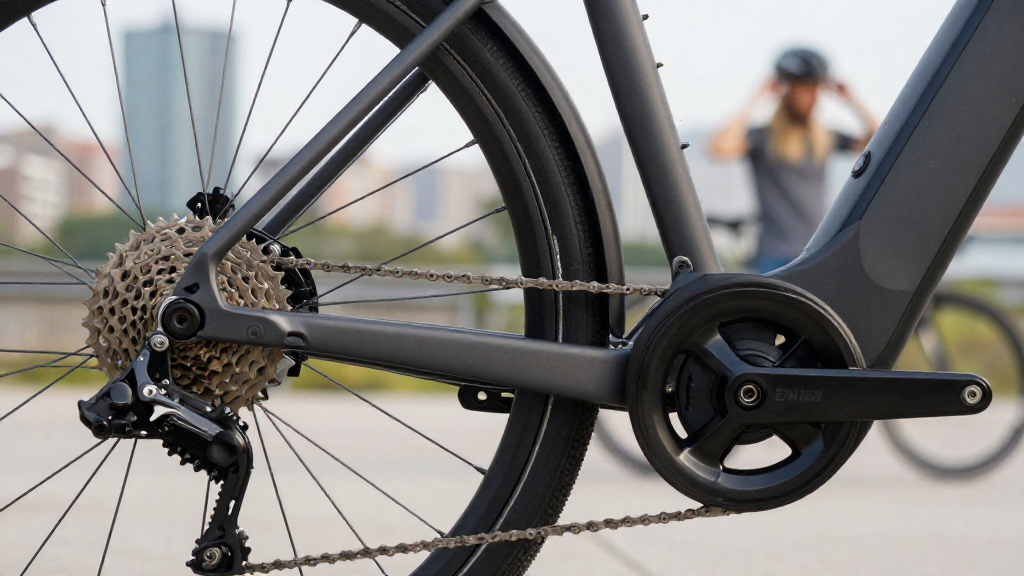
Gears in electric bikes play a critical role in enhancing performance and efficiency.
Understanding how they function can greatly improve your riding experience, whether you’re commuting through the city or tackling challenging trails.
What are Gears in Electric Bikes?
Gears in electric bikes are mechanical systems that help adjust the bike’s resistance and speed.
They work similarly to gears in traditional bicycles, but with the added complexity of electric assistance.
Why Use Gears in Electric Bikes?
-
Efficiency: Gears help optimize the use of the motor’s power, allowing riders to maintain speed with less effort.
-
Control: Riders can control their pedaling effort based on terrain, whether they’re going uphill, downhill, or riding on flat surfaces.
-
Range: By managing the bike’s speed and effort, gears contribute to better battery efficiency, extending the bike’s range.
How Do Gears in Electric Bikes Function?
Gears in electric bikes work through a system of cogs and chains.
When a rider pedals, the power is transferred from their legs to the drivetrain via the chain.
Here’s a brief breakdown of how this works:
-
Chainring: The gear attached to the pedals that drives the bike forward.
-
Rear Cogs: Series of gears on the rear wheel that adjust the bike’s resistance.
-
Derailleurs: Mechanisms that move the chain between different gears, allowing for quick shifts while riding.
What Types of Gears Are Used in Electric Bikes?
Different types of gearing systems can be found in electric bikes.
Each has its own advantages and disadvantages:
- Derailleur Gears:
-
Common in many standard bikes.
-
Offers a wide range of gear ratios, making it versatile for various terrains.
-
Generally lighter and easier to repair.
- Internal Hub Gears:
-
Enclosed within the rear wheel hub, providing protection from debris and damage.
-
Easier to maintain, as the system is protected from external elements.
-
Limited gear range compared to derailleur systems, but simpler for casual riders.
- Automatic Gears:
-
Ideal for those who prefer not to shift gears manually.
-
Integrates sensors that adjust the gears according to speed and terrain.
-
Offers convenience but can be less efficient in steep conditions.
How Do You Choose the Right Gears in Electric Bikes?
Choosing the right gears in electric bikes involves considering your specific needs and riding style.
Here are some factors to consider:
-
Terrain: If you live in a hilly area, opt for a bike with a wider range of gears.
-
Riding Style: For casual cruising, an internal hub gear might be sufficient; for performance biking, a derailleur system may be better.
-
Maintenance: Factor in how much time you’re willing to invest in upkeep. Internal hub gears require less maintenance but may limit your performance.
How Do Gears Affect Performance in Electric Bikes?
The performance of electric bikes can be significantly impacted by the gears they use.
- Speed Control:
-
Gears allow riders to easily adjust their speed based on conditions.
-
A lower gear keeps you energized on steep climbs, while a higher gear enables faster speeds on flat surfaces.
- Motor Efficiency:
- Proper gear selection maximizes the electric motor’s efficiency, enabling longer rides without draining the battery.
- Fatigue Management:
- Using the right gear can reduce muscle fatigue, especially on long rides, making your journey more enjoyable and manageable.
Can You Upgrade the Gears in Electric Bikes?
Yes, upgrading the gears in electric bikes is possible but should be approached with caution.
Consider the following:
-
Compatibility: Ensure the new gear components are compatible with your bike’s existing system.
-
Skill Level: If you are not comfortable with bike mechanics, seek professional help to avoid damaging your bike.
-
Performance Expectation: Upgrading gears can yield smoother shifting and improved performance; however, assess if the cost aligns with your usage.
What Maintenance is Required for Gears in Electric Bikes?
To keep your gears in electric bikes running smoothly, basic maintenance is crucial.
Here’s a maintenance checklist:
- Regular Cleaning:
-
Keep the chain and teeth of the gears clean from dirt and grime.
-
A clean drivetrain is more efficient and prolongs the lifespan of the parts.
- Lubrication:
-
Apply appropriate bike lubricant to the chain.
-
This reduces friction and wear on the gears.
- Inspect for Damage:
-
Regularly check for wear on the chain, derailleur, and cogs.
-
Signs of damage or wear could indicate it’s time for replacement.
- Adjustments:
-
Over time, the derailleur may need adjustments for optimal shifting performance.
-
Consider taking your bike to a professional for tune-ups to ensure everything functions correctly.
Conclusion: Understanding Gears in Electric Bikes Enhances Your Ride
Gears in electric bikes are not just mechanical components; they are essential to crafting an enjoyable and efficient riding experience.
From understanding their function and types to recognizing the importance of maintenance, your knowledge will empower your bike ride.
Whether you’re exploring the trails or cruising through urban landscapes, choosing the right gears in electric bikes will improve performance and allow you to fully enjoy your electric biking adventures.
With the right setup and maintenance, your electric bike can provide a seamless blend of human power and motorized assistance—enhancing every journey you take.