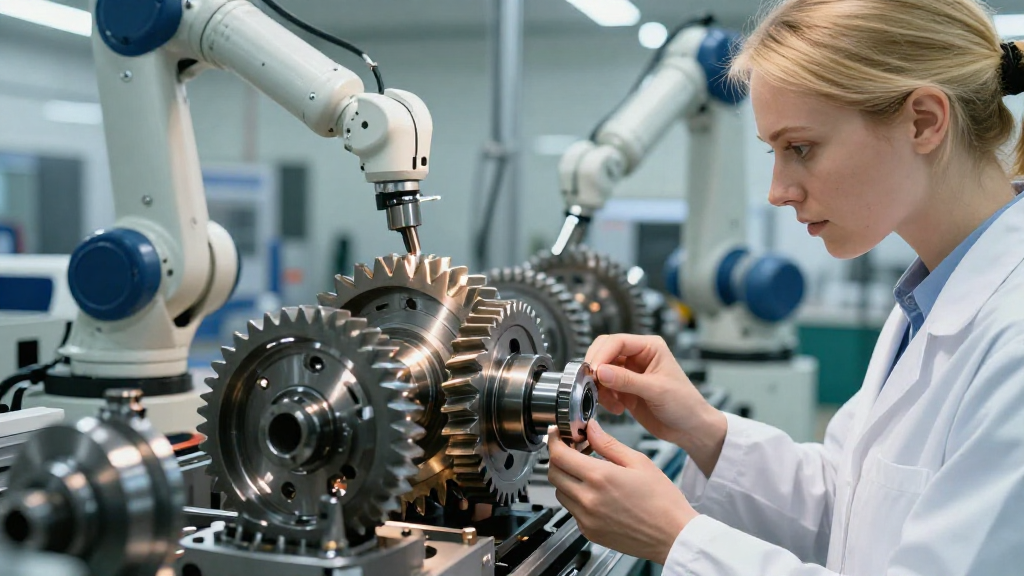
The mass production of gears is a complex process that combines engineering, precision, and technology to create essential components used in a wide range of machinery and vehicles.
What Is the Process of Mass Production of Gears?
The mass production of gears involves several steps, each meticulously designed to ensure efficiency and accuracy. Here’s an overview of the key stages in this production process:
-
Design and Engineering
– CAD Software: Modern gear production begins with computer-aided design (CAD) software.
– Prototyping: Engineers create prototypes to test gear performance and dimensions.
– Adjustments: Based on testing results, adjustments are made to optimize gear design for specific applications. -
Material Selection
– Types of Materials: Common materials for gears include steel, aluminum, and plastic.
– Material Properties: The choice depends on factors like strength, durability, and application suitability.
– Environmental Considerations: Eco-friendly materials are increasingly preferred for sustainability. -
Forging vs. Casting
– Forging: This involves shaping the gear under high pressure, resulting in stronger and more durable products.
– Casting: This alternative process includes pouring molten metal into a mold and is typically less expensive. -
Machining Techniques
– Turning: This process involves rotating the gear blank on a lathe while a cutter shapes it.
– Milling: This technique uses rotating cutting tools to carve intricate designs into the gear.
– Grinding: Precision gears often undergo grinding to achieve tight tolerances and smooth finishes. -
Heat Treatment
– Tempering: The gears are exposed to high temperatures to alter their physical properties, enhancing strength and durability.
– Quenching: Rapid cooling techniques can harden the material. -
Surface Treatment
– Coating: Gears may undergo coating treatments to reduce friction and wear.
– Finishing: Polishing and other finishing methods improve the gear’s efficiency and appearance. -
Quality Control
– Inspection: Every batch of gears is inspected for dimensional accuracy using advanced measurement tools.
– Testing: Functional testing ensures gears perform correctly under operational conditions.
Why Is Mass Production of Gears Important?
The mass production of gears is vital in many industries, from automotive to aerospace. This is due to the following reasons:
- Scalability: Mass production enables manufacturers to produce large quantities efficiently, meeting demand.
- Cost Efficiency: Economies of scale lead to lower production costs, making gears more affordable.
- Consistency: Automated processes ensure high levels of consistency and quality in the finished products.
Who Are the Key Players in Gear Manufacturing?
The mass production of gears includes various stakeholders:
-
Manufacturers
– Global companies that produce gears at scale.
– Local firms that specialize in niche markets or bespoke gear solutions. -
Suppliers
– Businesses supplying raw materials for gear production.
– Specialists providing machines and tools for manufacturing processes. -
Distributors
– Companies responsible for distributing finished gears to clients.
– E-commerce platforms that facilitate the sale of gears to a wider audience. -
Research Institutions
– Organizations conducting research to innovate new manufacturing techniques.
– Academic institutions offering training and education in gear design and production.
What Technologies Enhance the Mass Production of Gears?
Technology plays a crucial role in the mass production of gears. Here are some noteworthy advancements:
- 3D Printing: Additive manufacturing allows for rapid prototyping and small-batch custom gear production.
- CNC Machining: Computer Numerical Control (CNC) machines automate machining processes, leading to enhanced precision.
- Robotics: Automation through robotics increases production efficiency and reduces human error.
- Simulation Software: Advanced simulation tools help optimize gear designs before actual production begins, saving time and resources.
How Does the Mass Production of Gears Meet Industry Needs?
The mass production of gears is tailored to meet diverse industry needs by ensuring:
- Compliance with Standards: Gears are manufactured to meet industry-specific standards and regulations.
- Customization: Many manufacturers offer customizable solutions to meet unique client specifications.
- Innovation: Continuous research and development lead to innovative gear designs, enhancing performance in their respective applications.
What Are the Future Trends in Gear Production?
As industries evolve, the mass production of gears faces new challenges and opportunities:
- Sustainability: There’s a growing emphasis on environmentally friendly materials and processes.
- Smart Manufacturing: Industry 4.0 technologies, including IoT and AI, are increasingly integrated into gear production for enhanced efficiency.
- Global Supply Chains: Engaging in global supply chains can offer diverse resources and reduce material costs, but may also present challenges in logistics.
Conclusion
The mass production of gears is an indispensable aspect of modern manufacturing, affecting countless applications across various industries.
The processes involved, from design to quality control, ensure that gears are produced efficiently, affordably, and to high standards.
With advancements in technology and shifts in market demand, the future of gear production looks bright, promising innovation and sustainability as core principles to navigate the challenges ahead.
By understanding the complexities and essentials of the gear production process, businesses and engineers can better appreciate the intricate machinations that keep industries running smoothly. Whether in automotive, aerospace, or any other field, the efficient mass production of gears remains a pillar of modern engineering innovation.