Choosing astronomy gear for stargazing can feel overwhelming, especially when binoculars, refractors, and reflectors all promise different strengths. The right pick depends on how you observe, how much detail you want, and how portable your setup needs to be.
This roundup focuses on practical night-sky gear that balances brightness, magnification, ease of use, and value so you can spend more time observing and less time guessing.
Best 10 Astronomy Gear for Stargazing Picks for 2026
Giant Night-Sky Viewer
Celestron SkyMaster 15x70 Astronomy Binoculars

- 15x magnification with 70mm objectives
- BaK-4 prisms and multi-coated optics
- Tripod adapter and water-resistant body
Best For: Stargazers who want bright, tripod-supported binocular viewing
Portable Starter Scope
80mm Refractor Telescope with Backpack

- 80mm aperture with fully coated optics
- Backpack, tripod, phone adapter included
- Simple setup with 30x and 66x eyepieces
Best For: Beginners who want a portable all-in-one telescope kit
Wide-Field Beginner Binoculars

- 7x magnification with 50mm objectives
- Wide 6.6° field of view for scanning
- Tripod-adaptable and beginner friendly
Best For: New stargazers who want an affordable wide-field binocular
Deep-Sky Tracking Scope
150EQ Newtonian Reflector Telescope
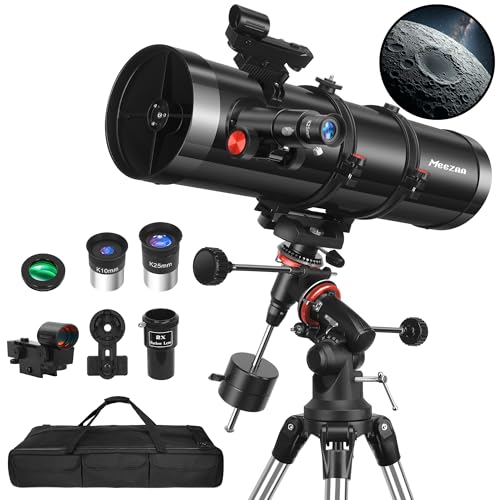
- 150mm aperture for strong light gathering
- Equatorial mount with slow-motion controls
- Includes Barlow, filters, and carry bag
Best For: Hobbyists who want a larger telescope with manual tracking
Wide-Field Stargazing Binoculars
SVBONY SV407 2.1x42 Wide-Angle Binoculars
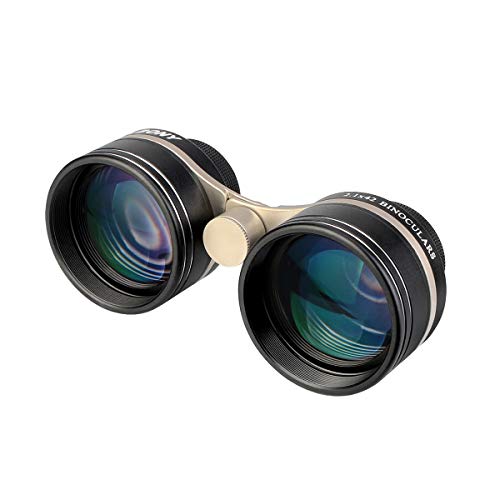
- 26° field of view for sweeping star fields
- 2.1x low power keeps views bright and steady
- Compact, waterproof design with FMC optics
Best For: Relaxed constellation viewing and portable wide-sky scanning
Starter Telescope Kit
MEEZAA 90mm 800mm Refractor Telescope

- 90mm aperture with fully multi-coated optics
- Includes tripod, phone adapter, and carry bag
- 32x-240x range with 3x Barlow lens
Best For: Beginners who want a complete telescope kit for backyard stargazing
High-Power Astronomy Binoculars
Celestron SkyMaster 25x70 Binoculars

- 25x power with 70mm objective lenses
- BaK-4 prisms support brighter low-light views
- Tripod adapter included for stable observing
Best For: Users who want powerful binocular astronomy with tripod support
Classic Giant-Aperture Choice
Celestron SkyMaster 20x80 Binoculars

- 20x power with large 80mm objective lenses
- BaK-4 prisms and multi-coated optics for brighter views
- Tripod adaptable with carry case and accessories included
Best For: Buyers who want a well-known giant astronomy binocular with tripod support
Budget-Friendly Giant Binoculars
ESSLNB 20x80 Astronomy Binoculars

- 20x power with an 80mm objective lens
- Fully multi-coated BAK4 optics for clearer views
- Built-in tripod adapter and carrying bag included
Best For: Stargazers who want a large binocular with tripod support and waterproofing
Giant Night-Sky Viewer – Celestron SkyMaster 15×70 Astronomy Binoculars
If you want astronomy gear for stargazing that gives you a brighter, more immersive view than small binoculars, the Celestron SkyMaster 15×70 is built for the job. Its 70mm objectives and 15x magnification are aimed at long-range night viewing, and the BaK-4 prisms help deliver sharper, brighter images in low light.
Best For: Stargazers who want a powerful, tripod-ready binocular for deep-sky viewing and scanning the night sky.
Pros:
- 15x magnification with large 70mm objective lenses for strong light gathering
- BaK-4 prisms and multi-coated optics for brighter, more detailed night views
- Tripod adapter included for steadier extended viewing sessions
- Rubber-armored, water-resistant housing for added durability
Cons:
- Best used on a tripod due to its size and weight
- More of a specialty astronomy binocular than a casual handheld option
This is a practical pick if you want binocular-style sky viewing with more reach and brightness than standard compact optics. It stands out most when stability matters and you plan to spend real time observing.
Portable Starter Scope – 80mm Refractor Telescope with Backpack
This telescope is a straightforward piece of astronomy gear for stargazing if you want a portable refractor that is easy to set up and carry. The 80mm aperture and 600mm focal length are designed to gather plenty of light, while the included phone adapter and moon filter make it more flexible for casual lunar and planetary viewing.
Best For: Beginners, families, and casual observers who want a portable, easy-to-use telescope kit.
Pros:
- 80mm aperture with fully coated optics for brighter, clearer images
- Includes backpack, adjustable tripod, phone adapter, and moon filter
- Easy to assemble with no tools required
- Two eyepieces provide 30x and 66x magnification options
Cons:
- Higher magnification is limited compared with larger reflector scopes
- Best suited to simple observing rather than advanced deep-sky work
If convenience matters most, this package covers the basics well and keeps setup simple. It is a sensible choice for first-time stargazers who want a travel-friendly telescope bundle.
Wide-Field Beginner Binoculars – Celestron Cometron 7×50
For astronomy gear for stargazing on a budget, the Celestron Cometron 7×50 focuses on ease of use and a wide view of the sky. Its 7x magnification, 50mm objectives, and wide 6.6° field of view make it a good match for scanning constellations, comets, and larger star fields without a complicated setup.
Best For: Beginners who want an affordable, wide-field binocular for casual night-sky viewing.
Pros:
- 7x magnification is easy to hold and use for sky scanning
- 50mm objective lenses and multi-coated optics improve brightness and contrast
- Wide 6.6° field of view is ideal for constellations and comet watching
- Tripod-adaptable for steadier viewing sessions
Cons:
- Tripod adapter is not included
- Lower magnification than larger astronomy binoculars
This model is a strong entry point if you want simple optics that are friendly for first-time observers. It leans toward comfort and field width rather than raw reach, which is often the right tradeoff for beginners.
Deep-Sky Tracking Scope – 150EQ Newtonian Reflector Telescope
If you are shopping for astronomy gear for stargazing with more reach and control, this 150EQ Newtonian reflector is built around a large 150mm aperture and an equatorial mount. The setup is aimed at brighter views of the Moon, planets, and deep-sky targets, while the slow-motion controls help you follow objects more smoothly as they move across the sky.
Best For: Beginners and hobbyists who want a larger-aperture telescope with manual tracking and full accessories.
Pros:
- Large 150mm aperture for stronger light gathering and brighter images
- Equatorial mount with slow-motion control knobs for smoother tracking
- Includes two eyepieces, 2X Barlow lens, moon filter, and phone adapter
- Heavy-duty tripod and carry bag make storage and transport easier
Cons:
- Larger mount and optics are less portable than binocular options
- Equatorial setup may take more time for beginners to learn
This is the most capability-focused option in the group, especially if you want a more traditional telescope experience. It offers a strong mix of aperture, accessories, and tracking support for growing into the hobby.
Wide-Field Stargazing Binoculars – SVBONY SV407 2.1×42 Wide-Angle Binoculars
If you want astronomy gear for stargazing that helps you take in big portions of the sky at once, the SVBONY SV407 is built for exactly that job. Its 2.1x magnification and 26° field of view are aimed at showing entire constellations, star fields, and brighter views than the naked eye, while the compact body makes it easy to carry out to a dark-sky spot.
Best For: Casual constellation viewing, wide-field sweeping, and portable low-power stargazing.
Pros:
- 26° wide-angle view makes it easier to frame complete constellations and star fields.
- 2.1x low magnification gives a brighter, steadier look for scanning the sky.
- Fully multi-coated optics and FMC objective lens are designed for clearer, sharper views.
- Compact, lightweight build with waterproofing and included carrying case.
Cons:
- Low magnification is not meant for detailed lunar or planetary close-ups.
- Eyepiece focusing and 1 m minimum focus distance may take a little getting used to.
The SV407 stands out when your priority is seeing more sky, not more power. For beginners or anyone who likes relaxed, panoramic stargazing, it offers a simple way to make constellations easier to follow.
Starter Telescope Kit – MEEZAA 90mm 800mm Refractor Telescope
For astronomy gear for stargazing that leans toward a more traditional telescope experience, this MEEZAA refractor combines a 90mm aperture with an 800mm focal length. The included eyepieces, 3x Barlow lens, tripod, and phone adapter make it a practical starter setup for backyard sessions, and the fully multi-coated optics are intended to improve brightness and clarity.
Best For: Astronomy beginners who want a full-featured starter telescope for the Moon, skywatching, and casual astrophotography.
Pros:
- 90mm aperture gathers more light for brighter views.
- Includes 10mm and 25mm eyepieces plus a 3x Barlow lens for 32x-240x use.
- Phone adapter and carry bag make it easy to transport and share images.
- Quick assembly and adjustable stainless steel tripod support simple setup.
Cons:
- High magnification depends on conditions and may be less useful on shaky nights.
- Altazimuth mount is straightforward, but not as advanced as an equatorial mount.
This is a solid all-in-one entry point if you want a real telescope kit rather than just a pair of binoculars. It should appeal most to users who value included accessories and easy setup over specialized performance.
High-Power Astronomy Binoculars – Celestron SkyMaster 25×70 Binoculars
If you want astronomy gear for stargazing with more reach than compact binoculars, the Celestron SkyMaster 25×70 is designed for long-range viewing and night-sky use. Its 25x magnification, 70mm objective lenses, and BaK-4 prisms are aimed at producing brighter, more detailed views, especially when you mount it on a tripod for steadier observation.
Best For: Stargazers who want powerful binocular views and plan to use a tripod for support.
Pros:
- 25x magnification provides strong reach for astronomical or long-distance viewing.
- 70mm objective lenses and BaK-4 prisms are built for brighter low-light images.
- Tripod adapter is included for more stable viewing.
- Rubber-armored, water-resistant body adds durability for outdoor use.
Cons:
- High magnification and size make a tripod the practical way to use them.
- They are bulkier than compact stargazing binoculars.
The SkyMaster is the most power-focused option here, making it a better fit for users who want a binocular format but need more detail and brightness. It is especially appealing if you already have, or are willing to use, a tripod.
High-Magnification Tripod Pick – 18×70 Professional Astronomy Binoculars
If you’re shopping for astronomy gear for stargazing, these 18×70 binoculars are built for users who want a more immersive, high-detail view without jumping straight to a telescope. The large 70mm objective lens and BAK-4, fully multi-coated optics are aimed at brighter low-light performance, while the included tripod adapter helps keep the image steady at high power.
Best For: Stargazers who want a powerful, tripod-ready binocular setup for moon viewing, star clusters, and other stationary night-sky observing.
Pros:
- 18x magnification with a large 70mm objective lens for strong light gathering
- BAK-4 prisms and FMC lenses support brighter, higher-contrast low-light viewing
- Includes a tripod adapter and built-in tripod thread for steadier observation
- IPX7 waterproof and fogproof construction for tougher outdoor use
Cons:
- At 4.7 pounds, these are heavy for handheld use
- High magnification makes a tripod the practical way to use them well
Overall, this is a solid choice if you want astronomy gear for stargazing that prioritizes brightness, stability, and accessories. The phone adapter also makes it easier to capture what you see, but the size and weight make this a better stationary option than a grab-and-go pair.
Classic Giant-Aperture Choice – Celestron SkyMaster 20×80 Binoculars
For astronomy gear for stargazing, the Celestron SkyMaster 20×80 is a straightforward giant-binocular option with a long track record. Its 80mm objectives and 20x magnification are designed for bright, detailed views in dim conditions, and the built-in tripod adapter helps keep the image usable at this power.
Best For: Buyers who want a well-known giant astronomy binocular with a tripod-friendly design and strong low-light performance.
Pros:
- 20x magnification with 80mm objective lenses for bright deep-sky viewing
- BaK-4 prisms and multi-coated optics support better light throughput
- Built-in 1/4-inch-20 adapter works with most photo tripods
- Includes carry case, lens cloth, strap, caps, and rainguard
Cons:
- Most users will need a tripod; handheld viewing is not the main use case
- At 4.8 pounds, it is not a lightweight travel binocular
This is a dependable, no-frills option if you want a classic astronomy binocular for steady night-sky observing. The lifetime warranty and included support are also useful if you prefer to buy from an established optics brand.
Budget-Friendly Giant Binoculars – ESSLNB 20×80 Astronomy Binoculars
If you want astronomy gear for stargazing with a giant-aperture feel, these ESSLNB 20×80 binoculars deliver the basics in a practical package. They combine 20x magnification, an 80mm objective lens, and fully multi-coated BAK4 optics, plus a built-in tripod mount for steadier night viewing.
Best For: Stargazers who want a large binocular with tripod support, waterproofing, and a carrying bag at a more approachable feature set.
Pros:
- 20x magnification and 80mm lenses for bright, long-range viewing
- Fully multi-coated optics and BAK4 prisms help improve clarity and contrast
- Built-in tripod adapter supports shake-free observing
- Includes a carrying bag and waterproof housing for outdoor use
Cons:
- At about 5.1 pounds, these are still heavy for extended handheld use
- Like most 20x binoculars, they are best used on a tripod
Overall, this model is a sensible pick if you want a large astronomy binocular without extra complexity. It covers the essentials for night-sky observing, but the weight means the tripod adapter is more of a necessity than a bonus.
How We Picked the Best Astronomy Gear for Stargazing
We focused on Astronomy Gear for Stargazing that offers the best mix of optical quality, usability, and value. Priority went to models with useful aperture, stable handling, and features that matter in real observing sessions, such as multi-coated optics, tripod compatibility, and comfortable eye relief.
We also considered beginner-friendliness, portability, and whether the gear is better suited for scanning star fields, viewing the Moon, or reaching deeper-sky targets.
Quick Comparison
Binoculars are the easiest way to start: they are fast to set up, wide in view, and ideal for constellations, star clusters, and sweeping the Milky Way. Telescopes offer more magnification and detail, making them better for lunar features, planets, and smaller deep-sky targets. Larger apertures gather more light, but they usually need a tripod and more setup time.
Key Buying Factors for Astronomy Gear for Stargazing
Aperture and Brightness
Aperture is one of the most important specs. Bigger objectives or mirrors collect more light, which improves visibility on faint objects. For binoculars, 70mm to 80mm is a strong range for night-sky use. For telescopes, a larger objective or mirror can reveal more detail, but only if the mount is stable enough to support it.
Magnification and Field of View
Higher magnification is not always better. Wide-field optics are often easier for beginners because they make it simpler to locate objects and track star patterns. Lower-power binoculars are excellent for constellations and large clusters, while higher-power options suit more detailed inspection of the Moon and planets.
Mounting and Stability
Shaky viewing can ruin a good optical setup. Heavier Astronomy Gear for Stargazing often benefits from a tripod or a more stable mount. If you plan to hand-hold your gear, choose something lighter and easier to balance. For telescopes, mount quality can matter as much as the optics themselves.
Portability and Ease of Use
If you want spontaneous observing sessions, portability matters. Binoculars are quick and convenient, while larger telescopes are better for planned sessions. Beginners should look for simple controls, easy alignment, and a setup process that will not discourage regular use.
Who Should Buy Which Astronomy Gear for Stargazing?
If you want the easiest entry point, choose binoculars with a wide field of view and decent aperture. If you want more detail on the Moon and planets, a refractor or reflector telescope is the better path. If your priority is deep-sky viewing, consider larger-aperture binoculars or a telescope with a sturdy mount and tripod support.
For most buyers, the best choice is the one that matches your observing habits. Casual stargazers usually do best with simple, portable optics, while dedicated hobbyists will appreciate the added reach and detail of a more capable telescope setup.