Cold-weather backpacking demands gear that manages heat, blocks wind, and stays compact enough to carry comfortably. The right setup can make the difference between a miserable night and a safe, restful trip.
This roundup focuses on practical backpacking gear for cold weather, from sleep insulation and thermal layers to emergency warmth items that earn their place in your pack.
Best 10 Backpacking Gear for Cold Weather Picks for 2026
Roomy 4-Season Sleep Sack
Cool Weather Backpacking Sleeping Bag

- 32 to 43°F comfort rating
- Waterproof, tear-resistant polyester shell
- Includes compression sack and is machine washable
Best For: Roomy cool-weather camping and backpacking
Ultralight Warmth Layer

- 16 oz and packs into its own pocket
- 3M Thinsulate insulation with windproof nylon
- Can be used as quilt, poncho, or temp sleeping bag
Best For: Lightweight layering on cold-weather trips
Winter Hand Protection
Touchscreen Winter Hiking Gloves

- Soft plush lining for warmth
- Waterproof and windproof shell
- Touchscreen fingers and anti-slip palms
Best For: Cold-weather hiking and everyday winter use
Convertible Puffy Quilt
Packable Cold Weather Camping Blanket
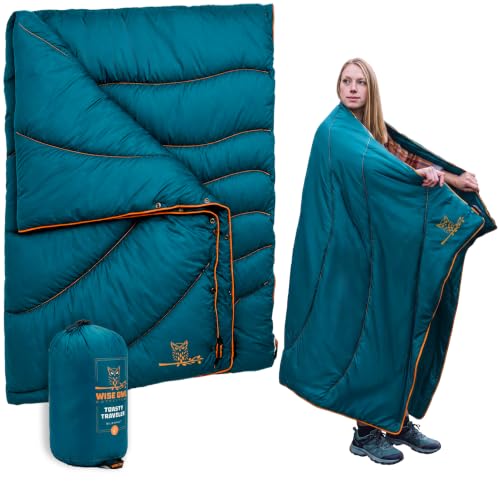
- Synthetic down-like insulation with water-resistant shell
- Quick-snap clasps and tie-down loops
- Rolls to a compact 17 x 6.5-inch size
Best For: Versatile warmth for backpacking and camp use
Best for Easy Setup
Reflective Camping Mat Insulated Sleeping Pad

- Reflective aluminum foil helps reduce ground heat loss.
- Waterproof, foldable, and easy to carry.
- Very light at about 160 g for backpacking use.
Best For: Cold-weather hikers needing a lightweight insulation layer.
Heat-Boost Liner
Fleece Sleeping Bag Liner for Cold Weather
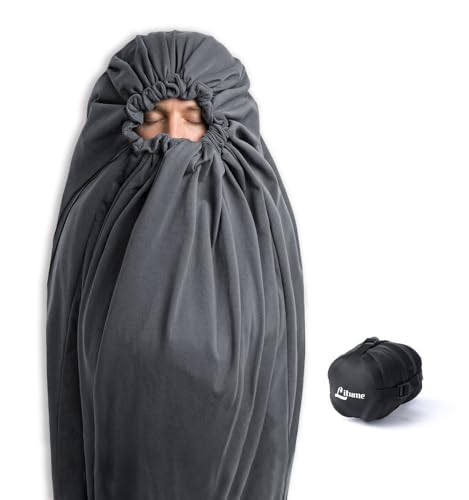
- Adds up to 27°F / 15°C to your sleeping bag.
- Fleece mummy design with drawstring hood for warmth.
- Compressible and includes a travel sack.
Best For: Campers who want an easy warmth boost inside a sleeping bag.
High-Insulation Pad
Hikenture 6.2 R-Value Sleeping Pad

- ASTM-tested R-value of 6.2 for strong insulation.
- 3.2-inch thickness adds comfort and support.
- Lightweight at 1.53 lb with pump sack included.
Best For: Backpackers wanting high insulation with extra cushioning.
Down Booties
Ultralight Warm Socks for Cold Camp Nights

- Goose down fill for sleeping warmth
- Only about 110g with storage pouch
- Not meant for walking around camp
Best For: Sleeping warmth on cold backpacking nights
Emergency Bivy
Mylar Thermal Sleeping Bag for Extreme Cold

- Made for extreme cold and winter emergencies
- Ultralight mylar foil with full-body coverage
- Best as backup gear, not a comfort sleep bag
Best For: Emergency warmth backup in harsh weather
Naturehike Sleeping Bag
Lightweight Envelope Bag for Cold-Weather Travel

- Weighs 0.76 kg and packs down small
- Roomy envelope shape for easier sleeping
- Better for moderate cold than deep winter
Best For: Light backpacking and travel in cool conditions
Roomy 4-Season Sleep Sack – Cool Weather Backpacking Sleeping Bag
For backpacking gear for cold weather, this roomy sleeping bag is a practical pick if you want a simple, weather-ready layer for 3 to 4 season trips. It’s rated for cool-to-cold conditions, uses a waterproof polyester shell, and packs down with the included compression sack for easier carry.
Best For: Campers, hikers, and teens or adults who want a roomy sleep system for cool nights and shoulder-season trips.
Pros:
- Comfort range of 32 to 43°F, with an extreme limit listed at 27 to 60°F
- Generous 86.6 x 31.5-inch rectangular fit for adults, teens, and kids
- Waterproof, tear-resistant polyester shell designed for rugged outdoor use
- Two-way zipper with bottom venting helps regulate warmth
Cons:
- At 5.3 lb, it is not the lightest option for ultralight packers
- Rectangular shape may feel less thermally efficient than a mummy bag in colder conditions
This is a straightforward choice if you value space, weather protection, and easy maintenance over shaving every ounce. The machine-washable build and included compression sack make it a versatile pick for camping, hiking, and backup use.
Ultralight Warmth Layer – 3M Thinsulate Camping Blanket
If you want backpacking gear for cold weather that adds warmth without much bulk, this ultralight camping blanket is a flexible layer to consider. It uses 3M Thinsulate insulation, a windproof 20D nylon shell, and packs into its own attached pocket for easy stowing.
Best For: Backpackers and travelers who want a lightweight warmth layer that can also work as a poncho or spare sleep cover.
Pros:
- Ultralight at 16 oz with a compact packed size
- 3M Thinsulate insulation is warm yet thin and lets moisture escape
- Multifunctional design can be used as a quilt, poncho, shawl, or temporary sleeping bag
- Attached carry bag reduces the chance of misplacing storage
Cons:
- Blanket style offers less enclosure than a dedicated sleeping bag
- Best for layering or moderate cold rather than maximum winter coverage
This is a strong option when pack size and versatility matter more than full bag-style coverage. It works well as an extra warmth piece around camp, on the trail, or in travel situations where every ounce counts.
Winter Hand Protection – Touchscreen Winter Hiking Gloves
For backpacking gear for cold weather, gloves are an easy upgrade that can make a big difference on exposed hikes and camps. These winter gloves use a soft plush lining, waterproof and windproof materials, and touchscreen-compatible fingers so you can stay warm without constantly removing them.
Best For: Hikers, drivers, and winter adventurers who need warm hands with touchscreen convenience and reliable grip.
Pros:
- Soft plush lining helps lock in body heat
- Waterproof and windproof shell helps block moisture and cold air
- Anti-slip palm patterns improve grip on poles, tools, and steering wheels
- Touchscreen-compatible fingers support phone use in the cold
Cons:
- Not an insulation-heavy item for full-body warmth
- Best suited to hand protection rather than extreme winter expedition use
These are a practical cold-weather add-on if you need dexterity as much as warmth. They fit well into a layered winter kit for hiking, commuting, camping, and other outdoor movement.
Convertible Puffy Quilt – Packable Cold Weather Camping Blanket
This packable quilt is a smart piece of backpacking gear for cold weather when you want warmth, flexibility, and a compact carry profile. It uses synthetic down-like insulation, a water-resistant nylon shell, and quick-snap clasps so you can wear it, wrap it, or use it as a sleeping quilt.
Best For: Backpackers and campers who want a versatile insulated blanket that can also function as a poncho or top quilt.
Pros:
- Unfolds to 6.5 x 4.5 feet for full-body coverage
- Water-resistant ripstop nylon shell helps handle changing weather
- Quick-snap clasps and tie-down loops add versatility for poncho or quilt use
- Compact 17 x 6.5-inch roll makes it easy to pack
Cons:
- At 29.7 oz, it is compact but not the lightest option in the group
- Blanket/quilt format may not seal out drafts as fully as a sleeping bag
This is a versatile choice for trips where you want one item that can do several jobs around camp. It offers a good balance of warmth, portability, and adaptability for backpacking and travel.
Best for Easy Setup – Reflective Camping Mat Insulated Sleeping Pad
For backpacking gear for cold weather, this reflective sleeping mat is a simple way to reduce heat loss from the ground. Its double-sided aluminum foil and EPE foam construction are made to insulate under a sleeping bag, while the waterproof surface and very low weight make it easy to pack for camp, hike, or picnic use.
Best For: Hikers and campers who want a very light ground-insulation layer for cold nights.
Pros:
- Double-sided aluminum foil helps reflect heat back toward the body.
- Waterproof and easy to clean for use on damp ground.
- Very lightweight at about 160 g, so it packs easily.
- Large 78.7″ x 59″ size can serve as a tent floor or blanket.
Cons:
- Only about 0.20 cm thick, so it is more of an insulation layer than a cushioned pad.
- Best as a supplemental warm layer rather than a standalone sleep system.
This mat makes sense if your priority is blocking cold from below without adding much pack weight. It is especially useful as an add-on under a sleeping setup, where its reflective build and foldable design offer practical cold-weather value.
Heat-Boost Liner – Fleece Sleeping Bag Liner for Cold Weather
If you are comparing backpacking gear for cold weather, this fleece sleeping bag liner is a practical way to add warmth without replacing your main bag. The mummy shape, drawstring hood, and soft fleece fabric are designed to trap heat, and the brand says it can add up to 27°F / 15°C to your sleeping bag.
Best For: Campers and travelers who want extra warmth inside an existing sleeping bag.
Pros:
- Can add up to 27°F / 15°C of warmth to a sleeping bag.
- Soft fleece construction is designed for comfort and flexibility.
- Drawstring hood helps lock in heat.
- Lightweight and compressible, with a travel sack included.
Cons:
- No zipper design may feel less convenient for some users.
- At 16.6 oz / 470 g, it adds noticeable weight compared with simpler liners.
This liner is a strong choice when you want a warmer sleep setup without switching to a heavier winter bag. It is also machine washable, which makes it easy to keep in rotation for camping, hostel stays, and winter travel.
High-Insulation Pad – Hikenture 6.2 R-Value Sleeping Pad
For backpacking gear for cold weather, this insulated sleeping pad is built around high thermal performance. With an ASTM-tested R-value of 6.2, aluminum film construction, and 3.2 inches of thickness, it is designed to reflect heat and provide a more comfortable barrier between you and the ground on cold nights.
Best For: Backpackers who want strong insulation and more cushioning in one pad.
Pros:
- ASTM 6.2 R-value offers excellent cold-weather insulation.
- 3.2-inch thickness provides substantial support and comfort.
- Weighs only 1.53 lb, keeping it relatively packable.
- Includes a pump sack and repair patches for convenience.
Cons:
- Requires inflation, so setup takes more effort than a simple foam mat.
- Bulk is still greater than ultralight minimalist pads.
This pad is the most sleep-focused option here if you want genuine cold resistance plus real cushioning. Its high R-value and compact carry setup make it a solid pick for colder trips where comfort and warmth both matter.
Down Booties – Ultralight Warm Socks for Cold Camp Nights
If your backpacking gear for cold weather list is missing a way to keep your feet warm at night, these down booties are a simple fix. They’re designed for sleeping in a tent, sleeping bag, RV, or even at home, with goose down insulation, a soft nylon shell, and a lightweight build that won’t weigh down your pack.
Best For: Backpackers and campers who want compact, insulated foot warmth for sleeping in cool-to-cold conditions.
Pros:
- Goose down fill for strong warmth in the 0-15°C / 32-59°F comfort range
- Very light at about 110g and includes a drawstring storage pouch
- Elastic ankle band helps block cold wind from getting in
- Easy on/off design for camp or sleeping use
Cons:
- Not intended for walking around camp
- Warmth is best suited to sleeping and resting, not active wear
- Single-purpose item compared with a full sock or boot layer
For cold nights when your feet are the first thing to get chilled, this is a focused, packable comfort item rather than a do-everything layer. It makes sense if you want a small upgrade that improves sleep quality without taking much space.
Emergency Bivy – Mylar Thermal Sleeping Bag for Extreme Cold
When you’re building backpacking gear for cold weather, an emergency bivy is the kind of lightweight backup that can matter most if conditions turn worse than expected. This mylar thermal sleeping bag is made for emergency warmth, with full-body coverage, sealed seams, and a compact design that fits into a bug-out or trail kit.
Best For: Backpackers who want an ultralight emergency warmth layer for severe weather or unexpected cold.
Pros:
- Designed for extreme cold weather and winter emergency use
- 84″ x 36″ size offers full-body coverage for adults or children
- Ultralight mylar foil build is easy to stash in a pack
- Includes drawstring pouch for compact storage
Cons:
- Emergency-focused design is not a comfortable primary sleeping bag
- Mylar construction is more about heat retention than sleeping comfort
- Best used as backup gear, not a daily camp sleep system
This is a practical add-on if you want a small, low-weight safety item for winter hiking or backcountry travel. It’s less about comfort and more about having a serious cold-weather contingency in your kit.
Naturehike Sleeping Bag – Lightweight Envelope Bag for Cold-Weather Travel
If you want backpacking gear for cold weather that stays light and compact, this Naturehike envelope sleeping bag is built around portability. It weighs 0.76 kg, compresses small with the included sack, and is meant for hiking, traveling, and camping where pack space matters.
Best For: Backpackers and travelers who want a lightweight, roomy sleeping bag for moderate cold.
Pros:
- Lightweight at 0.76 kg / 1.68 lbs for easier packing
- Compact compressed size with included compression sack
- Roomy envelope shape at 80.7″ x 33.5″ for easier movement
- Durable construction with double-reinforced seams and tested zippers
Cons:
- Temperature rating is 59°F/32°F, so it’s better for moderate cold than deep winter
- Not the warmest option if you’re expecting severe sub-freezing conditions
- Best warmth may depend on pairing with a sleeping pad
This is a sensible pick if you want a packable sleeping bag that balances comfort and weight. It’s especially appealing for backpackers who value a roomier shape and don’t need a heavy-duty winter bag.
How We Picked the Best Backpacking Gear for Cold Weather
We prioritized cold-weather performance, packability, weight, durability, and real-world versatility. For Backpacking Gear for Cold Weather, the best items do more than add warmth: they help retain heat efficiently without taking up too much space or adding unnecessary bulk.
Quick Comparison
Think in layers. Sleeping bags and insulated pads do the heavy lifting overnight, while blankets, liners, gloves, booties, and thermal bivy options fill important gaps in comfort, safety, and emergency readiness. If you are trying to balance warmth and weight, the biggest gains usually come from improving sleep insulation first.
Key Buying Factors for Backpacking Gear for Cold Weather
Temperature Rating and Real Use
Check the rating carefully and treat it as a starting point, not a guarantee. If you sleep cold or expect damp conditions, choose gear with extra margin instead of cutting it close.
Insulation Type and Heat Retention
Down is usually lighter and more compressible, while synthetic insulation tends to handle moisture better. For pads and blankets, reflectivity, loft, and coverage matter as much as material.
Packability and Weight
Every ounce matters on a cold trip, but the warmest item is not always the best if it crowds out essentials. Look for compact designs that still provide enough coverage for your sleeping system.
Moisture Resistance and Wind Protection
Cold plus damp is a problem. Water-resistant shells, windproof gloves, and emergency bivy layers can help preserve warmth when conditions change quickly.
Fit, Coverage, and Comfort
Better fit usually means less heat loss. Sleeping bag liners, booties, and quilts should seal well enough to reduce drafts without feeling restrictive.
Who Should Buy Which Backpacking Gear for Cold Weather?
Ultralight hikers who count every ounce should favor compact insulation like a lightweight sleeping bag, insulated pad, or packable quilt. Car campers and slower-paced backpackers may prefer warmer, roomier options with a little more comfort.
If you run cold, prioritize sleep system upgrades first: pad, bag, and liner. If you want backup protection or winter safety coverage, add a thermal blanket or emergency bivy. For active cold-weather use outside camp, gloves and booties are smart comfort add-ons that can meaningfully improve the experience.