Desert backpacking demands gear that handles intense sun, dry air, big temperature swings, and long water carries. The right setup can make the difference between a manageable trip and a miserable one.
Below, we’ve selected 10 options that balance weight, protection, durability, and packability for hot, exposed terrain.
Best 10 Backpacking Gear for Desert Hiking Picks for 2026
Desert Sun Shelter

- UPF 50+ silver canopy reflects UV and heat
- Ultralight 8.9 oz build with 37-inch coverage
- Fiberglass frame and waterproof canopy add durability
Best For: hot, exposed desert hiking and sun protection
Leave No Trace Kit
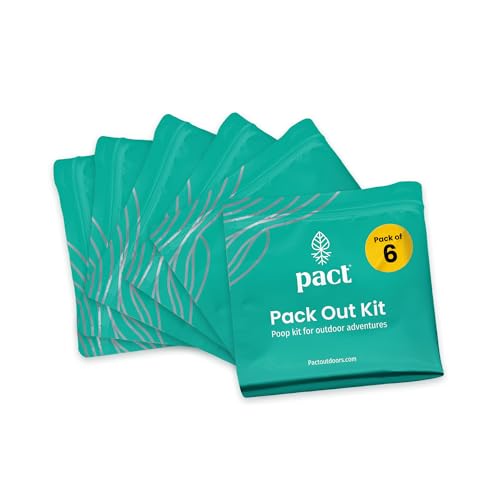
- All-in-one pack-out system for remote use
- Deodorizing powder helps control smell and solids
- Heavy-duty bags and wipes support cleaner cleanup
Best For: remote trips where bathrooms are unavailable
Emergency Heat Shield

- Reflective three-layer build helps retain body heat
- Grommets let it work as tarp, ground cover, or shelter
- Lightweight and packs into a waterproof carry bag
Best For: compact emergency shelter and backup warmth
Desert Face Cover
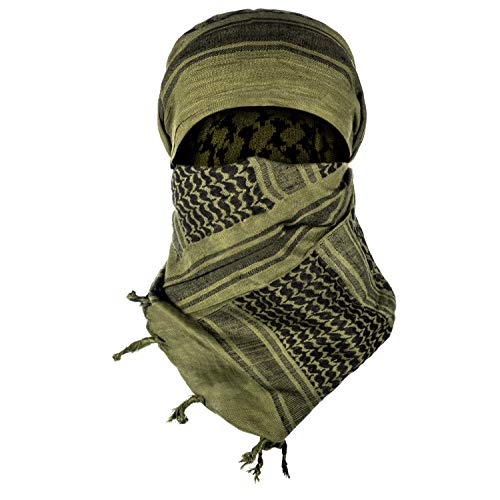
- Large 43 x 43 inch cotton wrap for flexible coverage
- Breathable fabric helps with heat, dust, and wind
- Can double as sling, pillow, blanket, or signal cloth
Best For: lightweight face and head coverage in dusty desert conditions
Ultralight Cooking Pick
DESERT & FOX Mini Camping Stove
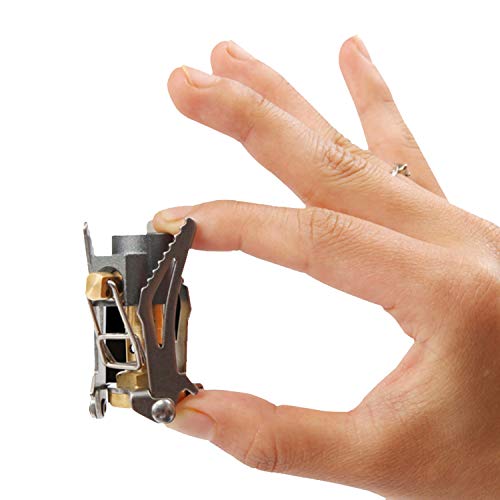
- 1.7 oz net weight with foldable 2 x 1.2 in packed size
- 2600W output with adjustable flame control
- Triangular support holds about 11 lbs of cookware
Best For: Ultralight hikers needing a compact stove for quick boils
Fast Shelter Pick
Night Cat Upgraded Backpacking Tent

- About 1-minute clip setup for quick pitching
- PU 3000 waterproofing with seam taping
- Weighs 4.4 lbs and packs compactly
Best For: Solo hikers wanting fast setup and solid rain protection
Carry-and-Cover Pick
Mardingtop 50L Hiking Backpack
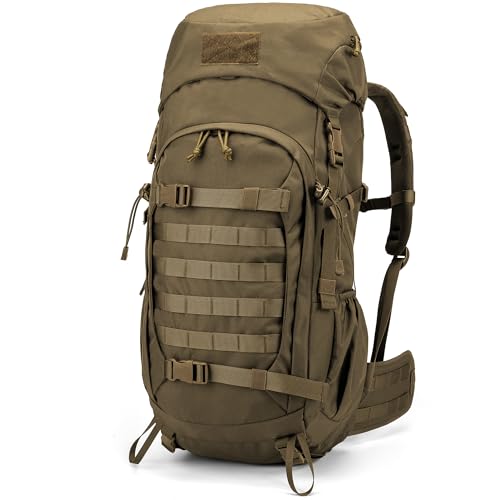
- 50L capacity with framed carry support
- Includes a rain cover and hydration compartment
- Front zip access speeds up gear retrieval
Best For: Multi-day hikers needing organized storage and weather cover
Emergency Shelter Pick
Ultralight Emergency Sleeping Bag
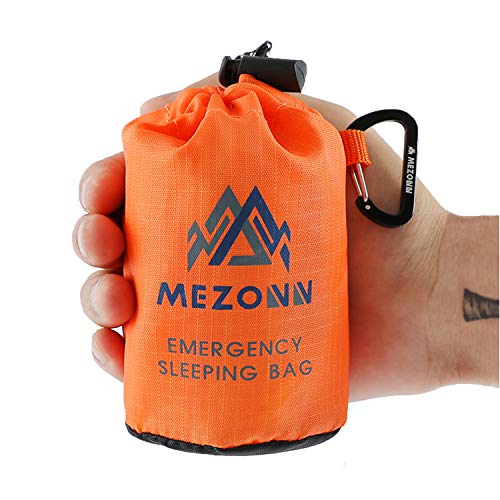
- 4.2 oz and packs into a tiny 3.9 x 5.1-inch sack
- Reflects 90% of body heat for emergency warmth
- Windproof, waterproof, and tear-resistant PE build
Best For: Compact emergency shelter for desert hikes and survival kits
Light Pack Pick

- 13-ounce pack with breathable mesh back and straps
- Hydration bladder compatible for 2-liter reservoir use
- 16-liter design suits light day hikes and travel
Best For: Minimalist desert day hikes with hydration needs
Sleep Comfort Pick

- 9 R-value insulation helps block ground chill
- 4-inch thickness adds cushioned sleeping comfort
- 2.2 lb design balances warmth with backpacking use
Best For: Warm, cushioned sleep on cold desert nights
Desert Sun Shelter – Silver Shadow Hiking Umbrella
If you want backpacking gear for desert hiking that helps you manage harsh sun without adding much weight, this ultralight umbrella is a strong pick. Its silver reflective canopy is made to cut glare and reflect UV while creating a cooler micro-climate on exposed trail miles.
Best For: Hikers who need portable sun protection on hot, exposed desert routes.
Pros:
- UPF 50+ silver coating reflects 99% of harmful UV rays.
- Lightweight 8.9 oz design with a 37-inch canopy for broad coverage.
- Fiberglass frame is built for flexible, reliable use in gusty conditions.
- Waterproof canopy also adds rain protection with ventilation.
Cons:
- Fixed-shaft design may be less compact than tiny accessories.
- Best suited to open-trail use rather than hands-free technical scrambling.
For desert hikers focused on heat management, this umbrella stands out as a practical shade tool rather than just a rain accessory. It is a smart add-on when sun exposure is the main comfort issue.
Leave No Trace Kit – PACT Pack Out Kit
When backpacking gear for desert hiking needs to cover waste management, this pack-out kit gives you a simple, self-contained solution. It is designed for times when bathrooms are unavailable, with a durable setup meant to reduce mess and odor on the trail.
Best For: Backpackers and campers who need a compact waste pack-out system for remote trips.
Pros:
- All-in-one kit includes dehydrating poop powder, bags, wipes, and a hand wipe.
- Deodorizing and dehydrating powder helps control smell and solidify waste.
- Heavy-duty inner and outer bags are designed to help prevent leakage.
- Compressed wipes expand with water for a cleaner feel than basic toilet paper.
Cons:
- It is a consumable kit, so supplies will run out after use.
- Primarily useful for situations without restroom access.
This is a practical leave-no-trace add-on for remote desert travel where facilities may be absent. The compact format makes it easy to keep in your pack until needed.
Emergency Heat Shield – Arcturus Survival Blanket
For backpacking gear for desert hiking that also covers emergency shelter needs, this reflective blanket is a versatile carry item. It is built to help retain warmth, block wind and moisture, and serve as a tarp or ground cover when conditions change.
Best For: Hikers and campers who want a compact emergency blanket with multiple shelter uses.
Pros:
- Three-layer construction combines reflective Mylar and rugged polypropylene.
- Reflective side helps return body heat in cooler conditions.
- Four reinforced grommets allow use as a tarp, wind block, or shelter layer.
- Lightweight design packs into a waterproof carry bag.
Cons:
- At about 1.4 lbs, it is less minimal than ultralight accessories.
- Hand wash only, so maintenance is more limited.
This is a good backup piece for desert hikers who want a single item that can handle warmth, cover, and emergency protection. It is more of a versatile survival layer than a specialized comfort item.
Desert Face Cover – Tactical Shemagh Scarf
If your backpacking gear for desert hiking needs a simple way to deal with dust, sun, and wind, this cotton shemagh is a versatile option. Its large size and breathable fabric make it easy to wear as a face covering, head wrap, or neck scarf in changing conditions.
Best For: Hikers who want a lightweight cotton wrap for dust, sun, and wind protection.
Pros:
- 43 x 43 inch size provides flexible coverage for head, neck, or face.
- 100% cotton fabric is soft, breathable, and lightweight.
- Can help wick moisture in summer and reduce heat loss in cooler weather.
- Can also serve as a travel blanket, pillow, sling, or signal cloth in emergencies.
Cons:
- Hand wash cold care may be less convenient on long trips.
- Offers coverage, but not the structured protection of a dedicated sun hat or mask.
As a compact desert layer, this shemagh is easy to carry and useful in a wide range of conditions. It is a practical choice when you want one item that does several trail jobs well.
Ultralight Cooking Pick – DESERT & FOX Mini Camping Stove
If you want backpacking gear for desert hiking that keeps your cook kit as light as possible, this compact stove is built for fast boils and easy packing. Its titanium-alloy blend, foldable body, and 1.7 oz net weight make it a practical choice when every ounce matters on hot, exposed routes.
Best For: Ultralight hikers who want a tiny, fast-boiling stove for simple trail meals and water treatment.
Pros:
- Very light at just 1.7 oz, with a small carry sack included.
- Foldable design packs down to 2 x 1.2 in for easy storage.
- Adjustable flame control and 2600W output for quick heating.
- Triangular support is rated to hold about 11 lbs of cookware.
Cons:
- Butane gas tank is not included.
- Needs an adapter for nozzle-style canisters.
- Best suited to compact cookware rather than larger camp setups.
For minimalist desert trips, this is a straightforward stove that prioritizes portability and speed over extra features. It fits best with a lightweight sleep-and-shelter system where cooking needs are simple and efficient.
Fast Shelter Pick – Night Cat Upgraded Backpacking Tent
For backpacking gear for desert hiking, a tent needs to be quick to pitch, dry, and easy to carry, and this Night Cat model focuses on exactly that. The clip-based setup, compact packed size, and waterproof construction make it a practical solo shelter for exposed conditions when shade and storm protection both matter.
Best For: Solo or near-solo hikers who want a lightweight tent with fast setup and strong rain protection.
Pros:
- Clip setup is designed to assemble in about 1 minute.
- Waterproof construction includes PU 3000 fabric and seam taping.
- Compact at 4.4 lbs with a portable folded package.
- Mesh door and roof window improve airflow while helping keep bugs out.
Cons:
- Listed as a 1-person tent, so space is limited.
- Fiberglass poles are not as robust as premium pole materials.
- Vestibule and interior storage are minimal compared with larger tents.
This is a good fit if you want a simple, weather-ready shelter without adding much weight to your pack. It leans more toward efficient solo use than extra room, which works well for streamlined desert overnights.
Carry-and-Cover Pick – Mardingtop 50L Hiking Backpack
If you’re building backpacking gear for desert hiking, a pack with enough capacity and a rain cover can make organization much easier. This Mardingtop 50L backpack offers a framed carry system, quick front access, and hydration compatibility, so it suits longer outings where you need room for layers, water, and essentials.
Best For: Hikers who want a 50L pack with organized storage and a built-in rain cover for multi-day trips.
Pros:
- 50L capacity gives you room for multi-day hiking or camping loads.
- Includes a rain cover for added weather protection.
- Front zip access makes the main compartment easier to reach.
- Hydration compartment fits a 5L bladder, and the pack uses padded support straps.
Cons:
- At 3.9 lbs, it is heavier than minimalist daypacks.
- Its tactical design may be more than some hikers need.
- Best for larger loads rather than ultralight desert trips.
This pack makes sense when storage, access, and carry comfort matter more than shaving every ounce. It’s a versatile option for desert hiking if you prefer one bag that can handle both trail and camp gear.
Emergency Shelter Pick – Ultralight Emergency Sleeping Bag
For backpacking gear for desert hiking, this emergency bivy is a tiny insurance policy you can stash in your pack, car, or first-aid kit without adding much weight. At 4.2 ounces and packed into a 3.9 x 5.1-inch sack, it is built for unexpected cold nights, wind, and emergencies when you need fast heat retention and simple shelter.
Best For: Hikers who want a compact emergency layer for desert trips, roadside backups, and survival kits.
Pros:
- Weighs only 4.2 ounces and packs very small for easy carry
- Reflects 90% of body heat to help stay warm in emergencies
- Tear-resistant, windproof, and waterproof PE construction
- Large enough to wrap one adult, with multi-use shelter options
Cons:
- Designed as emergency gear, not a full-featured sleeping bag
- One-person use is the primary fit
- Maximum height recommendation is listed at 5 feet
If your desert hiking setup needs a minimal backup for sudden weather or overnight survival, this bivy sack makes sense as a lightweight emergency item rather than a primary sleep system.
Light Pack Pick – Juniper 16L Daypack
When choosing backpacking gear for desert hiking, a light, breathable pack matters almost as much as water capacity. The Tezos Juniper Daypack keeps things simple with a 16-liter layout, padded mesh back panel, and hydration bladder compatibility, making it a practical carry option for shorter outings or fast-moving trail days.
Best For: Day hikers and minimalist desert travelers who want a lightweight, breathable pack with hydration support.
Pros:
- Lightweight at 13 ounces for low-carry comfort
- Padded mesh back panel and mesh shoulder straps improve breathability
- Hydration bladder compatible with a 2-liter reservoir sleeve
- Drawstring closure with lid cover adds easy access and security
Cons:
- 16-liter capacity is best for lighter loads
- Hydration bladder is not included
- Not intended as a full multi-day backpacking pack
For desert hikes where heat, airflow, and water access are priorities, this daypack is a clean, lightweight choice that focuses on comfort over extra bulk.
Sleep Comfort Pick – CumbreX 4-Inch Insulated Pad
For backpacking gear for desert hiking, a good sleep pad has to handle big temperature swings and rough ground. The Elegear CumbreX pad is built around a 9 R-value insulation system, 4-inch thickness, and durable waterproof materials, making it a strong option when you want more warmth and cushioning for nights in camp.
Best For: Backpackers who need a warm, cushioned sleeping pad for desert nights and four-season use.
Pros:
- Certified 9 R-value insulation for strong ground chill protection
- Full 4-inch thickness with mummy shape for better cushioning
- Weighs 2.2 lbs and packs compactly for backpacking
- Durable 20D tear-resistant nylon with reinforced TPU and waterproof build
Cons:
- Heavier than ultra-minimal sleeping pads at 2.2 lbs
- No built-in pump, so inflation relies on the included pump sack
- Mummy shape may feel less roomy than rectangular pads
If your desert route includes cold nights, rocky camps, or large day-to-night temperature swings, this pad prioritizes insulation and comfort over shaving every possible ounce.
How We Picked the Best Backpacking Gear for Desert Hiking
For Backpacking Gear for Desert Hiking, we prioritized sun protection, heat management, low pack weight, fast setup, and practical durability. We also looked for items that earn their place by solving real desert problems: shade, insulation from hot ground, emergency warmth after sunset, water-efficient travel, and comfort under harsh conditions.
Quick Comparison
Use the list as a system, not just a shopping cart. Some items are core essentials, while others are situational add-ons. A lightweight shelter, insulated sleep system, and sun protection usually matter more than extra features. If you hike in shoulder seasons, emergency warmth and wind protection become more important. If you’re doing shorter trips or day-hike style overnights, a compact daypack and simpler shelter may be enough.
Key Buying Factors for Backpacking Gear for Desert Hiking
Sun and Shade
Desert exposure is relentless. Look for UPF-rated shade, reflective materials, and clothing or accessories that reduce direct solar load. Even small shaded breaks help conserve energy and water.
Temperature Swings
Deserts can be brutally hot by day and surprisingly cold at night. Insulated sleep gear, emergency bivy options, and reflective blankets can help bridge that gap without adding much weight.
Water and Carry Comfort
Pack volume and fit matter more than in milder environments. Choose a backpack that carries water efficiently, stabilizes loads well, and stays comfortable when you’re moving on uneven terrain.
Lightweight Reliability
Every ounce counts, but ultralight should not mean fragile. Prioritize simple, proven designs with dependable materials, especially for shelter, sleeping, and sun protection.
Heat-Appropriate Cooking and Shelter
If you cook on trail, compact stoves and wind-resistant setups are usually better than bulky systems. For shelter, quick pitch and strong rain or wind resistance are important because desert storms can arrive fast.
Who Should Buy Which Backpacking Gear for Desert Hiking?
Ultralight hikers should focus on the umbrella, daypack, and compact shelter pieces first. Longer-trip backpackers will get more value from a supportive main pack, insulated sleep system, and emergency backup items. Hot-weather minimalists may prefer the shemagh, shelter, and stove as flexible multipurpose tools. If you’re building a complete kit, start with protection from sun, a way to sleep comfortably on cold ground, and enough carry capacity for water and safety gear.