Choosing the right baseball gear for pitchers can make practice more efficient and help you focus on the skills that matter most: arm strength, consistency, and command.
Below, we’ve rounded up 10 useful training tools and accessories that support throwing mechanics, grip, and target work without adding unnecessary clutter to your bag.
Best 10 Baseball Gear for Pitchers Picks for 2026
Arm Strength Builder
SunNordik Resistance Bands for Pitchers

- Portable resistance training for pitchers
- Includes carry bag and action manual
- Beginner 10LB tension level
Best For: Portable arm-strength training and guided warmups
Grip-and-Release Trainer
Roger Clemens Pitching Trainer

- Color-coded finger placement marks
- Works for left- and right-handed pitchers
- Includes instructional booklet
Best For: Learning pitch grips and mechanics
Moisture Control Grip Aid
Franklin MLB Gator Grip Rosin Bag
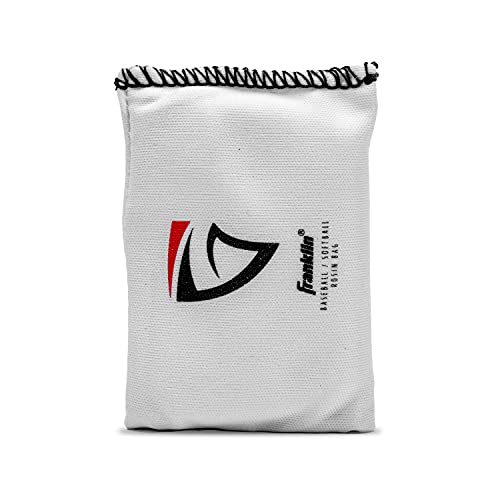
- Absorbs moisture to help keep hands dry
- Non-toxic rosin for baseball and softball
- Compact and easy to carry
Best For: Keeping grip dry on the mound
Weighted Throwing Trainer
GoSports 16 oz Training Baseballs

- Six-pack of 16 oz weighted balls
- Built for pitching mechanics and strength
- Heavy-duty rubber shell
Best For: Weighted-ball practice and power training
Grip Aid
Rawlings Rock Rosin Bag for Dry Grip

- Professional grip aid for drier hands
- Easy storage with even powder dispersal
- Compact Rawlings bag for game-day use
Best For: Pitchers and players wanting a simple dry-grip accessory
Warm-Up Trainer
Baseball Pitching Resistance Band
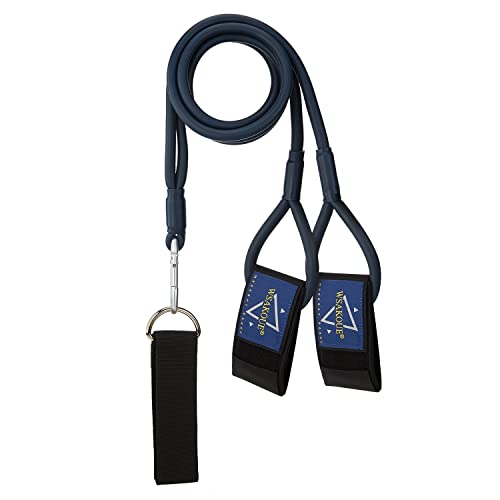
- Made for pitchers and throwing training
- Portable for home, travel, or field use
- Natural latex band with non-slip support
Best For: Pitchers who want a portable warm-up and arm trainer
Mechanics Drill

- Instant feedback on release and follow-through
- Supports muscle memory, control, and arm speed
- Detachable cotton design for training flexibility
Best For: Pitchers focused on mechanics, consistency, and drill work
Pitching Grip Trainer
SKLZ Pitch Training Baseball with Finger Markers

- Printed markers for 4 common pitches
- Works for right- and left-handed pitchers
- Official size and weight for realistic practice
Best For: Pitchers practicing consistent grips and pitch-specific hand placement
Arm Strength Bands
Baseball Resistance Bands for Pitchers

- Five resistance levels from 10-30 lb
- Includes handles, straps, anchor, grip, and bag
- Built for mechanics, strength, and mobility work
Best For: Pitchers training arm strength and mobility with a portable band set
Strike Zone Target
9 Hole Pitching Net with Strike Zone

- 9-hole strike-zone style target for accuracy work
- Four adjustable height levels
- Portable with bag, stakes, and sandbags
Best For: Pitchers and coaches working on location with a portable target
Arm Strength Builder – SunNordik Resistance Bands for Pitchers
If you’re shopping for baseball gear for pitchers, this resistance band set is a practical way to work on arm strength, flexibility, and throwing speed at home or before practice. It includes a carry bag, an action manual, and multiple setup options so you can train in more than one spot without much hassle.
Best For: Pitchers who want portable resistance training with guided workouts.
Pros:
- Built to help improve strength, arm speed, flexibility, and pitching accuracy
- Uses premium latex, stainless steel hooks, and a reinforced wrist strap
- Includes a carry bag for easy transport to the field or gym
- Comes with an instruction manual for more standardized solo training
Cons:
- Single beginner tension level may be limiting for advanced users
- Best suited to training work, not live throwing practice
- Requires proper setup to get the most out of the different attachment options
This is a straightforward training tool for pitchers who want a portable, structured way to build arm-focused strength. It stands out more for convenience and consistency than for high-end customization.
Grip-and-Release Trainer – Roger Clemens Pitching Trainer
For players focused on mechanics, this pitching trainer is a useful piece of baseball gear for pitchers because it is designed to teach finger placement and pitch grips. The color-coded marks and included booklet make it easy to study different pitch types while using an official size and weight baseball.
Best For: Pitchers who want grip guidance and mechanics practice with a regulation-feel trainer.
Pros:
- Color-coded finger placement marks help guide grip positioning
- Works for both left-handed and right-handed pitchers
- Supports four pitch types: 4-seam fastball, 2-seam fastball, curveball, and slider
- Official size and weight makes it feel closer to a real baseball
Cons:
- Primarily a mechanics trainer, not a general practice ball
- Focuses on grip and pitch types more than arm conditioning
- Best used with the booklet rather than as a standalone tool
This is a solid option if your priority is learning grip consistency and pitch fundamentals. It is more specialized than a training ball, but that focus can be a real advantage for developing pitchers.
Moisture Control Grip Aid – Franklin MLB Gator Grip Rosin Bag
If you need baseball gear for pitchers that helps with grip, this rosin bag is a simple, field-ready option. It is designed to absorb moisture and keep hands dry on the mound, which can make it easier to maintain control during practice or competition.
Best For: Pitchers who want a compact moisture-absorbing grip aid.
Pros:
- Engineered to absorb moisture and help keep hands dry
- Non-toxic rosin formula is suitable for baseball and softball
- Compact cloth bag is easy to stash in a gear bag
- Designed for grip support during practice or games
Cons:
- Only addresses grip and moisture, not training or mechanics
- Single-item purchase offers no extra accessories
- Small size means it is more of a support item than a full training tool
This is a low-friction add-on for pitchers who want a better feel on the ball. It is not a training solution by itself, but it can be a useful part of a game-day setup.
Weighted Throwing Trainer – GoSports 16 oz Training Baseballs
Among baseball gear for pitchers, weighted balls are a direct way to work on throwing mechanics and strength at the same time. This six-pack of 16 oz training baseballs is made for practice sessions where you want instant feedback, controlled reps, and a heavier feel than a standard ball.
Best For: Pitchers who want weighted-ball training for mechanics and strength work.
Pros:
- 16 oz weight helps build strength while reinforcing throwing mechanics
- Good for beginners and experienced players
- Heavy-duty rubber shell is built for repeated practice use
- Limited flight design supports backyard or controlled training sessions
Cons:
- Heavier than a standard baseball, so it is not for regular game use
- Limited flight makes it better for training than full-distance throwing
- Only comes as a weighted-ball set, with no instructional extras
This set is a strong pick if you want a simple, repeatable way to train pitching form and power. It is especially useful when you want a heavier ball to highlight flaws in mechanics.
Grip Aid – Rawlings Rock Rosin Bag for Dry Grip
If you’re comparing baseball gear for pitchers, a rosin bag is a simple way to improve hand control during throwing and fielding. The Rawlings Rock Rosin Bag is built as a professional grip aid with easy storage and even powder dispersal, making it a straightforward add-on for players who want a drier, steadier feel.
Best For: Pitchers and players who want a basic dry-grip aid from a trusted baseball brand.
Pros:
- Professional-grade grip aid for better hold on gear
- Easy-to-store design with even powder dispersal
- Compact, one-size bag that is simple to keep in a gear bag
- Trusted Rawlings branding for players who prefer established baseball gear
Cons:
- Designed specifically as a dry grip aid, not a training tool
- Best suited for players who already want rosin support
This is a no-frills accessory that focuses on grip more than flash. For pitchers who want a practical way to keep hands drier and maintain control, it fits neatly into a game-day setup.
Warm-Up Trainer – Baseball Pitching Resistance Band
Baseball Band Resistance Band for Pitchers, Arm Trainer for Throwing Training, 40lb - Blue
Check Price On AmazonWhen shopping for baseball gear for pitchers, resistance bands are a useful way to warm up and work on throwing prep before you take the mound. This baseball band is made for pitchers and throwing training, and its portable design makes it easy to bring to home workouts, travel, or the field.
Best For: Pitchers looking for a portable warm-up and arm training band for pre-throw routines.
Pros:
- Built for baseball players and softball pitchers
- Supports warming up and recovery-focused use
- Portable and lightweight for training anywhere
- Natural latex construction with non-slip support
Cons:
- Limited to 2 resistance levels
- More of a warm-up and rehab aid than a full pitching trainer
This is a practical pick if you want an arm-focused band you can carry easily and use often. It is especially appealing for pitchers who need a simple tool for pre-throw preparation and general mobility work.
Mechanics Drill – Pitching Towel Trainer
For baseball gear for pitchers focused on mechanics, a pitching towel trainer can be a smart drill tool. This model is designed to help players work on release point, wrist snap, follow-through, and arm speed, while the detachable setup adds flexibility for practice sessions indoors or outdoors.
Best For: Pitchers who want mechanics feedback and a drill tool for improving consistency and arm speed.
Pros:
- Provides instant feedback on release point, wrist snap, and follow-through
- Helps build muscle memory and improve control
- Detachable design supports easy disassembly and cleaning
- Suitable for all ages and skill levels
Cons:
- Primarily a training aid, not a game-use product
- Uses a cotton towel setup rather than a traditional pitching accessory
This trainer is best viewed as a mechanics-first tool for repeatable practice. If your priority is improving form, feedback, and confidence before games, it offers a focused way to drill pitch delivery.
Pitching Grip Trainer – SKLZ Pitch Training Baseball with Finger Markers
If you’re shopping for baseball gear for pitchers, this SKLZ training baseball is a simple way to work on grips for four common pitches. The printed finger-placement markers and color-coded pitching key make it easier to practice a 4-seam fastball, 2-seam fastball, curveball, and slider with more consistency.
Best For: Pitchers who want a structured grip trainer for solo throwing drills and repetitive mechanics work.
Pros:
- Marked for four pitches: 4-seam fastball, 2-seam fastball, curveball, and slider
- Works for both right- and left-handed pitchers
- Official size and weight for more realistic training
- Color-coded pitching key adds extra grip guidance
Cons:
- Focused on grip training rather than throwing feedback
- Single-ball design won’t replace a full pitching practice setup
This is a practical training aid if your main goal is repeating proper finger placement before you throw. It keeps the work simple and specific, which makes it a useful addition to baseball gear for pitchers at home or during warmups.
Arm Strength Bands – Baseball Resistance Bands for Pitchers
For pitchers building a stronger routine, these baseball resistance bands for pitchers cover arm strength, shoulder work, hip mobility, and pitching mechanics. The set includes five resistance levels, so it can fit different training needs whether you’re rehabbing, cross-training, or working on throwing prep.
Best For: Players who want an all-in-one resistance band kit for pitching drills and arm-strength work.
Pros:
- Five bands with 10-30 lb resistance levels
- Includes handles, ankle straps, door anchor, grip, guide, and bag
- Designed for pitching mechanics, arm speed, and hip mobility
- Can be used indoors or outdoors
Cons:
- Not a throwing aid, so it won’t directly improve ball flight or command
- Multiple pieces may be more than some casual users need
This is a versatile training tool if you want baseball gear for pitchers that supports strength and movement work beyond the mound. The included accessories and resistance range make it easy to build repeatable workouts around throwing prep.
Strike Zone Target – 9 Hole Pitching Net with Strike Zone
If you want baseball gear for pitchers that helps with accuracy, this 9-hole pitching net gives you a clear strike-zone style target for practice. The adjustable height settings, portable design, and included stakes and sandbags make it suitable for indoor or outdoor throwing sessions.
Best For: Pitchers, coaches, and players looking for a portable accuracy target with multiple height settings.
Pros:
- 9-hole target with strike-zone style training focus
- Four adjustable height levels for different players
- Portable design with carrying bag included
- Includes ground stakes and empty sandbags for added stability
Cons:
- Sandbags are empty and need to be filled
- Requires assembly before use
This is a solid practice net for pitchers who want a more visual way to work on location and repeatable throws. Its adjustable build and portability make it a flexible choice for backyard, indoor, or team training.
How We Picked the Best Baseball Gear for Pitchers
We focused on gear that solves real training needs for pitchers: strengthening the arm and shoulder area, improving grip in all weather, reinforcing finger placement, and creating repeatable throwing reps. We also favored portable tools, durable construction, and options that work for beginners through advanced players.
Quick Comparison: What Each Type of Gear Does
Not all Baseball Gear for Pitchers serves the same purpose. Resistance bands and weighted balls are best for arm activation and strength work. Rosin bags help maintain a secure grip. Training baseballs with finger markers support better pitch mechanics and release consistency. Pitching towels and target nets are ideal for drill work, accuracy, and command.
Key Buying Factors for Baseball Gear for Pitchers
Training Goal
Start with your biggest need. If you want more velocity and arm prep, look at resistance tools. If your release point or spin is inconsistent, finger-marker balls and pitching towels may be more useful. For command, a strike-zone net or target system makes the most sense.
Weight, Resistance, and Skill Level
Choose resistance and weighted tools that match the athlete’s age, strength, and experience. Too much load can be counterproductive, so lighter, progressive options are usually safer for younger pitchers or those just starting a routine.
Grip and Feel
Good grip matters in dry heat, humidity, and high-pressure throwing sessions. Rosin bags and tack-enhancing tools can help pitchers stay confident through long practices and games.
Portability and Durability
The best Baseball Gear for Pitchers is easy to carry, set up, and store. If you train at multiple fields, in a garage, or indoors, compact and durable equipment will get used more often.
Who Should Buy Which Baseball Gear for Pitchers?
Pitchers building arm strength should prioritize resistance bands and training balls. Players working on mechanics and accuracy will get more value from finger-placement trainers, pitching towels, and strike-zone nets. If your main issue is control in hot or humid conditions, a rosin bag is a simple but worthwhile addition. Many pitchers will benefit most from a balanced mix of one strength tool, one mechanics tool, and one command tool.
In short, the best setup depends on what you want to improve most. Build around your training goal, keep the load appropriate, and choose gear you’ll actually use consistently.