Getting started in the woods is easier when your kit covers the basics: cutting, fire making, and simple wood processing. The best bushcraft gear for beginners should be practical, durable, and forgiving to learn with.
Below, we focused on tools that help new outdoors enthusiasts build real skills without overcomplicating the setup. Whether you are practicing fire starting at home or heading out on your first overnight trip, these picks make a solid foundation.
Best 10 Bushcraft Gear for Beginners Picks for 2026
All-in-One Survival Pick
Gerber Bushcraft Knife with Sheath
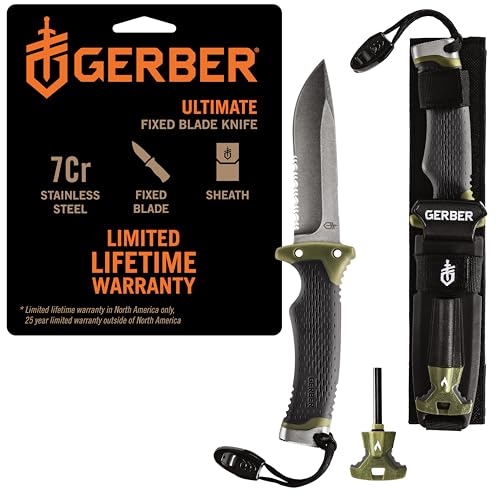
- Knife, sharpener, fire starter, and whistle included
- Textured rubber grip and full tang build
- Compact for camping, hiking, and EDC
Best For: Beginners wanting a single survival knife kit
Traditional Woodcraft Tool

- Heavy-duty steel with black coating
- Made for drilling pegs, traps, and camp woodwork
- Protective case and hook included
Best For: Beginners practicing traditional woodcraft and camp builds
Fire-Starting Starter
4-Inch Ferro Rod Fire Starter Kit

- 4-inch ferro rod with striker and paracord
- Weatherproof and built for emergency fires
- Compact and easy to carry
Best For: Beginners learning basic bushcraft fire starting
Portable Camp Cutter

- Three blades for wood, metal, and PVC
- Locking blade and slip-resistant handle
- Includes nylon pouch for carry
Best For: Beginners needing a versatile folding saw for camp chores
Primitive Fire Training Kit
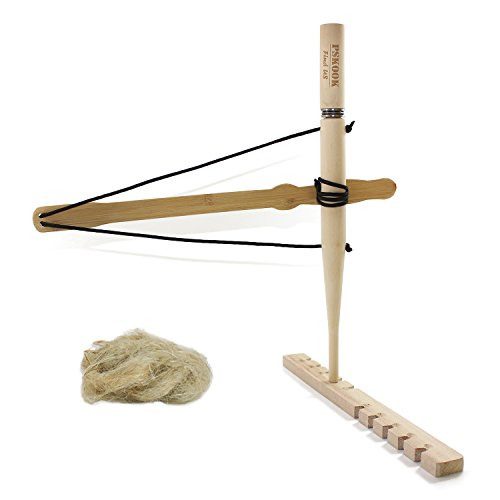
- Pre-assembled for immediate practice
- Includes jute tinder for training
- Built for primitive fire skills
Best For: Scouts and beginners learning friction-fire basics
Compact Cutting Tool

- Full tang 3.5-inch steel blade
- Compact size for pack carry
- Includes mountable nylon sheath
Best For: New bushcrafters needing a compact camp hatchet
Portable Wood-Cutting Aid
Pocket Chainsaw with Paracord Handles

- Folds into a small storage bag
- Lightweight 170-gram design
- 11 teeth for quick manual cutting
Best For: Beginners needing a portable manual saw for camp
Easy-Start Fire Kit
Ferro Rod Fire Starter Kit with Fatwood Tinder

- Includes ferro rod, striker, fatwood tinder, and pouch
- Fatwood helps sparks catch faster
- Built for rain, wind, and snow
Best For: Beginners who want a complete fire-starting kit
Traditional Wood-Drilling Tool
Scotch Eye Hand Auger Wrench with Leather Case

- High carbon steel construction
- Leather sheath for carry and protection
- Made for clean, precise wood holes
Best For: Beginners practicing wood drilling and camp woodworking
Portable Spark Kit
Ferro Rod with Striker and Paracord Lanyard
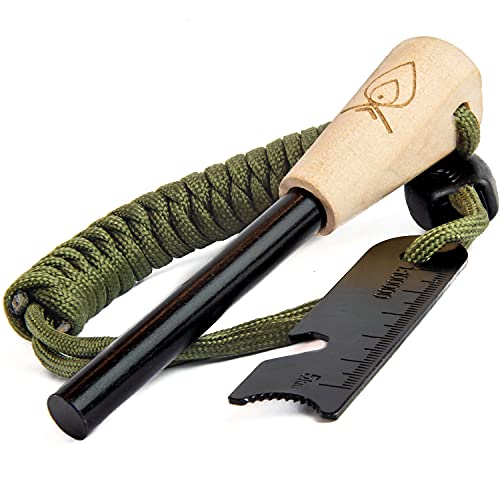
- Weather-resistant ferro rod
- Includes striker and paracord lanyard
- Extra tool adds multiple small functions
Best For: Beginners who want a compact fire starter with utility
All-in-One Survival Pick – Gerber Bushcraft Knife with Sheath
For bushcraft gear for beginners, this Gerber combo gives you the core tools in one package: a fixed blade knife, a sheath with an integrated sharpener, a ferro rod, and an emergency whistle. It’s built for camp tasks, fire starting, and general outdoor use, so you can carry fewer separate items while learning the basics.
Best For: Beginners who want an all-in-one survival knife setup for camping, bushcraft, and emergency prep.
Pros:
- Includes knife, sheath sharpener, fire starter, and whistle in one kit
- Textured rubber grip helps with control in outdoor conditions
- Full tang construction and stainless steel blade add practical durability
- Compact size makes it easy to pack for trips and day carries
Cons:
- Half-serrated blade may not suit everyone’s slicing preference
- At 11.02 oz, it is not the lightest option
- Hand wash only care requirement adds a little maintenance
This is a strong starter choice if you want one tool that covers several bushcraft essentials without overcomplicating your kit. The included accessories make it especially useful for learning fire prep and basic field tasks.
Traditional Woodcraft Tool – Scotch Eye Auger Drill Tool
When building practical bushcraft gear for beginners, a tool like this Scotch eye auger can open up more project options without needing powered equipment. It’s meant for drilling holes in wood for pegs, traps, mallets, chairs, grill setups, and similar camp builds, with a protective case and hook for easier carry.
Best For: Beginners learning hands-on woodcraft projects and simple shelter-building tasks.
Pros:
- Heavy-duty steel construction with black paint coating
- Scotch eye design adds leverage for hand drilling
- Useful for pegs, wooden mallets, fish traps, and other camp projects
- Protective case and hook improve portability
Cons:
- Single-purpose tool compared with multi-tool options
- Requires a wooden stick or similar leverage setup to use effectively
- Best suited to wood, so it is not a general-purpose camp tool
This is a smart buy if you want to practice traditional bushcraft skills and make functional wooden parts by hand. It has a narrower use case, but that focus is exactly what makes it valuable for learning.
Fire-Starting Starter – 4-Inch Ferro Rod Fire Starter Kit
For bushcraft gear for beginners, a reliable fire starter is one of the first items worth learning to use, and this ferro rod kit keeps things straightforward. It includes a 4-inch ferrocerium rod, a paracord lanyard handle, and a striker, making it a simple way to practice fire starting in different outdoor conditions.
Best For: Beginners who want an easy-to-carry fire-starting tool for camping and emergency use.
Pros:
- 4-inch ferro rod offers a good balance of spark output and portability
- Paracord lanyard improves grip and helps keep the striker attached
- Designed to work in wet or weather-challenging conditions
- Includes a 6-edge striker made from tool-grade HSS steel
Cons:
- Requires practice to use efficiently if you are new to ferro rods
- Not a full kit; you still need tinder and fire-building skill
- Best results depend on using a proper striker rather than a soft knife blade
This is a good foundational fire-starting tool for learning the basics of bushcraft. It is compact, weather-resistant, and purpose-built for spark production rather than multi-function use.
Portable Camp Cutter – 3-in-1 Folding Saw with Pouch
If you’re building a practical list of bushcraft gear for beginners, a folding saw is one of the easiest tools to appreciate on the trail. This MOSSY OAK 3-in-1 model comes with three blades for wood, metal, and PVC, so it can handle common campsite cutting jobs and basic field maintenance.
Best For: Beginners who need a portable saw for cutting wood and handling light camp tasks.
Pros:
- Three interchangeable blades expand its usefulness
- Locking system helps keep the blade secure during use
- Slip-resistant handle supports easier control
- Includes a nylon pouch for storage and transport
Cons:
- Blade changes add a little setup time
- Best for light-to-moderate camp cutting, not heavy-duty work
- Some blade directions must be chosen carefully after swapping
This saw is a practical choice if you want one portable cutting tool for trail work, shelter building, and camp chores. The included pouch and multiple blade types make it especially flexible for a beginner kit.
Primitive Fire Training Kit – Bow Drill Fire Starter Kit
For bushcraft gear for beginners, this bow drill kit is a hands-on way to practice primitive fire starting without needing to build the setup from scratch. It comes pre-assembled and includes jute tinder, so you can focus on learning the friction-fire technique, patience, and proper drilling form.
Best For: Scouts, outdoor learners, and beginners who want to practice primitive fire-starting skills.
Pros:
- Pre-assembled, so it’s ready to use out of the box.
- Includes jute tinder for immediate practice.
- Bamboo bow and handle are smooth and beginner-friendly.
- Made with paulownia fire board, polyester rope core, and high-carbon steel bearings.
Cons:
- Requires practice and persistence to produce smoke and fire.
- More of a training tool than a quick-fire solution.
This is a solid learning piece if your goal is skill-building rather than convenience. It suits beginners who want a guided introduction to primitive fire methods and a tool designed for outdoor teaching and survival practice.
Compact Cutting Tool – Gerber Pack Hatchet
If you’re assembling bushcraft gear for beginners, a small hatchet like this can cover a lot of camp tasks without taking up much pack space. The Gerber Pack Hatchet uses a 3.5-inch steel blade, full tang construction, and a rubber grip handle, making it a practical compact tool for outdoor cutting jobs.
Best For: Campers and new bushcrafters who want a compact hatchet for general outdoor cutting tasks.
Pros:
- Compact 9.46-inch overall length and 20.8 oz weight for easy carry.
- Full tang construction adds durability.
- Rubber grip with finger grooves improves comfort and control.
- Includes a removable nylon sheath that mounts to a pack or belt.
Cons:
- Small blade size limits heavier chopping tasks.
- Best suited to lighter camp and survival work.
This is a straightforward option for beginners who want a manageable hatchet rather than a large chopping tool. Its portability and sheath design make it easy to carry, while the durable build supports regular use in camp and survival settings.
Portable Wood-Cutting Aid – Pocket Chainsaw with Paracord Handles
For bushcraft gear for beginners, this pocket chainsaw is a simple manual cutting option that can help with wood processing in camp or emergency situations. At about 24 inches long with paracord handles and a folding design, it’s built for portability and practical use when you need a lightweight saw in your pack.
Best For: Hikers, campers, and beginners who want a lightweight manual saw for cutting small wood.
Pros:
- Lightweight at 170 grams and easy to pack.
- Folds into a small storage bag for belt or backpack carry.
- 11 sharp cutting teeth are designed for quick bidirectional cutting.
- Heat-treated Mn steel alloy chain is rust-resistant and durable.
Cons:
- Manual cutting requires effort and proper technique.
- Best for wood cutting, not heavier chopping tasks.
This is a practical backup saw for beginners who want a compact tool without the bulk of a larger hand saw. Its portability and straightforward design make it useful for camping, hiking, yard work, and emergency wood cutting.
Easy-Start Fire Kit – Ferro Rod Fire Starter Kit with Fatwood Tinder
If you’re building out bushcraft gear for beginners, a fire starter that helps you get a flame going quickly can make a big difference. This kit pairs a thick ferro rod with a striker, natural fatwood tinder, and a pouch, giving you a simple setup that is easier to learn with than a bare ferro rod alone.
Best For: Beginners who want a complete, compact fire-starting kit with tinder included.
Pros:
- Includes a 3/8″ thick ferro rod, striker, fatwood tinder stick, and storage pouch
- Fatwood tinder helps sparks catch faster and makes starting a flame easier
- Designed for reliable use in rain, wind, and snow
- Claims 15,000+ strikes for long-term use
Cons:
- Requires practice to use well if you’re new to ferro rods
- Focused on fire-starting rather than a broader tool set
This is a practical choice if you want an all-in-one fire kit that keeps the learning curve manageable. The included tinder and pouch make it especially approachable for first-time bushcrafters.
Traditional Wood-Drilling Tool – Scotch Eye Hand Auger Wrench with Leather Case
For bushcraft gear for beginners, a hand auger is a useful tool if you want to learn basic wood-drilling tasks in camp. This scotch eye wrench is made from thick high carbon steel, comes with a leather sheath, and is meant for clean, precise holes for campsite and wilderness use.
Best For: Beginners learning wood drilling, shelter building, or simple outdoor woodworking tasks.
Pros:
- Made from sturdy thick high carbon steel for durability
- Includes a durable leather sheath with snaps for protection and carry
- Designed for precise and clean holes in wood
- Ergonomic handle supports a comfortable grip
Cons:
- More specialized than general-purpose bushcraft tools
- Hand drilling takes effort and technique
This is a strong add-on if your beginner setup already covers fire and cutting basics. It is most useful when you want to practice a specific traditional bushcraft skill rather than buy a multipurpose tool.
Portable Spark Kit – Ferro Rod with Striker and Paracord Lanyard
If you’re comparing bushcraft gear for beginners, a compact ferro rod is one of the simplest survival essentials to start with. This version adds a hardwood handle, a striker tool, and a paracord lanyard, making it easy to keep on hand in a pocket, pack, or glove box.
Best For: Beginners who want a portable ferro rod with extra utility built in.
Pros:
- Weather-resistant ferro rod works when matches or lighters fail
- Claims 15,000+ strikes for long service life
- Includes a striker plus a 48″ braided paracord lanyard
- Attached survival tool adds a bottle opener, hex wrench, micro ruler, map scale, and spine scraper
Cons:
- Does not include tinder, so you’ll need to supply your own
- Ferro rod fire starting still requires practice
This is a versatile carry option if you want a fire starter that stays compact while adding a few extra tools. It suits beginners who want one item they can keep in reach without taking up much space.
How We Picked the Best Bushcraft Gear for Beginners
For Bushcraft Gear for Beginners, the right choice is usually the tool that is easiest to use correctly and hardest to misuse. We prioritized gear that supports core skills: safe cutting, reliable fire starting, basic wood drilling, and simple camp prep.
We also looked for practical starter-friendly features such as included sheaths or pouches, straightforward designs, manageable size and weight, and tools that can teach repeatable outdoor skills rather than novelty functions.
Quick Comparison: What Each Type of Tool Does
Think in categories, not just products. A fixed-blade knife or hatchet handles splitting and shaping. A ferro rod or fire starter kit covers ignition in wet conditions. A folding saw or pocket chainsaw helps with branches and deadwood. A bow drill kit or hand auger tool supports skill-building and primitive fire or woodwork practice.
If you are buying your first kit, start with the essentials first, then add specialty tools as your confidence grows.
Key Buying Factors for Bushcraft Gear for Beginners
1. Ease of Learning
Choose tools with a simple, predictable use case. Beginners benefit from gear that works with straightforward technique and does not demand advanced maintenance or complicated setup.
2. Safety and Control
Look for secure grips, good sheaths, locking or stable mechanisms where relevant, and sizes that are comfortable for your hands. Control matters more than raw capability when you are learning.
3. Durability and Field Practicality
Starter gear should survive regular practice and outdoor use. Favor materials and builds that are easy to clean, easy to carry, and suited to repeated trips.
4. Skill Coverage
The best beginner setup covers multiple jobs without duplicating functions. A balanced kit usually includes one reliable cutter, one fire starter, and one tool for wood prep.
Who Should Buy Which Bushcraft Gear for Beginners?
If you want the simplest all-around setup, start with a knife or hatchet plus a ferro rod. If your priority is fire practice, choose a basic striker kit or fatwood-assisted starter. If you expect to process small branches or camp wood, add a folding saw. If you are specifically learning primitive skills, a bow drill or hand auger tool is better suited for practice than for fast field use.
For most first-time buyers, the best approach is to buy only what you will actually practice with. Build a small, dependable kit first, then expand once the basics feel natural. That is the smartest way to grow your Bushcraft Gear for Beginners collection without wasting money on redundant tools.