Cold water changes everything on a paddleboard: comfort drops, grip matters more, and staying dry or warm becomes part of safety. The right gear can make short sessions feel manageable and longer outings far more enjoyable.
This roundup focuses on practical paddleboarding gear for cold water, from thermal layers and booties to gloves, hoods, and deck storage. The goal is simple: help you choose pieces that match your water temperature, activity level, and budget.
Best 10 Paddleboarding Gear for Cold Water Picks for 2026
Cold-Water Footwear Pick
O'Neill Heat 3mm Split Toe Boot
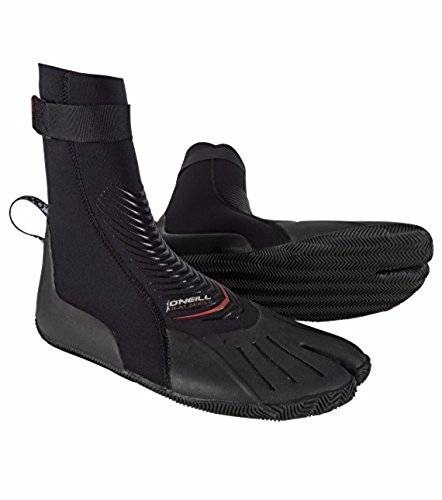
- 3mm neoprene adds dependable warmth.
- Rubber sole improves grip and board feel.
- Snug split-toe fit helps reduce water entry.
Best For: Paddleboarders needing warm, grippy foot protection in cold water.
Deck Storage Pick
Waterproof Paddle Board Cooler Bag

- Stores up to 20 cans with extra pockets.
- Three-layer insulation helps keep items cool.
- Four clips secure it to board D-rings.
Best For: Keeping drinks and small essentials organized on colder paddle sessions.
Head Warmth Pick
3mm Thermal Neoprene Dive Hood

- 3mm neoprene helps retain head warmth.
- Flow vent design reduces trapped air buildup.
- Trim-to-fit face seal supports a closer fit.
Best For: Cold-water paddlers wanting more warmth around the head.
Large Capacity Cooler Pick

- 25L size fits 30+ cans and extra gear.
- Triple-layer insulation claims 12+ hour cooling.
- 4-point mount helps secure it to the board.
Best For: Longer paddle trips that need more insulated storage.
Cold-Water Hand Protection

- Double-lined neoprene build
- Textured palm for extra grip
- Adjustable wrist strap fit
Best For: Cold-water paddlers needing warmer hands and reliable grip
Cold-Water Foot Protection

- 3mm neoprene for warmth
- Anti-slip bottom for traction
- GBS seams reduce water entry
Best For: Paddlers needing warmer feet and more stable footing
Cold-Weather Full Suit
3/2mm Neoprene Wetsuit for Multi-Sport SUP

- 3mm body with 2mm flex zones
- Reinforced knees and seat for durability
- YKK back zipper with locking function
Best For: Paddleboarders needing a full cold-water suit for mixed water sports
Thermal Layer Top
3MM Long Sleeve Wetsuit Top with Front Zipper

- Snug neoprene top for added insulation
- Front zipper simplifies entry and exit
- Good for paddling, kayaking, and layering
Best For: Paddleboarders who want a warm upper-body layer in cold water
Full-Cover Cold Water Suit
3/2mm Men’s Full Wetsuit with Extended Size Options

- 3/2mm neoprene for warmth and flexibility
- Full-body protection from wind and scratches
- 16 sizes including regular, short, and tall
Best For: Men needing a full cold-water wetsuit for paddleboarding and long sessions
Cold-Water Footwear Pick – O'Neill Heat 3mm Split Toe Boot
If you need paddleboarding gear for cold water, these 3mm neoprene boots are built to add warmth, grip, and protection without getting in the way on the board. The split-toe design, textured rubber sole, and quick-dry construction make them a practical choice for chilly launches, rocky entries, and long sessions where traction matters.
Best For: Paddleboarders who want warmer feet, better board feel, and added protection in cold conditions.
Pros:
- 3mm FluidFlex Firewall neoprene helps provide dependable warmth.
- Textured vulcanized rubber sole adds grip and board protection.
- Split-toe design and heel pull tab improve fit and easy on/off.
- Reinforced seams and quick-dry properties support frequent use.
Cons:
- Snug fit may require careful sizing, especially if you’re between sizes.
- Best performance depends on liking a close, performance-oriented boot.
For cold-water paddling, this boot is a straightforward way to stay more comfortable while keeping traction and foot protection in mind. It is a versatile option if you also mix in surfing, snorkeling, boating, or other water sports.
Deck Storage Pick – Waterproof Paddle Board Cooler Bag
For paddleboarding gear for cold water, a deck cooler bag can make longer sessions easier by keeping drinks and snacks close at hand. This waterproof SUP bag adds insulated storage, multiple pockets, and clip-on mounting so your essentials stay organized while you focus on the water.
Best For: Paddleboarders who want a compact, waterproof cooler bag for drinks, snacks, and small essentials.
Pros:
- Fits up to 20 cans with extra pockets for bottles, sunscreen, and snacks.
- Three-layer insulation helps keep contents cool for longer periods.
- Waterproof zipper and TPU/tarpaulin construction protect belongings from splashes.
- Includes 4 clips for easy attachment to D-rings and bungees.
Cons:
- Storage size is more suited to day trips than large group outings.
- Best for boards with compatible attachment points.
This is a useful add-on if you want cold drinks and small items within reach on the board. Its organized storage and simple mounting make it a practical accessory for SUP, kayaking, boating, and beach use.
Head Warmth Pick – 3mm Thermal Neoprene Dive Hood
When building out paddleboarding gear for cold water, head coverage can make a big difference in comfort. This 3mm neoprene hood is designed for thermal insulation, a snug ergonomic fit, and reduced air buildup, making it a solid layer for colder sessions and mixed water sports.
Best For: Paddleboarders who want extra head warmth and a close-fitting hood for cold conditions.
Pros:
- 3mm neoprene provides thermal insulation to help keep your head warm.
- Glued blind stitch construction supports a watertight, comfortable fit.
- Flow vent system helps reduce trapped air.
- Can be trimmed at the face seal for a more personalized fit.
Cons:
- Fit depends heavily on correct sizing and head shape.
- Primarily a thermal accessory rather than a full cold-water system.
If you paddle in colder water often, this hood adds targeted warmth without much complexity. It is a versatile option for anyone who also uses their gear for snorkeling, kayaking, sailing, or surfing.
Large Capacity Cooler Pick – 25L Insulated SUP Deck Bag
For longer paddleboarding gear for cold water outings, this 25L insulated deck bag is built to carry more food and drinks while helping them stay cold. With triple-layer cooling, stable mounting, and multiple carry options, it works well as a board cooler when you want more capacity on extended sessions.
Best For: Paddleboarders who want a larger insulated cooler bag for longer trips and extra supplies.
Pros:
- 25L capacity holds 30+ cans plus snacks, lunch, and small gear.
- Triple-layer insulation helps keep contents cold for 12+ hours.
- 4-point mounting system helps keep the bag secure on the board.
- Top bungee, side pocket, and shoulder strap add storage and portability.
Cons:
- Larger size may be more than you need for short paddles.
- Best suited to boards with D-rings for the mounting system.
This cooler bag is a strong pick if your cold-water sessions last long enough to justify extra food and drink storage. It combines insulation, organization, and board-friendly mounting in one practical package.
Cold-Water Hand Protection – 3mm/5mm Neoprene Gloves
If you need paddleboarding gear for cold water, these 3mm/5mm neoprene gloves are a practical way to keep your hands warmer while improving grip on a wet board, paddle, or other slippery gear. The double-lined neoprene construction, glued and stitched seams, and adjustable wrist strap are all aimed at comfort, warmth, and reduced water entry.
Best For: Cold-water paddlers who want warm hands, extra grip, and a secure fit.
Pros:
- Double-lined neoprene with glued and stitched seams for added durability.
- Textured rubberized palm helps with grip and reduces hand fatigue.
- Adjustable wrist strap helps limit water entry and improve fit.
- Versatile for paddling, kayaking, surfing, snorkeling, and more.
Cons:
- Hand wash only.
- Not a specialized paddleboarding-only design.
- Warmth depends on choosing the right thickness and size.
For cold sessions where your hands get the first blast of wind and spray, these gloves offer a straightforward balance of warmth and control. They’re a useful add-on if you want better paddle handling without giving up too much dexterity.
Thermal Core Layer – 2mm/3mm Wetsuit Jacket
For paddleboarding gear for cold water, a wetsuit jacket like this can add warmth without the full bulk of a full suit. The neoprene top is designed to help reduce cold-water exposure, add buoyancy, and move easily, making it a practical pick for cooler days on the board.
Best For: Paddlers who want a warmer upper-body layer with easy on-off convenience.
Pros:
- Neoprene construction is meant to help keep you warm in cold water.
- Front zipper makes it easier to put on and take off quickly.
- Lightweight design adds buoyancy and freedom of movement.
- Suitable for kayaking, snorkeling, surfing, and paddle-style water sports.
Cons:
- Top-only design, so it does not cover legs.
- Fit depends on checking the size chart carefully.
- At 68°F temperature rating, it’s better suited to temperate water than extreme cold.
This jacket makes sense if you want a simple thermal layer that extends your comfort window without going all-in on a full wetsuit. It’s especially useful for paddlers who value mobility and quick layering.
Cold-Water Foot Protection – 3mm Neoprene Water Socks
If you’re building paddleboarding gear for cold water, neoprene socks can help take the edge off cold deck contact and wet conditions. These 3mm socks are made for warmth, traction, and protection, with a non-slip bottom that can be handy when moving around a board or launch area.
Best For: Cold-water paddlers who want warmer feet and better traction.
Pros:
- 3mm neoprene with 4-way stretchy nylon for comfort and durability.
- Glued blind stitch seams help minimize water ingress.
- Anti-slip textured bottom improves traction and stability.
- Works for kayaking, surfing, snorkeling, and beach water use.
Cons:
- Some water may still enter through seams and ankle area.
- Not intended for rock climbing or smooth boardwalk walking.
- Fit should be checked carefully using the size chart.
These socks are a smart cold-water accessory if your feet tend to get chilled before the rest of you does. They offer a useful mix of warmth and grip for paddlers who want a simple, low-bulk solution.
Cold-Weather Full Suit – 3/2mm Neoprene Wetsuit for Multi-Sport SUP
If you need paddleboarding gear for cold water, this 3/2mm full wetsuit is built to help hold warmth while still leaving room to move. The 3mm neoprene body with 2mm panels in high-flex areas is aimed at comfort during long sessions, and the knee and seat reinforcement make it a practical pick for SUP and other board sports.
Best For: Paddleboarders who want a full-body wetsuit for cold water sessions and mixed water sports.
Pros:
- 3mm neoprene body with 2mm zones for easier bending at the arms and legs
- Wear-resistant knee and buttocks panels add durability for paddleboarding and sitting on a board
- YKK back zipper with locking function and zipper cords for easier on/off
- Smooth skin rubber at the limbs and neckline is designed to help reduce water entry and friction
Cons:
- Back-zip design may not suit buyers who prefer front-entry suits
- Full suit coverage may feel like more than needed for milder water conditions
- Fit can be sensitive, so sizing should be checked carefully
Overall, this is a versatile cold-water option if you want one wetsuit that can cover SUP, kayaking, surfing, snorkeling, and diving. Its durability features and full-body coverage make it a solid practical choice for frequent use.
Thermal Layer Top – 3MM Long Sleeve Wetsuit Top with Front Zipper
For paddleboarding gear for cold water, a thermal top like this can add warmth without switching to a full suit. It uses neoprene with a snug, form-fitting cut, long sleeves, and a front zipper, so it works as a layering piece for cooler sessions where you want insulation and easier movement.
Best For: Paddleboarders who want a warm neoprene top for layering in cold water.
Pros:
- Long-sleeve neoprene top designed to fit tightly for better insulation
- Front zipper makes it easier to put on and take off than pull-over styles
- Flexible construction supports movement for paddling and other water sports
- Also offers UV protection and coverage from jellyfish and sea lice
Cons:
- Top-only design does not provide full-body warmth
- Best fit is intentionally snug, so sizing needs attention
- Not as insulating as a full wetsuit for very cold conditions
This is a useful choice if you want targeted warmth for shoulders and arms without committing to a full suit. It is especially practical for paddling, kayaking, and other active sessions where flexibility matters.
Full-Cover Cold Water Suit – 3/2mm Men’s Full Wetsuit with Extended Size Options
This full suit is a strong fit if you are shopping for paddleboarding gear for cold water and want insulation with mobility. The 3/2mm neoprene build is designed for comfort and flexibility, while the full-body format adds wind protection, warmth, and coverage for longer time on the water.
Best For: Men who want a full wetsuit for cold-water paddleboarding and other extended water sessions.
Pros:
- 3/2mm neoprene construction balances warmth and flexibility
- Full-body coverage adds wind, sunburn, and scratch protection
- Upgraded tank zipper puller makes entry and exit easier
- Available in 16 sizes with regular, short, and tall fits
Cons:
- Full suit coverage may be more than needed for warmer days
- Designed for men, so it is not a unisex fit
- Size selection may take extra care because fit options vary
For paddlers who want a dependable all-around cold-water wetsuit, this model covers the basics well. Its size range and full-suit protection make it especially appealing if you want a more tailored fit for repeated use.
How We Picked the Best Paddleboarding Gear for Cold Water
We focused on Paddleboarding Gear for Cold Water that balances warmth, fit, traction, and versatility. Priority went to items that can improve comfort and safety without adding unnecessary bulk. We also favored gear with clear size options, durable neoprene construction, and features that matter on a board, such as anti-slip soles, sealed seams, secure closures, and storage capacity where relevant.
Quick Comparison
Think of the list in three groups: thermal wear for body heat retention, extremity protection for hands, feet, and head, and onboard accessories for carrying drinks or essentials. If your sessions are mainly windy and damp, a hood, gloves, and neoprene socks can go a long way. For colder water or longer paddles, a full wetsuit or thicker jacket becomes the better foundation.
Key Buying Factors for Paddleboarding Gear for Cold Water
Thickness and Warmth
Neoprene thickness is one of the biggest decisions. Thinner options are better for mild conditions or high-mobility paddling, while thicker pieces offer more insulation for colder launches, longer waits, and early-season use. Match thickness to your local water temperature, not just the air.
Fit and Mobility
Good cold-water gear should fit close to the body without restricting shoulder rotation, bending, or balance. A snug fit helps trap warmth, but overly tight gear can reduce circulation and make paddling less efficient.
Coverage
Start with the areas that lose heat fastest: head, hands, and feet. If you run cold or paddle in shoulder-season conditions, move up to a long-sleeve top, jacket, or full suit. The right layering approach often works better than buying one heavy item.
Traction and Protection
Booties or water socks with anti-slip soles help on slick launches, rocky entries, and wet boards. Look for reinforced soles and sand-resistant designs if you frequently start from beaches or shallow shorelines.
Board-Friendly Accessories
For longer outings, insulated deck bags and cooler bags can be useful for water, snacks, and other essentials. Choose secure attachment points, water resistance, and a size that won’t interfere with standing space or paddle strokes.
Who Should Buy Which Paddleboarding Gear for Cold Water?
Beginners usually benefit most from booties, gloves, and a thermal top because those items are easy to wear, affordable, and immediately useful. Regular paddlers in colder regions should consider a full wetsuit or a thicker neoprene jacket for broader protection. If you mostly paddle in cool but not freezing conditions, lighter layers and targeted extremity protection may be enough. For longer sessions or group outings, a deck cooler or storage bag adds convenience without affecting warmth.
In short, the best setup is the one that matches your local conditions, your tolerance for cold, and how long you stay on the water. Start with the pieces that protect the most vulnerable areas, then add full-body insulation only as conditions demand it.