Cold-water sessions demand the right insulation, fit, and protection from head to toe. The best surfing gear for cold water helps you stay warmer longer, paddle more comfortably, and reduce wind chill between sets.
In this roundup, we focus on practical cold-water essentials that balance warmth, mobility, and durability for surfers who want reliable performance without overbuying.
Best 10 Surfing Gear for Cold Water Picks for 2026
Cold-Water Core Suit
O'Neill Epic 4/3mm Back Zip Full Wetsuit

- 4/3mm full suit for cold-water warmth
- Stretch panels in shoulders, arms, and low body
- Glued and blindstitched seams with back zip entry
Best For: Surfers wanting an easy-entry wetsuit for colder sessions
Cold-Water Boot Pick
O'Neill Heat 5mm Round Toe Boot

- 5mm neoprene built for cold-water warmth
- Textured rubber sole for grip and protection
- Round toe design with easy on/off pull tab
Best For: Cold-water surfers who need warm, grippy booties
Thermal Full Suit Value
QMP Men's 3/2mm Back Zip Wetsuit

- 3/2mm body-mapped neoprene for warmth and mobility
- YKK back zipper with anti-pinch inner flap
- Smoothskin seals and reinforced wear zones
Best For: Cool-water surfers wanting a versatile full wetsuit
Cold-Water Hood Upgrade
O'Neill Psycho 3mm Cold Water Hood

- 3mm hood with insulated Firewall interior
- Adjustable cinch and trimmable visor
- Glued and blindstitched seams reduce flushing
Best For: Surfers wanting extra head warmth in cold water
Thermal Head Coverage
3mm Neoprene Surf Hood for Cold Water

- 3mm neoprene adds thermal insulation.
- Flow vent helps reduce trapped air.
- Trim-to-fit face seal for better contouring.
Best For: Surfers and paddlers needing a warm, flexible hood.
Cold-Water Traction
O'Neill 3mm Split Toe Surf Boot
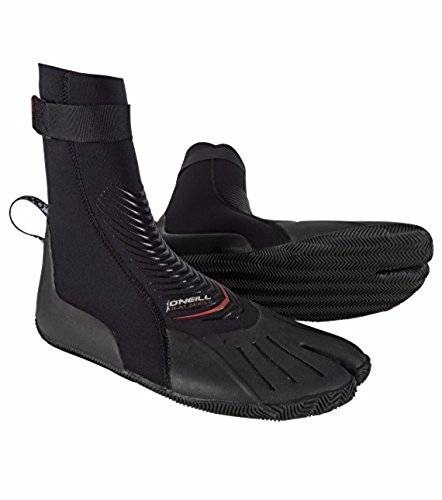
- FluidFlex Firewall neoprene for warmth.
- Textured rubber sole adds grip and protection.
- Split toe design supports board feel and stability.
Best For: Cold-water surfers needing warm, grippy booties.
Warmth-Boosting Hood
XUKER 5/3mm Fleece-Lined Surf Hood

- 5/3mm neoprene for stronger insulation.
- Fleece-lined ears help block cold discomfort.
- Blind stitch build helps durability and lowers water absorption.
Best For: Surfers needing extra ear warmth in very cold water.
Cold-Water Bootie Pick
O'Neill Ninja 3mm Split Toe Neoprene Boot

- 3mm UltraFlex neoprene for stretch and warmth
- Watertight seams with adjustable ankle strap
- Split-toe design and textured sole for grip
Best For: Surfers wanting a secure, warm bootie with strong board feel
Warmth-Layer Sock Pick
nitescuba 2.5mm Neoprene Free Diving Socks

- 2.6mm neoprene helps slow heat loss
- Rubber-print sole improves traction on wet surfaces
- Flatlock stitching with minimal seams
Best For: Thin neoprene sock layer for surfers wanting warmth and foot protection
Cold-Water Hand Protection Pick
O'Neill Psycho Tech 3mm Neoprene Gloves

- Windproof exterior with 3mm TechnoButter 3 Firewall
- Pre-curved fit supports natural movement
- Watertight seams plus tacky palm grip
Best For: Cold-water surfers who need warmth and dexterity in their hands
Cold-Water Core Suit – O'Neill Epic 4/3mm Back Zip Full Wetsuit
If you want surfing gear for cold water that focuses on warmth without making movement feel restricted, this 4/3mm full suit is a solid middle-ground option. It combines stretch in key zones with wind-blocking panels and sealed seams to help keep water out during longer sessions.
Best For: Surfers who want an easy-entry full wetsuit with a warmth-first build for cold conditions.
Pros:
- UltraFlex neoprene in the shoulders, arms, and low body adds stretch where paddling needs it most.
- Fluidflex Firewall and smoothskin neoprene help improve warmth and wind resistance.
- Glued and blindstitched seams, plus a double super seal neck, are designed to reduce flushing.
- Back zipper makes entry and exit simpler for everyday use.
Cons:
- Back-zip design is not as streamlined as zip-free alternatives.
- 4/3mm thickness may be more suit than needed in milder water.
This is a practical choice if you want a reliable full wetsuit that balances warmth, flexibility, and user-friendly features. It also includes abrasion-resistant knee pads and a key pocket, which adds useful everyday convenience.
Cold-Water Boot Pick – O'Neill Heat 5mm Round Toe Boot
For surfing gear for cold water, booties matter when the water, rocks, and board all feel unforgiving. This 5mm round-toe boot is built for warmth, traction, and protection, with a snug wetsuit-like fit and a textured rubber sole for rough surfaces.
Best For: Surfers and paddlers who need warm, grippy booties for cold-water conditions and rocky entries.
Pros:
- 5mm FluidFlex Firewall neoprene is made for dependable cold-water warmth.
- Textured rubber sole adds grip and protection on rocks, reefs, and other hard surfaces.
- Round-toe shape gives a more natural feel with room for toe movement.
- Heel pull tab and hook-and-loop closure make them easier to get on and off.
Cons:
- Best performance depends on a snug fit, so sizing may need careful attention.
- 5mm thickness can feel bulkier than thinner booties in warmer water.
This is a straightforward cold-water accessory if your priority is keeping feet warm while maintaining board feel and traction. The reinforced construction and anti-flush features add practical value for repeated use.
Thermal Full Suit Value – QMP Men's 3/2mm Back Zip Wetsuit
If you’re shopping for surfing gear for cold water on a budget-minded full suit, this 3/2mm option aims to balance warmth and flexibility. The body-mapped thickness, sealing details, and reinforced panels make it a practical pick for cool-water training and mixed water sports.
Best For: Surfers and open-water users who want a thermal full wetsuit with strong seal features and extra reinforcement.
Pros:
- 3/2mm SCR neoprene places more warmth in the torso and more flexibility in the limbs.
- YKK back zipper, anti-pinch layer, and hook-and-loop collar lock support easier entry and secure closure.
- Smoothskin seals at the collar, cuffs, and ankles help reduce flushing.
- Reinforced knees, butt, and inner thighs improve durability in rough use.
Cons:
- 3/2mm thickness may not be enough for the coldest surf conditions.
- Only a one-month warranty is listed in the supplied details.
This suit is best viewed as a versatile cool-water performer rather than a deep-winter specialist. It has the right mix of thermal mapping, sealing, and reinforcement for users who split time across multiple water sports.
Cold-Water Hood Upgrade – O'Neill Psycho 3mm Cold Water Hood
When surfing gear for cold water needs extra head coverage, a hood can make a noticeable difference in comfort and heat retention. This 3mm hood is designed with a snug 3D fit, insulated interior lining, and watertight seam construction to help keep warmth locked in.
Best For: Surfers who want a warm, flexible hood for cold-water sessions with adjustable coverage.
Pros:
- 3mm neoprene with TechnoButter 3 Firewall interior adds lightweight insulation.
- Glued and blindstitched seams help create a watertight seal and reduce chafing.
- Adjustable cinch and trimmable visor allow a more customized fit.
- Wind-proof Smoothskin exterior helps block chill and spray.
Cons:
- Top-only design does not replace a full wetsuit or booties.
- Best suited to cold-water use, not a general all-season accessory.
This hood is a focused add-on for surfers who already have the rest of their cold-water kit and want better protection for the head and ears. The adjustable fit and sealing details make it a useful upgrade for harsh conditions.
Thermal Head Coverage – 3mm Neoprene Surf Hood for Cold Water
If you want surfing gear for cold water that helps take the sting out of wind and chilly spray, this 3mm neoprene hood is built to keep your head warm while staying flexible in the water. It also works across snorkeling, kayaking, sailing, and scuba use, making it a practical add-on for mixed water-sports trips.
Best For: Surfers and multi-sport water users who want a warm, snug hood with ventilation for active sessions.
Pros:
- 3mm neoprene offers thermal insulation for cold-water use.
- Glued blind stitch construction helps create a watertight, comfortable seal.
- Flow vent system reduces trapped air during movement.
- Can be trimmed at the face seal for a more precise fit.
Cons:
- Fit depends on head size, so checking the seller size chart is important.
- Top-only hood design is not a full wetsuit replacement.
This is a solid choice if your priority is retaining warmth around the head without giving up mobility. The added ventilation and flexible fit make it useful for longer sessions in cold conditions.
Cold-Water Traction – O'Neill 3mm Split Toe Surf Boot
For surfing gear for cold water, booties like this O’Neill 3mm split toe model help keep feet warmer while adding grip and protection on board, reefs, and rocks. The snug neoprene build and textured rubber sole make it a practical pick for cold sessions where traction and foot comfort matter.
Best For: Surfers and paddleboarders who need warmth, traction, and reef protection in cold conditions.
Pros:
- FluidFlex Firewall neoprene is designed for dependable cold-water warmth.
- Textured vulcanized rubber sole improves grip and board feel.
- Split toe design supports foot expansion and surface-area grip.
- Heel pull tab makes the boot easier to put on and remove.
Cons:
- Snug fit may require careful sizing, especially if you are between sizes.
- Bootie style may feel more restrictive than barefoot surfing.
If you want a dependable cold-water boot for active water days, this model balances warmth, stability, and protection well. It is especially useful when you need foot grip as much as insulation.
Warmth-Boosting Hood – XUKER 5/3mm Fleece-Lined Surf Hood
If you’re shopping for surfing gear for cold water, this XUKER hood focuses on keeping your head warm with a 5/3mm neoprene build and fleece lining around the ears. It is designed for surf, dive, swim, and kayaking use, so it fits well into a broader cold-weather water kit.
Best For: Water athletes who want extra warmth around the ears and a soft, snug hood for cold sessions.
Pros:
- 5/3mm neoprene provides strong cold-water coverage.
- Fleece lining around the ears helps reduce cold-water discomfort.
- Blind stitch construction adds durability and lowers water absorption.
- Also offers wind blocking and sun protection for long sessions.
Cons:
- Available sizing in the notes is limited to medium.
- Thicker build may feel warmer than some surfers prefer in mild conditions.
This hood is aimed at riders who need more insulation than a basic cap can provide. The fleece-lined ear area is the standout feature if cold water tends to bother you on longer outings.
Cold-Water Bootie Pick – O'Neill Ninja 3mm Split Toe Neoprene Boot
For surfing gear for cold water, these 3mm split-toe neoprene boots are built to help keep your feet warmer, cut down on water entry, and improve board feel. The snug fit, watertight seams, and textured sole make them a practical option when you want warmth without losing too much sensitivity underfoot.
Best For: Surfers and paddlers who want a secure, warm bootie with strong grip and good board feel.
Pros:
- 3mm UltraFlex neoprene offers stretch and cold-water comfort.
- Watertight seams and adjustable ankle strap help reduce flushing.
- Split-toe shape and micro-diamond sole improve grip and sensitivity.
- Krypto Armor top-foot reinforcement adds durability and abrasion protection.
Cons:
- Snug fit may require careful sizing.
- Low-profile boot design may not provide as much bulked-up insulation as thicker options.
This is a solid cold-water bootie if you want a secure, performance-first fit for surf sessions and other board sports. It focuses on warmth, traction, and durability rather than maximum thickness.
Warmth-Layer Sock Pick – nitescuba 2.5mm Neoprene Free Diving Socks
If you need surfing gear for cold water that adds warmth without taking up much room, these 2.5mm neoprene socks are a simple layer to consider. They are designed to help slow heat loss, protect your feet from bumps, and provide extra friction on wet surfaces.
Best For: Surfers and swimmers looking for thin neoprene socks that add warmth, foot protection, and traction.
Pros:
- 2.6mm neoprene helps retain warmth in cold water.
- Reinforced rubber-print sole adds grip on slippery surfaces.
- Flatlock stitching and minimal seams support durability and comfort.
- Works for surfing, snorkeling, swimming, and fin use.
Cons:
- Thin sock format offers less protection than full booties.
- Fit depends on choosing the right size from the chart.
These socks make sense if you want a lightweight thermal layer for colder sessions and don’t need the structure of a full boot. They are best viewed as a versatile comfort and protection add-on.
Cold-Water Hand Protection Pick – O'Neill Psycho Tech 3mm Neoprene Gloves
For surfing gear for cold water, gloves can make a big difference when temperatures drop and dexterity starts to fade. These 3mm neoprene gloves use a windproof exterior, watertight seam construction, and a tacky palm to help keep hands warmer while preserving grip and control.
Best For: Surfers and other watersports users who want warmth, grip, and flexible hand movement in frigid water.
Pros:
- 3mm TechnoButter 3 Firewall helps reduce cold-water numbing.
- Pre-curved anatomical fit supports natural hand movement.
- Fluid Weld seams and O-Ring wrist seal help limit flushing.
- Tacky palm improves board control and dexterity.
Cons:
- 3mm thickness may not be enough for the coldest conditions.
- Fitted design may feel restrictive if you prefer a looser glove.
This is a strong cold-water glove choice if you want a balance of warmth and performance rather than maximum bulk. It’s aimed at keeping your hands functional during long sessions in chilly conditions.
How We Picked the Best Surfing Gear for Cold Water
We prioritized the most important cold-water categories: full suits, boots, hoods, gloves, and socks. The best Surfing Gear for Cold Water should help seal in heat, limit flushing, and still let you move naturally on the board. We also looked for materials, thickness options, sole grip, seam design, and fit-friendly details that matter in real surf conditions.
Quick Comparison: What Each Layer Does
Think of cold-water surf protection as a system. A wetsuit provides the core insulation, while boots protect against numb feet and reef contact. Hoods reduce heat loss through the head, gloves preserve paddle power in frigid water, and socks can fine-tune fit or add a thin warmth layer inside boots. Not every surfer needs every piece, but each one solves a specific comfort problem.
Key Buying Factors for Surfing Gear for Cold Water
Thickness and Water Temperature
Wetsuit and accessory thickness should match your local water temps and wind exposure. Thicker neoprene generally means more warmth, but it can also reduce flexibility. If you surf in mixed conditions, a balanced option often gives better overall use than the warmest possible piece.
Fit and Seal
Fit is everything in Surfing Gear for Cold Water. A snug seal helps prevent cold water from flushing in and out, which can drain body heat quickly. Pay close attention to neck, wrist, ankle, hood, and boot openings so you get warmth without painful restriction.
Traction and Durability
Boots need a sole that grips slippery rocks, waxed boards, and wet decks. Gloves and boots should also be durable enough to handle repeated saltwater exposure, sand, and pulling on and off before and after sessions.
Mobility and Feel
Extra warmth is only useful if you can still paddle, pop up, and adjust your stance. Look for gear that offers enough stretch for your surfing style, especially in the shoulders, feet, and hands where mobility affects performance most.
Who Should Buy Which Surfing Gear for Cold Water?
If you want the biggest overall warmth upgrade, start with a well-fitting full wetsuit, then add boots for colder mornings and reefy breaks. Surfers dealing with bite-level wind chill should prioritize a hood next. If your hands or feet go numb first, gloves and socks can make a noticeable difference without forcing you into a heavier suit. For many surfers, the smartest approach is to build the system gradually based on the coldest part of the season and the weak points in your current setup.