Winter surf can be some of the best surf of the year, but only if your gear can handle the cold. The right setup keeps you warmer, reduces fatigue, and helps you stay in the water longer.
This roundup focuses on practical surfing gear for winter that balances insulation, fit, and flexibility so you can match your protection to your water temperature and session length.
Best 10 Surfing Gear for Winter Picks for 2026
Entry-Level Winter Value
O'Neill Reactor-2 3:2mm Back Zip Full Wetsuit

- 3:2mm full suit for lightweight warmth
- Ultra stretch neoprene for flexibility
- Back zip for easier entry and exit
Best For: Budget-conscious surfers needing a warm, flexible starter wetsuit
Lightweight Head Warmth

- 1.5mm neoprene for light insulation
- Flatloc stitched construction
- Includes UV protection
Best For: Surfers wanting low-bulk head coverage for mild cold
Cold-Water Traction
O'Neill Heat 3mm Split Toe Boot
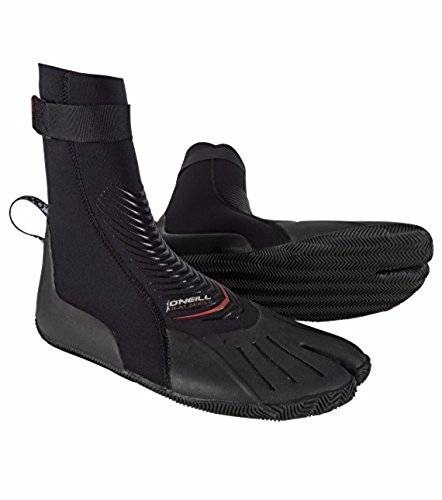
- 3mm neoprene for cold-water warmth
- Textured sole for grip and board feel
- Split toe design with heel pull tab
Best For: Surfers needing warm, grippy boots for cold conditions
Wet Gear Cleanup
IslandMat Waterproof 2-in-1 Surf Bag

- Waterproof design helps contain saltwater and sand
- Fits 2 to 3 wetsuits or a full kit
- Converts from mat to carry bag
Best For: Surfers who want a cleaner changing and transport solution
Cold-Water Foot Protection
O'Neill Ninja 3mm Split Toe Neoprene Boot

- 3mm UltraFlex neoprene adds cold-water comfort.
- Watertight seams and ankle strap help block water entry.
- Split-toe design and textured sole improve grip.
Best For: Surfers needing warmer feet and reliable board feel in winter.
Lightweight Core Layer
O'Neill Reactor-2 2mm Wetsuit Vest
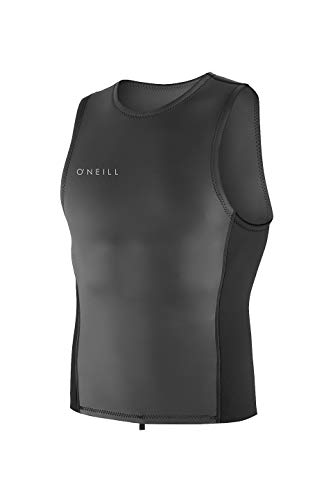
- 2mm Fluidflex neoprene adds lightweight warmth.
- Windproof smoothskin supports colder sessions.
- Boardshort connector helps keep the vest in place.
Best For: Active surfers wanting a warm, flexible layering piece.
Thermal Sock Layer

- 1mm neoprene core with three insulation layers.
- Frictionless exterior makes donning easier.
- Split-toe and round-toe options fit different boot styles.
Best For: Surfers adding warm, easy-to-wear insulation for cold water.
Cold-Water Head Coverage

- 3mm thermal neoprene for cold water
- Glued blind stitch for a snug seal
- Flow vent helps reduce trapped air
Best For: Surfers and paddlers needing head warmth in winter water
Hand Warmth and Grip

- 3mm warmth for cold-water sessions
- Pre-curved fit helps reduce fatigue
- Tacky palm improves board control
Best For: Cold-water surfers who need warmth and grip
Head and Face Protection
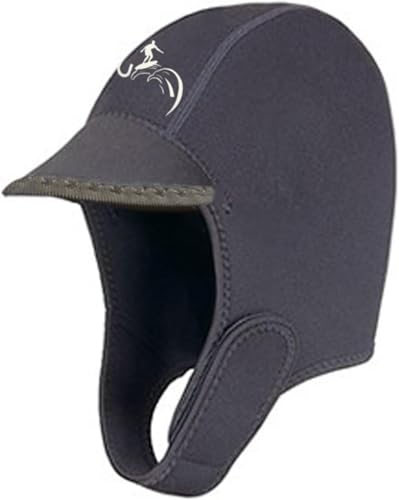
- 2mm neoprene helps retain heat
- Wide brim adds sun coverage
- Adjustable chin fit for comfort
Best For: Surfers wanting a lighter winter head cover
Entry-Level Winter Value – O'Neill Reactor-2 3:2mm Back Zip Full Wetsuit
If you need surfing gear for winter without overspending, this O’Neill Reactor-2 full wetsuit is a practical place to start. The 3:2mm neoprene build aims to balance warmth and flexibility, while the back zip makes it easier to get in and out after cold sessions.
Best For: New or budget-minded surfers wanting an entry-level full wetsuit for cold-water sessions and other water sports.
Pros:
- 3:2mm full suit offers lightweight warmth for colder conditions.
- Ultra stretch neoprene and seamless paddle zones support mobility.
- Back zip closure makes entry and exit simpler.
- Wind-resistant smoothskin adds extra insulation and cold protection.
Cons:
- Back-zip design may not appeal to surfers who prefer a minimal front-entry feel.
- As an entry-level suit, it focuses on value rather than premium-level features.
Overall, this is a straightforward winter surfing option if you want dependable warmth, easy wear, and a flexible feel for surf sessions plus other board and beach activities.
Lightweight Head Warmth – O'Neill Thinskins 1.5mm Hood
For surfing gear for winter when you want a little extra insulation without adding much bulk, this 1.5mm hood is a simple add-on. It uses Metal Lite neoprene and flatloc stitching, so it is aimed at light warmth and basic UV protection rather than heavy cold-water coverage.
Best For: Surfers and water users who want a low-profile hood for mild cold, wind protection, and extra head coverage.
Pros:
- 1.5mm neoprene adds light insulation without much bulk.
- Flatloc stitching supports a simple, lightweight construction.
- Metal Lite material includes UV protection.
Cons:
- No warranty is listed in the supplied details.
- Provides less warmth than thicker cold-water hoods.
This is a minimal, practical accessory if your winter setup only needs a small boost in head warmth and sun protection rather than a heavy-duty thermal layer.
Cold-Water Traction – O'Neill Heat 3mm Split Toe Boot
When surfing gear for winter needs to protect your feet, this 3mm split toe boot is built for warmth, grip, and board feel. It uses lightweight FluidFlex Firewall neoprene, a textured vulcanized rubber sole, and reinforced seams to help handle cold water and rough surfaces.
Best For: Surfers who need warm, grippy boots for cold-water sessions, reefy entries, and mixed water activities.
Pros:
- 3mm neoprene construction is designed for dependable cold-water warmth.
- Textured vulcanized sole adds grip and board protection.
- Split toe design and heel pull tab improve fit and ease of use.
- Reinforced seams help limit water entry and extend durability.
Cons:
- Snug fit may require sizing down if you are between sizes.
- Boot style adds more coverage than minimalist surf footwear.
For winter surf days where foot warmth and traction matter, this boot is a solid functional choice that stays focused on cold-water performance.
Wet Gear Cleanup – IslandMat Waterproof 2-in-1 Surf Bag
Winter surf sessions usually mean wet wetsuits, sandy gear, and a damp car interior, and this 2-in-1 mat bag is made to help with exactly that. It converts from a changing mat into a waterproof surf bag, giving you a cleaner way to change and transport up to three suits or a full kit.
Best For: Surfers and multi-sport water athletes who want an easy way to change, carry wet gear, and keep their car dry.
Pros:
- Waterproof construction helps keep saltwater and sand contained.
- 32-inch size with 4-inch walls fits 2 to 3 wetsuits or a full kit.
- Folds into a changing mat bag for simpler one-piece transport.
- Includes shoulder strap, carry handles, and a stash pocket.
Cons:
- At 1.3 pounds, it is not as ultra-light as a basic tote.
- Single-compartment design keeps organization simple, not segmented.
This is a smart support piece for winter surf trips if you want to keep wet gear organized, protect your car, and make changing in rough conditions less messy.
Cold-Water Foot Protection – O'Neill Ninja 3mm Split Toe Neoprene Boot
If you want surfing gear for winter that helps keep your feet warmer without sacrificing board feel, these 3mm split-toe boots are built for the job. The snug fit, watertight seams, and lightweight sole focus on comfort, traction, and reduced water entry during cold-water sessions.
Best For: Surfers who want warm, secure-fitting boots for colder sessions, paddleboarding, and other water sports.
Pros:
- 3mm UltraFlex neoprene provides stretch and cold-water comfort.
- Watertight seams and ankle strap help limit water entry.
- Split-toe shape and micro-diamond sole improve grip and board feel.
- Krypto Armor adds abrasion protection over the top of the foot.
Cons:
- Designed to fit snugly, so sizing can be important.
- Best performance depends on finding the right fit, especially if between sizes.
For winter surf sessions where foot warmth and board sensitivity both matter, this boot keeps the focus on practical performance details. It is a strong pick if you want a versatile water boot that balances warmth, traction, and durability.
Lightweight Core Layer – O'Neill Reactor-2 2mm Wetsuit Vest
For surfing gear for winter that adds warmth without feeling bulky, this 2mm pullover vest is a straightforward layer option. It uses Fluidflex neoprene, windproof smoothskin, and flatlock seams to focus on comfort, flexibility, and light insulation for cold sessions.
Best For: Surfers and paddlers who want a flexible warmth layer for chilly conditions and active movement.
Pros:
- 2mm Fluidflex neoprene adds lightweight warmth.
- Windproof smoothskin helps with cold exposure.
- Flat lock seams and strategic seam placement improve comfort and mobility.
- Built-in boardshort connector helps keep it from riding up.
Cons:
- It is a sleeveless top-only vest, so it does not provide full upper-body coverage.
- Warmth is lighter than thicker winter wetsuit layers.
This vest makes sense when you want a flexible layer that boosts warmth without limiting movement. It is especially useful as part of a layered setup for colder water or windy surf days.
Thermal Sock Layer – Wetsox Thermals Wetsuit Socks
If your surfing gear for winter needs an easy way to keep feet warmer, these thermal wetsuit socks add insulation without making gear changes difficult. The 1mm neoprene core, multi-layer insulation, and frictionless exterior are designed for cold-water comfort and smoother on-off transitions with boots or wetsuits.
Best For: Surfers who want insulated socks for colder water, especially when paired with boots.
Pros:
- 1mm neoprene core with three layers of insulation helps retain warmth.
- Frictionless exterior makes them easier to slide into boots or wetsuits.
- Four-way stretch and over-the-calf fit help reduce slipping and bunching.
- Available in split-toe and round-toe styles to match boot preference.
Cons:
- Lightweight build means they are an insulating layer, not a stand-alone winter barrier.
- Best results depend on pairing with compatible boots or wetsuit gear.
These socks are a practical add-on when cold water makes foot comfort a priority. They are especially appealing if you want extra insulation and an easier fit without having to size up your boots.
Cold-Water Head Coverage – 3mm Neoprene Hood for Surfing
If you need surfing gear for winter that helps keep heat in at the head, this 3mm neoprene hood is built for cold-water use. The thermal neoprene, glued blind stitch seams, and flow vent system are all aimed at comfort, insulation, and reduced air buildup during sessions.
Best For: Surfers, kayakers, and other water users who want a warm, flexible hood for cold conditions.
Pros:
- 3mm thermal neoprene helps keep your head warm in cold water
- Glued blind stitch construction is designed for a snug, watertight feel
- Flow vent system helps reduce trapped air for smoother movement
- Versatile enough for surfing, snorkeling, sailing, kayaking, and more
Cons:
- Fit depends on head size, so checking the size chart matters
- Trim-to-fit face seal may require a little setup
This is a practical cold-water accessory if your priority is reducing heat loss around the head rather than adding bulk. It’s especially useful for winter surf sessions where a simple, flexible hood can make a noticeable difference.
Hand Warmth and Grip – Psycho Tech 3mm Surf Gloves
For surfing gear for winter, gloves are often the difference between staying out longer or heading in early. These 3mm O’Neill gloves are designed for cold-water performance with a pre-curved fit, waterproof construction, and a tacky palm grip for board control.
Best For: Cold-water surfers who want warmth, dexterity, and better grip during winter sessions.
Pros:
- 3mm cold-water design with windproof exterior and TechnoButter 3 Firewall
- Pre-curved shape supports natural hand movement and reduces fatigue
- Tacky palm improves board control and dexterity
- Fluid Weld seams and O’Ring wrist seal help block flushing
Cons:
- Hand wash only, so care is a little more involved
- Medium sizing may not suit every hand shape
These gloves focus on performance rather than just basic insulation, so they make sense for surfers who want usable warmth without giving up too much feel on the board. The secure wrist seal and grip-oriented build are especially relevant in frigid conditions.
Head and Face Protection – 2mm Surfing Beanie with Brim
If you’re shopping for surfing gear for winter, a lightweight cap can help with heat retention without going full hood. This 2mm neoprene beanie uses stretchy neoprene and a wide brim design to help lock in warmth while adding some sun protection and comfort.
Best For: Surfers and paddlers who want a lighter head covering with warmth and brim protection.
Pros:
- 2mm neoprene helps reduce heat loss in cold weather
- Wide brim adds extra coverage from sun exposure
- Adjustable chin system helps improve fit
- Stretchy neoprene and nylon construction is built for flexibility and durability
Cons:
- Less coverage than a full hood for very cold water
- XL sizing may not work for smaller heads
This beanie is a good middle-ground option when you want some winter warmth but still prefer a lighter feel than a full hood. It suits surfers who value simple protection and a flexible fit for a range of water activities.
How We Picked the Best Surfing Gear for Winter
We focused on Surfing Gear for Winter that solves the biggest cold-water problems: heat loss through the head, hands, feet, and core. We also favored pieces with surf-friendly features like secure fit, flexible neoprene, textured soles, and easy on-off design. Because winter conditions vary widely, the list includes both full-coverage options and add-ons you can layer based on your local water temperature.
Quick Comparison: What Each Type Does Best
A full wetsuit is your foundation for winter warmth, while boots, gloves, hoods, and socks fill the gaps that most body heat escapes through. Changing mats and wetsuit bags are not insulation pieces, but they matter in winter because they help keep wet gear organized and make cold beach transitions cleaner and faster. If you run cold, layering a hood, gloves, and boots over your suit often makes more difference than jumping to a thicker suit alone.
Key Buying Factors for Surfing Gear for Winter
Thickness and Warmth
Neoprene thickness affects both insulation and flexibility. Thicker gear usually means more warmth, but it can reduce mobility. For winter surf, choose thickness based on your water temp, wind exposure, and how long you stay out.
Fit and Seal
Cold water gets in through loose cuffs, gaps around the neck, and poorly fitting gloves or boots. A snug fit without pinching is essential for any winter surf setup, especially if you want to avoid flushing.
Coverage by Priority Zone
Hands, feet, and head often feel cold first. If your torso is already covered, upgrading boots, gloves, or a hood may be the smartest next step for Surfing Gear for Winter.
Traction and Durability
Textured soles, split-toe designs, and reinforced materials can improve board feel and reduce wear from sand, rocks, and repeated sessions. Winter gear also takes more abuse from changing in harsh conditions, so durability matters.
Who Should Buy Which Surfing Gear for Winter?
If you want one all-around starting point, choose a full wetsuit first, then add boots and a hood for colder mornings. Surfers in milder winter climates may prefer a lighter suit with a vest or thin hood for flexible warmth. If your hands and feet are the main issue, prioritize gloves, boots, and socks before buying thicker core insulation. And if you surf frequently in cold, windy conditions, a complete layered setup is usually the most comfortable and cost-effective solution.
For the best results, build your kit around the coldest conditions you actually surf, not the average day. That approach helps you get the most value from Surfing Gear for Winter without overbuying for warmth you may not need.