Stick welding demands gear that can handle heat, spatter, grip changes, and long sessions without getting in the way. The right setup can make strikes more consistent and help you work safer and faster.
In this roundup, we focus on welding gear for stick welding that balances protection, comfort, durability, and electrode performance for everyday shop and jobsite use.
Best 10 Welding Gear for Stick Welding Picks for 2026
Heavy-Duty Forearm Protection
RAPICCA 16-inch Fireproof Leather Gloves
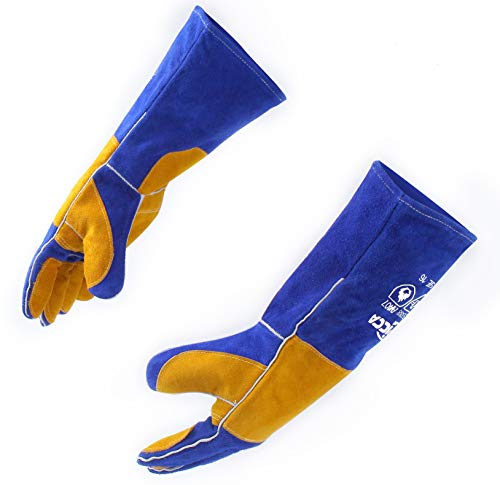
- 16-inch cuff protects forearms
- Heat resistant up to 932°F
- Kevlar stitching and reinforced padding
Best For: Stick welders needing long-cuff heat protection
Low-Hydrogen Rod Choice
ARCCAPTAIN E7018 3/32 Inch Welding Rods

- Low-hydrogen E7018 electrode
- Smooth arc with less spatter
- Good for structural steel and frame repair
Best For: Structural steel and low-hydrogen stick welding
Classic Shop Glove
Lincoln Electric 14-inch Lined Leather Gloves
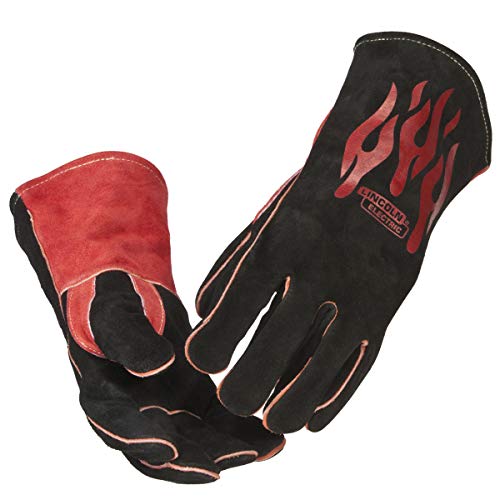
- 14-inch lined leather build
- Kevlar stitching for durability
- Comfortable straight-thumb design
Best For: Everyday stick welders who want a proven glove
Breathable Utility Pick
Miller 13-inch Blue-Black MIG/Stick Gloves

- Pigskin glove with reinforced palm
- Breathable, insulated, fire-resistant build
- Machine washable for easier care
Best For: Welders wanting a lighter glove for stick work
Low-Hydrogen Stick Electrode Pick
YESWELDER E7018 1/8'' 5LB Welding Rods

- Low-hydrogen E7018 rod for strong carbon-steel welds.
- All-position use with AC or DC reverse polarity.
- Steady arc with low spatter and easy re-striking.
Best For: All-position stick welding on medium-grade carbon steel
Heavy-Duty Hand Protection
Black Stallion Leather Welding Gloves
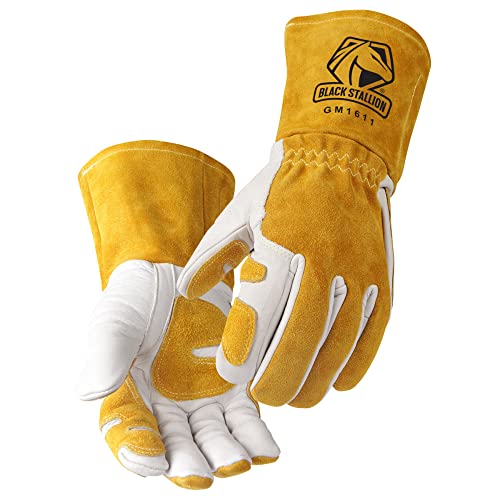
- Top-grain cowhide helps shield against sparks and heat.
- Reinforced palm, thumb, and index finger for abrasion resistance.
- Kevlar stitching and padded areas add durability.
Best For: Welders needing durable hand protection for sparks and slag
Vacuum-Packed Electrode Choice
E7018 H4R 1/8” 5 lb Stick Rods
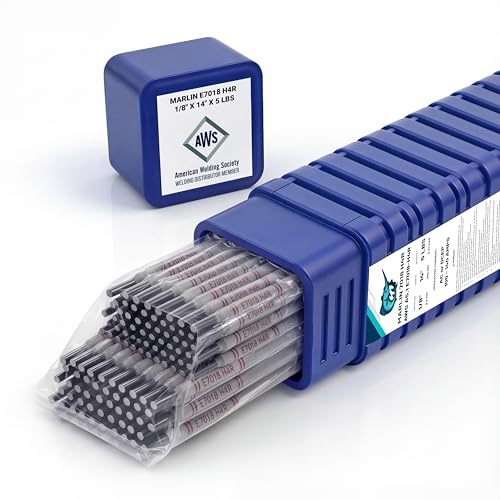
- AWS-compliant low-hydrogen E7018 stick electrodes.
- Vacuum-packed to help block moisture.
- All-position use with AC or DC welders.
Best For: Dry-storage sensitive stick welding on structural carbon steel
Best with Extra Features
14-Inch Leather Welding Gloves

- 14-inch cuff for added forearm coverage
- 1.2 mm cowhide with heat resistance up to 662°F
- Kevlar stitching and cotton liner for durability and comfort
Best For: Stick welding and other high-heat shop tasks
Easy-Starting Electrode

- All-position E6013 rods for AC and DC welders
- Easy arc starting with little spatter
- Works well on clean or lightly rusted mild steel
Best For: Beginners and light fabrication jobs
Women’s Fit Work Gloves
Jessi Combs MIG/Stick Welding Gloves
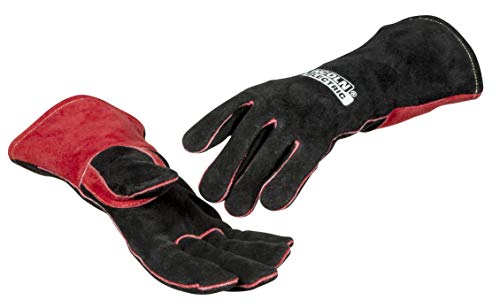
- Sized for women’s and children’s hands
- Split cowhide with Kevlar stitching for durability
- Cotton liner and straight thumb for comfort
Best For: Smaller-handed welders doing stick, MIG, or flux-core work
Heavy-Duty Forearm Protection – RAPICCA 16-inch Fireproof Leather Gloves
If you want welding gear for stick welding that prioritizes coverage and heat resistance, these RAPICCA gloves are built for demanding shop and field use. The 16-inch length, reinforced leather padding, and lined construction make them a practical pick for handling sparks, spatter, and hot material during SMAW work.
Best For: Welders who want long-cuff hand and forearm protection for stick, MIG, and flux-core work.
Pros:
- 16-inch length with 7.5-inch sleeves helps protect forearms from sparks and grinding debris.
- Fire-resistant leather, aluminum foil middle layer, and cotton liner are rated up to 932°F.
- Kevlar stitching and double-reinforced stress points add durability for tough jobs.
- Still aims to preserve fingertip sensitivity for tool handling and detailed work.
Cons:
- Heavy-duty build may feel bulkier than shorter, lighter gloves.
- Single-pack format means you’re only getting one pair.
Overall, these are a strong option when protection matters more than compact feel, especially if you regularly weld in positions where your forearms are exposed. They also suit other hot-task use, but their main appeal is straightforward stick welding coverage.
Low-Hydrogen Rod Choice – ARCCAPTAIN E7018 3/32 Inch Welding Rods
For welding gear for stick welding, the electrode you choose matters as much as the machine and gloves. These ARCCAPTAIN E7018 rods are a practical low-hydrogen option for structural steel and other carbon steel work, with a stable arc and low spatter that can make stick welding easier to control.
Best For: Structural steel, frame repair, and other low-hydrogen stick welding jobs.
Pros:
- Low-hydrogen E7018 design is aimed at high-quality welds with fewer defects.
- Suitable for AC or DC reverse polarity and any-position welding.
- Promotes a smooth, stable arc with less spatter.
- Works on low, medium, and high carbon steels plus structural components.
Cons:
- Best suited to steel work rather than general-purpose hobby use across many materials.
- 3/32-inch size may not fit every job or machine setup.
This is a solid stick rod for users focused on weld quality and consistency, especially where cracking resistance and structural performance are important. If your projects involve frames, pipe, or support structures, it fits the job well.
Classic Shop Glove – Lincoln Electric 14-inch Lined Leather Gloves
If you need reliable welding gear for stick welding without overcomplicating the choice, these Lincoln Electric gloves are a straightforward shop staple. The 14-inch lined leather build, Kevlar stitching, and straight-thumb design make them suited to everyday SMAW work and other high-heat welding tasks.
Best For: Fabricators and welders who want a durable everyday glove for stick, MIG, and flux-core welding.
Pros:
- High-grade leather exterior with soft cotton liner for heat resistance and comfort.
- Kevlar threading and leather-reinforced stress points support daily industrial use.
- 14-inch length gives solid coverage while staying less bulky than extra-long gloves.
- Straight thumb and inner twill cuff help comfort and moisture absorption.
Cons:
- Shorter cuff than 16-inch gloves offers less forearm coverage.
- Care instructions say do not wash, so maintenance is limited.
These gloves are a practical middle ground for frequent welding work: protective enough for shop use, but not as oversized as heavy-duty gauntlet styles. They make sense if you want a trusted name and a simple, proven design.
Breathable Utility Pick – Miller 13-inch Blue-Black MIG/Stick Gloves
When shopping for welding gear for stick welding, it helps to balance protection with wearability during longer sessions. These Miller gloves use pigskin leather, a reinforced palm, and a breathable, insulated build that fits stick and MIG work while keeping the glove lightweight enough for regular use.
Best For: Welders who want a breathable, insulated glove for stick and MIG jobs.
Pros:
- Pigskin construction with reinforced stitching and palm support for durability.
- Breathable, insulated, fire-resistant materials suit hot welding tasks.
- Fleece/foam liner adds comfort and padding.
- Machine washable for easier care than many leather welding gloves.
Cons:
- 13-inch length offers less forearm coverage than longer gauntlet gloves.
- Wing thumb style may not suit everyone’s preferred feel.
This is a good option if you want a lighter, more breathable glove for general welding use and easier maintenance. It’s especially appealing for users who value comfort and flexibility during routine stick welding tasks.
Low-Hydrogen Stick Electrode Pick – YESWELDER E7018 1/8'' 5LB Welding Rods
If you’re comparing welding gear for stick welding, this YESWELDER E7018 pack is aimed at cleaner, stronger welds on carbon steel. It’s a low-hydrogen electrode with a steady arc, low spatter, and good re-striking ability, making it a practical choice for all-position work with AC or DC reverse polarity.
Best For: Welders who want a versatile E7018 rod for medium-grade carbon steel, structural work, and all-position stick welding.
Pros:
- Low-hydrogen iron powder electrode for high-quality welds.
- All-position use on AC or DC reverse polarity current.
- Steady arc, low spatter, and excellent re-striking ability.
- Works on medium-grade carbon steels and cold rolled steels with porosity concerns.
Cons:
- Best suited to carbon steel applications rather than general-purpose materials.
- Requires selecting the right amperage range for the 1/8" rod size.
This is a solid option when your stick welding setup calls for dependable low-hydrogen rods and cleaner-looking welds. The 5 lb pack and broad application range make it useful for fabrication, structural jobs, and repair work.
Heavy-Duty Hand Protection – Black Stallion Leather Welding Gloves
Good welding gear for stick welding should protect your hands from sparks, slag, and heat without feeling flimsy. These Black Stallion cowhide gloves use top-grain leather, reinforced patches, and Kevlar stitching to add heat resistance and abrasion protection where welding work is hardest on the hands.
Best For: Welders who want durable leather gloves with extra reinforcement for sparks, slag, and handling metal.
Pros:
- Cowhide leather helps shield hands from sparks, slag, and radiant heat.
- Reinforced palm, thumb, and index finger add abrasion resistance.
- Kevlar stitching helps keep seams from melting or igniting.
- DragPatch side padding and wrist padding add insulation and support.
Cons:
- Not waterproof.
- Designed as a welding glove, so it may be more protective than needed for light tasks.
For shop or field welding, these gloves lean into durability and heat shielding rather than lightweight flexibility. They’re a practical pick when your priority is protection, reinforced wear points, and comfortable coverage during routine welding work.
Vacuum-Packed Electrode Choice – E7018 H4R 1/8” 5 lb Stick Rods
When you want welding gear for stick welding that arrives ready to use, this E7018 H4R pack stands out for its vacuum-packed, moisture-blocking storage. It’s an AWS-compliant low-hydrogen electrode designed for all-position welding on AC or DC machines, with a smooth, stable arc and low spatter for cleaner results.
Best For: Welders who need dry, low-hydrogen E7018 rods for structural, fabrication, and field applications.
Pros:
- AWS-compliant E7018 low-hydrogen electrode.
- Vacuum-packed packaging helps keep rods dry and ready to use.
- All-position use with AC and DC welders.
- Smooth arc, low spatter, and easy slag removal.
Cons:
- Still requires the right stick welding setup and amperage for the 1/8" rods.
- Focused on carbon steel applications rather than broad multi-material use.
This is a smart pick if storage conditions matter and you want a rod pack that emphasizes low-hydrogen performance. The sealed packaging and code-oriented welding claims make it especially appealing for repair, fabrication, and structural jobs.
Best with Extra Features – 14-Inch Leather Welding Gloves
If you want welding gear for stick welding that puts forearm coverage and heat resistance first, these 14-inch leather gloves are built for the job. The split cowhide construction, Kevlar stitching, and cotton lining are aimed at handling sparks, spatter, and hot surfaces while still keeping the fit workable during long sessions.
Best For: Stick welders who want long cuff protection, solid heat resistance, and a durable leather glove for shop or outdoor work.
Pros:
- 1.2 mm cowhide leather with heat resistance up to 662°F.
- 14-inch cuff helps protect the forearm from sparks and debris.
- Kevlar stitching adds durability at the seams.
- Cotton liner helps absorb sweat and improve comfort.
Cons:
- Not waterproof, so wet conditions are not its strength.
- Heavy-duty build may feel less flexible than lighter gloves.
- Designed as a general-purpose glove, not a specialized precision welding option.
Overall, this is a practical protective glove for welders who value coverage and toughness over a slim feel. It fits best in demanding stick welding environments where forearm protection matters.
Easy-Starting Electrode – E6013 3/32-Inch Welding Rods
For welding gear for stick welding, E6013 rods are a straightforward choice when you want an easy arc and clean-looking results. These 3/32-inch mild steel electrodes are meant for AC and DC machines, with an especially good fit for low-voltage AC welders and general-purpose work on clean or lightly rusted steel.
Best For: Beginners and general fabrication work where easy arc starting and smooth slag removal are important.
Pros:
- Easy arc starting with stable performance.
- All-position welding makes it versatile for common jobs.
- Produces little spatter and a smooth weld bead.
- Slag is readily removable, which helps cleanup.
Cons:
- Best suited to clean or lightly rusted mild steel rather than heavy prep work.
- 1 lb package is relatively small for frequent users.
- General-purpose rod, so it is not the most specialized option for demanding structural jobs.
These rods make sense if you want a forgiving stick welding electrode for maintenance, repair, and light fabrication. They are especially appealing when ease of use matters more than specialized performance.
Women’s Fit Work Gloves – Jessi Combs MIG/Stick Welding Gloves
If you are shopping for welding gear for stick welding and need a smaller fit, these Lincoln Electric Jessi Combs gloves are sized for women’s or children’s hands. They use split cowhide, Kevlar stitching, and a cotton liner to handle heat, flames, spatter, and sparks while keeping comfort and fingertip feel in mind.
Best For: Women or smaller-handed welders who want a true-to-size glove for stick, MIG, or flux-core work.
Pros:
- Sized for women’s and children’s hands.
- High-grade leather and Kevlar threading support industrial durability.
- Soft cotton liner adds comfort and moisture absorption.
- Straight thumb design improves comfort and fingertip sensitivity.
Cons:
- Hand wash care is less convenient than machine-washable options.
- Not waterproof, so dry-use environments are best.
- Medium size may not work for all hand shapes even with the smaller fit focus.
This glove is a strong pick if standard welding gloves feel oversized. It balances protection and comfort in a format that is specifically intended for smaller hands and everyday fabrication use.
How We Picked the Best Welding Gear for Stick Welding
We looked for practical, job-ready Welding Gear for Stick Welding with a focus on heat resistance, coverage, durability, and real-world usability. For gloves, that meant leather quality, cuff length, dexterity, stitching, and how well they protect against spatter. For rods, we prioritized electrode type, diameter, low-hydrogen performance, storage protection, and suitability for common SMAW tasks.
Quick Comparison: Gloves Vs. Electrodes
Not all stick welding gear serves the same purpose. Gloves affect comfort, safety, and control every time you weld, while electrodes determine arc behavior, penetration, and how forgiving the weld is on dirty or rusty steel. If your priority is safer handling and less fatigue, start with gloves. If you need better weld quality or easier starts, choose rods that match your machine, metal thickness, and skill level.
Key Buying Factors for Welding Gear for Stick Welding
Heat and Spatter Protection
Stick welding throws more spatter and radiant heat than many beginners expect. Look for gloves with long cuffs, reinforced palms, and full leather coverage. Higher heat ratings are useful, but fit and coverage matter just as much.
Dexterity and Fit
Overly bulky gloves can make rod handling and clamp work frustrating. A good fit lets you hold electrodes securely without sacrificing protection. Women’s and unisex sizing options can improve comfort and control.
Leather Type and Stitching
Top grain or cowhide leather typically offers a strong balance of durability and flexibility. Kevlar stitching is a plus because it holds up better near heat than standard thread.
Electrode Type and Diameter
For stick welding, choose electrodes based on the metal, position, and machine output. E6013 is easier to start and works well for general-purpose fabrication, while E7018 is a low-hydrogen option better suited for stronger, cleaner welds on structural work. Common diameters like 3/32 inch and 1/8 inch should match your amperage range and material thickness.
Packaging and Storage
Low-hydrogen rods perform best when kept dry. Vacuum-sealed or well-protected packaging can help preserve usability, especially if you don’t burn through a full box quickly.
Who Should Buy Which Welding Gear for Stick Welding?
If you want safer, more comfortable daily use, prioritize premium gloves with long cuffs and reinforced stitching. If you are learning or doing light fabrication, E6013 rods are often the easiest place to start. If you need stronger, cleaner welds for heavier work, E7018 rods are usually the better choice. The best Welding Gear for Stick Welding is the combination that matches your amperage, material, and workload rather than the most expensive option.