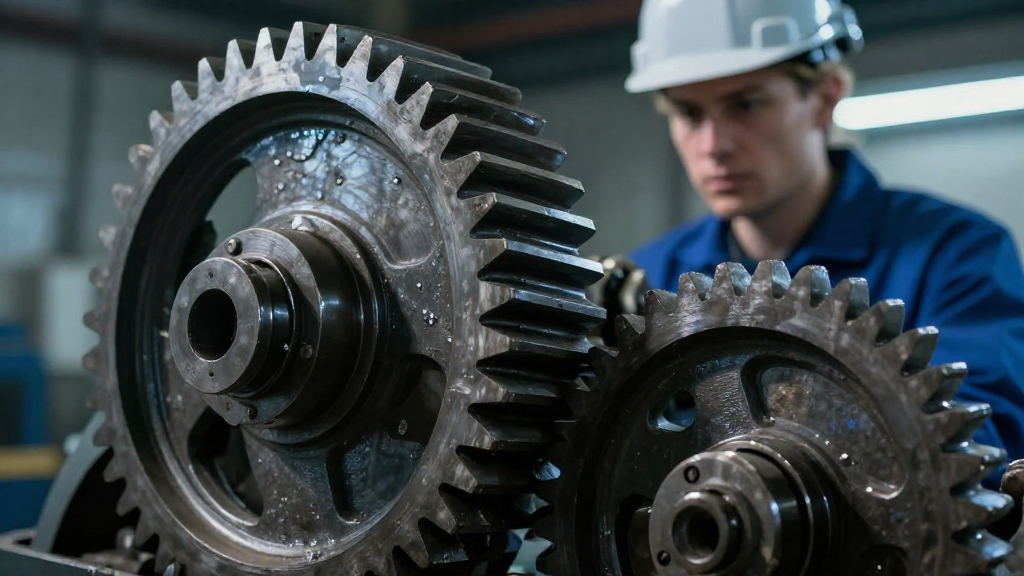
Energy loss in gears is a significant concern for engineers and designers in mechanical systems.
Understanding the various causes of energy loss can help improve the efficiency of machines and lead to better performance in applications ranging from automotive engineering to industrial machinery.
What is Energy Loss in Gears?
Energy loss in gears refers to the loss of mechanical energy due to various factors during the transmission of motion and power through gear systems.
These losses may arise from friction, misalignment, or wear, and can ultimately lead to reduced overall efficiency of machines.
Why Does Friction Cause Energy Loss in Gears?
Friction is a primary contributor to energy loss in gears.
When two surfaces in contact slide against each other, they create heat due to frictional forces.
This heat dissipates energy that could otherwise be utilized for productive work.
Key factors related to friction include:
-
Material Properties: Different materials exhibit various levels of friction.
For example, steel gears may experience higher energy loss than composite materials under similar conditions. -
Surface Roughness: The roughness of the gear surface impacts the contact area and can increase the frictional force.
Smoother surfaces tend to reduce energy loss. -
Lubrication: Proper lubrication reduces friction and, in turn, energy loss in gears.
Using the right type of lubricant can minimize wear and enhance performance.
In summary, managing friction through material selection, surface treatment, and effective lubrication is essential in minimizing energy loss in gears.
How Does Misalignment Contribute to Energy Loss in Gears?
Misalignment between gears can significantly increase energy loss in gears.
When gears are not properly aligned, several issues can arise:
-
Increased Friction: Misalignment can cause gears to engage improperly, resulting in excessive friction.
This friction generates heat and leads to energy being wasted. -
Higher Wear Rates: Misaligned gears often experience unequal load distribution, leading to accelerated wear.
More wear means more energy loss over time. -
Vibration and Noise: Misalignment causes vibrations that not only waste energy but can also lead to mechanical failure.
Consequently, this will increase maintenance costs and downtime.
To avoid misalignment, regular maintenance and precise assembly are crucial in maintaining gear performance and minimizing energy loss.
What Role Does Gear Design Play in Energy Loss?
The design of gear systems plays a pivotal role in energy loss in gears.
Several design considerations can either minimize or exacerbate energy loss:
-
Tooth Profile: The shape of gear teeth greatly affects how they mesh together.
Incorrect tooth geometry can lead to inefficient power transfer, increasing energy loss. -
Load Distribution: Proper distribution of load across gear teeth minimizes stress and friction.
Uniform load distribution is vital in reducing energy loss. -
Gear Ratio: Gear ratios can impact energy efficiency.
A poorly chosen gear ratio may lead to excessive energy loss due to inefficient torque transfer. -
Backlash: Backlash is the slight gap between gear teeth that can also lead to energy loss.
By minimizing backlash, a smoother and more efficient operation can be achieved.
Overall, investing time in optimal gear design can significantly reduce energy loss in gears.
How Can Wear and Tear Lead to Energy Loss?
Every gear experiences wear and tear over time, which directly contributes to energy loss in gears.
As gears age, the surfaces may degrade due to mechanical wear, stress, and environmental factors.
Common causes of wear include:
-
Material Fatigue: Prolonged use can lead to microscopic cracks and defects in gear material.
This degradation will ultimately reduce efficiency. -
Contamination: Dirt, debris, and foreign particles can cause wear and affect the lubrication process, leading to increased friction.
Keeping gears clean is essential to reduce energy loss. -
Corrosion: Environmental factors like moisture can corrode gear surfaces, leading to wear and energy loss over time.
Using corrosion-resistant materials can prevent this issue.
Regular inspection and maintenance are vital to minimize wear and maintain the efficiency of gear systems.
What Preventive Measures Can Reduce Energy Loss?
To minimize energy loss in gears, several preventive measures can be implemented.
1. Regular Maintenance:
Routine inspections can help identify signs of wear, misalignment, and other issues.
Timely intervention can prevent small problems from escalating into major energy losses.
2. Proper Lubrication:
Employing the right type and amount of lubricant can significantly reduce friction and wear.
Regular reapplication of lubricant is necessary to maintain optimal performance.
3. High-Quality Materials:
Utilizing advanced materials for gear construction can enhance durability and decrease friction.
Consider materials such as composites or treated metals to improve efficiency.
4. Testing and Alignment:
Using precision tools to ensure proper alignment during installation can help reduce energy loss in gears.
Periodic checks are also recommended to ensure ongoing alignment.
5. Optimize Gear Design:
Incorporate optimal tooth profiles and gear ratios in the design phase.
Utilize computer simulations to predict performance and energy loss in the design process.
What is the Importance of Understanding Energy Loss in Gears?
Understanding the causes and implications of energy loss in gears is essential for various reasons.
For engineers and designers, awareness of these factors can lead to improved design and operational efficiency.
Key benefits include:
-
Enhanced Performance: By minimizing energy loss in gears, machines can operate more efficiently.
This efficiency leads to lower energy consumption and enhanced productivity. -
Cost Savings: Reducing energy loss often leads to lower operational costs.
Increased efficiency in gear systems translates to savings in energy bills and maintenance costs. -
Extended Equipment Life: Proper management of gear wear and tear enhances the lifespan of machinery.
Longer equipment life not only saves money but also reduces waste. -
Environmental Responsibility: Increasing efficiency means lower energy consumption and a reduced carbon footprint.
This aligns with modern manufacturing goals focused on sustainability.
In conclusion, energy loss in gears is influenced by a myriad of factors, including friction, misalignment, wear, and gear design.
By adopting proper maintenance practices, utilizing optimal materials and designs, and staying aware of these challenges, industries can minimize energy loss, resulting in improved efficiency and performance.
Managing energy loss in gears is a critical consideration for any engineer or designer looking to optimize their mechanical systems and ensure reliability in performance.