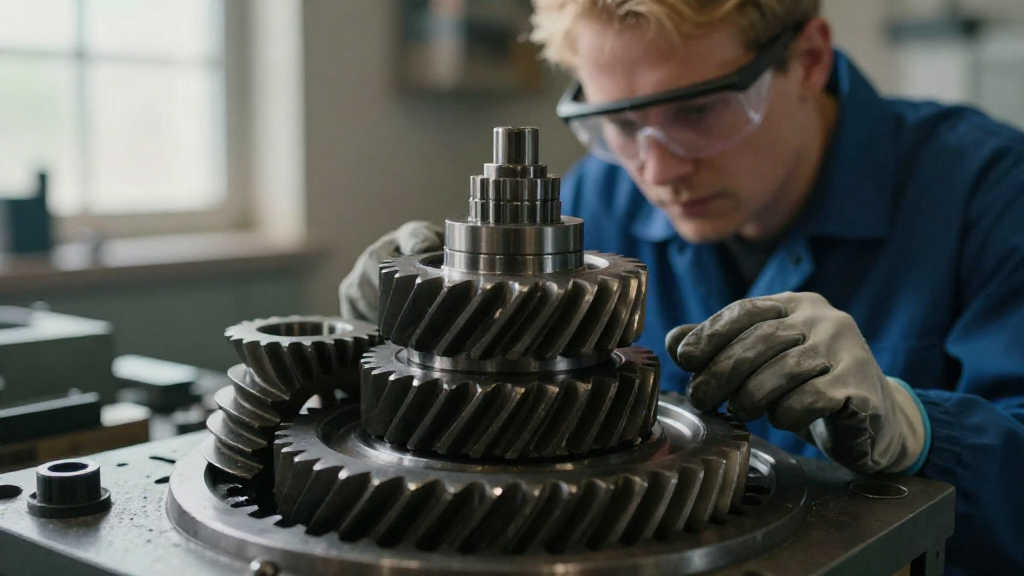
A gear contact pattern test is an essential procedure in the realm of mechanical engineering, particularly in the design and maintenance of gear systems.
Gear systems are fundamental components in various machinery, and ensuring their optimal performance is crucial for overall efficiency.
What Is the Purpose of a Gear Contact Pattern Test?
The primary purpose of a gear contact pattern test is to analyze the meshing of gears.
This test helps determine how well the gears come into contact with each other, which is important for:
- Identifying Wear Patterns: Understanding where excessive wear may be occurring.
- Ensuring Adequate Contact: Verifying that gears are engaging correctly.
- Preventing Noise and Vibration: Reducing operational issues by ensuring proper meshing.
By examining the contact pattern, engineers can gather essential data to optimize gear performance and longevity.
How Is a Gear Contact Pattern Test Conducted?
The gear contact pattern test follows a systematic approach to gather useful insights about gear alignment and performance.
Here are the typical steps involved in conducting such a test:
-
Preparation:
- Ensure the gear system is fully assembled and lubricated.
- Clean the gear surfaces to remove any debris or contaminants.
-
Applying a contact marking compound:
- Use a specialized dye or marker that will leave a visible mark where the gears mesh.
- It’s important to use a compound that can withstand high temperatures and pressures.
-
Engaging the Gear System:
- Rotate the gears under controlled conditions.
- Monitor the gear operation while maintaining a consistent speed.
-
Assessing the Contact Pattern:
- After completing a set number of rotations, disassemble the gears and observe the contact pattern left by the marking compound.
- Look for areas with excessive contact, which may appear darker or more marked compared to other areas.
-
Analysis:
- Evaluate the contact pattern to determine if it falls within acceptable ranges.
- Identify any areas that may indicate misalignment, improper setup, or wear.
-
Adjustments and Corrections:
- Based on the findings, make any necessary adjustments to the gear alignment or modifications to the design.
Why Is a Gear Contact Pattern Test Important?
The importance of a gear contact pattern test cannot be overstated, especially in industrial applications.
It provides critical insights into:
- Performance: Ensures optimal performance of gear systems, enhancing overall efficiency.
- Longevity: Identifies potential issues before they lead to significant failures, prolonging the lifespan of the equipment.
- Cost Savings: Reduces maintenance costs by catching problems early, potentially saving thousands in repairs and downtime.
- Safety: Properly functioning gear systems minimize the risk of unexpected failures that could compromise safety.
What Are Common Issues Detected by a Gear Contact Pattern Test?
During a gear contact pattern test, several common issues can be identified, including:
- Misalignment: Gears that are not properly aligned can result in uneven wear and increased noise.
- Inadequate Tooth Contact: Insufficient contact may lead to slippage or missed gear engagement.
- Overloading: Excessive load on teeth can lead to failures, which can be spotted by abnormal contact patterns.
- Twisted or Worn Teeth: Abnormal wear patterns can highlight problems such as manufacturing defects or a lack of proper lubrication.
Identifying these issues early through consistent testing can save considerable resources and improve overall equipment reliability.
How Often Should a Gear Contact Pattern Test Be Performed?
The frequency of gear contact pattern tests can depend on several factors:
- Operational Conditions: Gears operating under harsh conditions may require more frequent testing.
- Usage Hours: Higher usage may necessitate more frequent checks.
- Manufacturer Recommendations: Following the manufacturer’s guidelines can provide a baseline for testing intervals.
Generally, it’s a good practice to conduct a gear contact pattern test:
- During Initial Setup: After the installation of new gears or systems.
- After Major Changes: Modifications or repairs should trigger a retest.
- Periodically: Regular checks—perhaps every few operational cycles—are advisable to maintain optimal performance.
Can Technology Improve Gear Contact Pattern Tests?
Advancements in technology have greatly enhanced the ability to conduct gear contact pattern tests more efficiently and accurately.
Here are some notable innovations:
- 3D Scanning: Advanced 3D laser scanning technology can create precise models of gear teeth to analyze contact patterns more effectively.
- Computer Simulation: Software simulations can predict contact patterns before actual tests are conducted.
- Real-Time Monitoring: Utilizing sensors and IoT technologies allows for continuous monitoring of gear performance, providing instant feedback.
By leveraging these technologies, engineers can improve the reliability of test results and make informed decisions quickly.
Conclusion: The Vital Role of Gear Contact Pattern Tests
In summary, a gear contact pattern test is not just a technical procedure but a critical element in ensuring the reliability and efficiency of gear systems.
Understanding its purpose, methodology, and the insights it provides can lead to more robust machinery that operates smoothly over longer periods.
Regular testing, coupled with advancements in technology, promises to optimize performance, enhance safety, and reduce costs associated with gear system maintenance.
Investing time and resources into proper gear testing can yield significant dividends in operational efficiency, safety, and longevity for gear-related machinery.
Understanding the mechanics behind a gear contact pattern test ensures that engineers are prepared to maintain and improve their systems for future challenges.
Whether for industrial applications or specialized machinery, integrating gear contact pattern tests into routine maintenance can contribute to superior performance and reliability in any application.