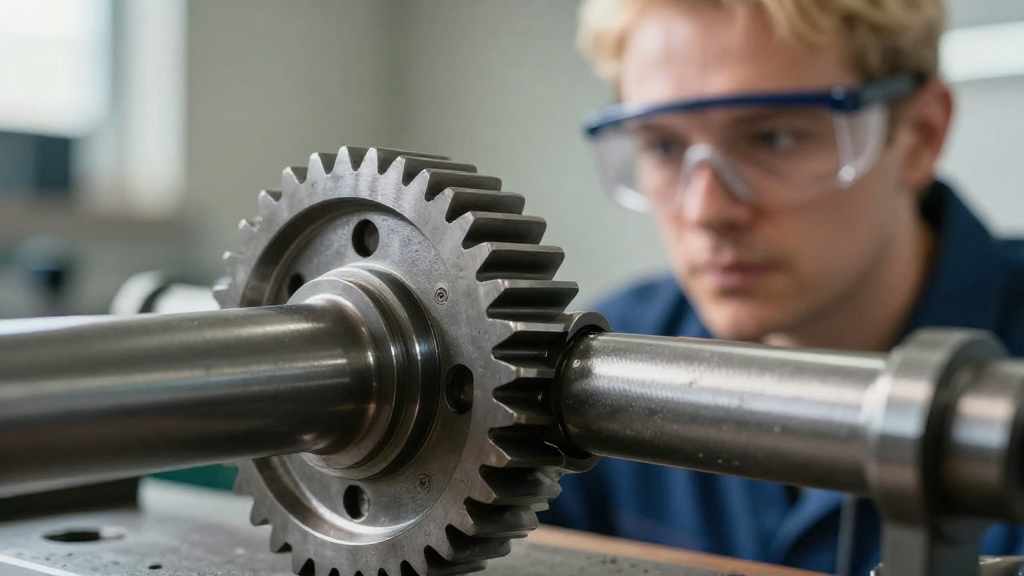
Connecting a gear to a shaft can be a critical task in mechanical engineering, and it significantly affects the overall performance of machinery and equipment. Understanding the best techniques and methods for a proper gear shaft connection ensures efficient energy transfer and optimal performance of your mechanical systems.
What is Gear Shaft Connection?
A gear shaft connection refers to the method by which gears are mounted onto a shaft to transfer rotational motion and torque. Properly connecting gears and shafts involves selecting the right components and installation techniques to avoid issues like slippage, misalignment, or excessive wear.
Choosing the appropriate type of connection is essential for achieving the required performance of the mechanical system. In this article, we will explore various methods to create an effective gear shaft connection.
Why is Proper Gear Shaft Connection Important?
Connecting gears to shafts may seem straightforward, but mistakes can lead to performance issues such as:
- Loss of power transmission
- Increased wear and tear
- Gear or shaft failure
- Poor alignment leading to vibrations
A well-executed gear shaft connection ensures smoother operation and longevity of machinery.
How Can You Connect a Gear to a Shaft?
There are several methods to connect a gear to a shaft, and the choice often depends on the application, size, and type of gear and shaft. Here are some common techniques:
1. Keyed Connection
A keyed connection involves using a key, which is a small metal piece that fits into slots on both the gear and the shaft.
- Step 1: Machining the keyway on the shaft and the corresponding slot on the gear.
- Step 2: Inserting the key into the keyway on the shaft.
- Step 3: Aligning the gear over the key and pressing it onto the shaft.
This method effectively prevents slippage and maintains a secure connection.
2. Set Screw Connection
Set screw connections are commonly used for low-torque applications. They involve tightening a screw that exerts pressure against the shaft to hold the gear in place.
- Step 1: Position the gear on the shaft.
- Step 2: Identify the set screw hole on the gear.
- Step 3: Tighten the set screw to secure the gear firmly against the shaft.
This method is simple but may not be suitable for high-torque applications due to potential slippage.
3. Tapered Fit
Using a tapered fit for your gear shaft connection offers excellent bonding without requiring additional components.
- Step 1: Create a taper on both the gear bore and the shaft.
- Step 2: Slide the gear onto the shaft.
- Step 3: Use a tool to press or hammer the gear into position, enhancing the friction fit.
This connection type provides a strong grip and is typically used in high-load applications.
4. Collar Connection
A collar connection uses a cylindrical collar that fits around the shaft and is locked into place by set screws or a pin.
- Step 1: Slide the collar onto the shaft and secure it with a screw.
- Step 2: Position the gear against the collar.
- Step 3: Tighten the screws in the collar for a secure fit.
This method allows for easy adjustments and removals.
5. Welding or Adhesive Bonding
For permanent connections, welding or adhesive bonding can be effective. This method is more complex and usually requires specialized tools.
- Step 1: Clean the surfaces of the gear and shaft.
- Step 2: Apply the adhesive or prepare the welding setup.
- Step 3: Bond the two components together according to the selected technique.
This method is generally suitable for applications where disassembly is not required.
What Tools Do You Need for a Gear Shaft Connection?
To connect a gear to a shaft effectively, you’ll need the right tools. Here’s a list of common tools utilized for various connection methods:
- Drill and Drill Bits: For making keyways and set screw holes.
- Calipers or Micrometers: For measuring components precisely.
- Wrenches and Screwdrivers: For tightening screws and assembling components.
- Hammers or Presses: For driving components into place, especially with tapered fits.
- Welding Equipment: For permanent connections if needed.
- Adhesive and Applicators: If choosing to bond the gear and shaft.
What are the Tips for Ensuring a Strong Gear Shaft Connection?
To achieve a durable and efficient gear shaft connection, consider the following tips:
- Ensure Proper Alignment: Proper alignment is critical to minimize wear and tear and prevent failures.
- Use Correct Torque Levels: Over-tightening can damage components, while under-tightening can lead to slippage.
- Select the Right Materials: Match the material properties of gears and shafts to enhance durability.
- Lubricate Where Necessary: Appropriate lubrication lessens friction and wear.
- Regular Inspection: Periodically check for any signs of loosening or wear.
What Mistakes to Avoid in Gear Shaft Connection?
Avoiding common mistakes can make the difference between success and failure in creating a solid gear shaft connection:
- Ignoring Tolerances: Overly tight or loose fits can lead to operational problems.
- Not Accounting for Operating Conditions: Consider the working environment and choose materials accordingly.
- Skipping Pre-Assembly Checks: Always ensure parts fit together before final installation.
- Overlooking Maintenance Needs: Implement a maintenance schedule to ensure connection integrity.
Conclusion
Connecting a gear to a shaft may seem like a simple task, yet it requires a precise approach to ensure a reliable and efficient gear shaft connection. By following the methods discussed in this article and avoiding common mistakes, you can ensure the longevity and performance of your mechanical systems.
From keyed connections to tapered fits, choosing the right method depends on your specific application and requirements. With the right tools and practices, you can achieve a strong connection that enhances your machinery’s efficiency. Remember, a secure gear shaft connection is crucial for smooth and effective operation in any mechanical system.