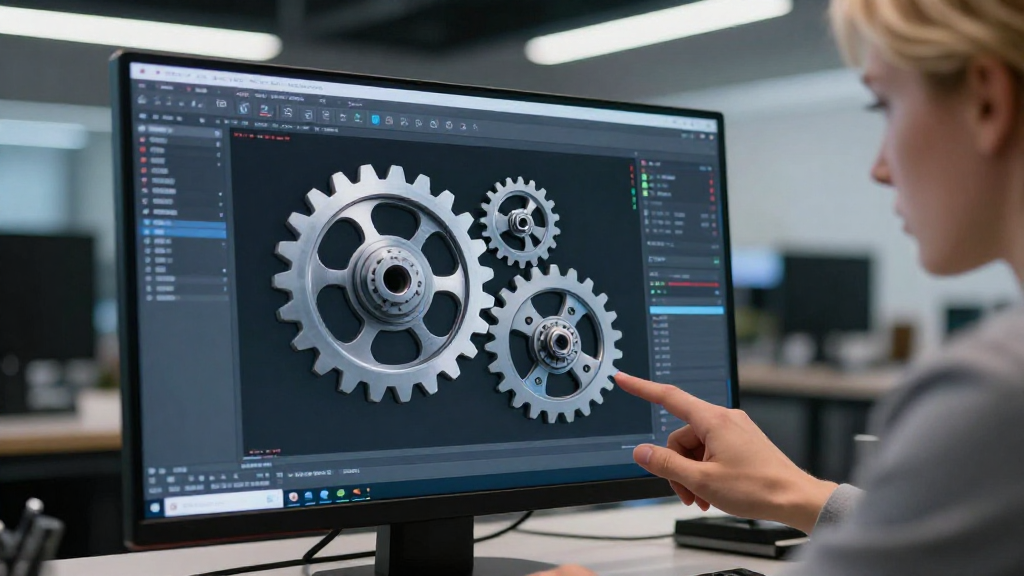
Gear simulation software plays a crucial role in the design and analysis of gear systems.
This innovative type of software enables engineers and designers to create virtual models and simulate the performance of gear systems under various conditions.
What Are the Key Features of Gear Simulation Software?
Gear simulation software comes packed with features that facilitate accurate modeling and evaluation of gear systems.
Some of the key features include:
- 3D Modeling: Most gear simulation software allows users to create detailed 3D models of gears, ensuring precision.
- Analysis Tools: These tools help users evaluate factors such as stress, strain, and fatigue in gear systems.
- Material Selection: Users can simulate how different materials will behave under load and how they can affect performance.
- Load Analysis: Designers can assess how various loads impact the gears over time, predicting potential failures.
- Torque Calculations: Precise torque calculations are essential for optimizing gear designs, and software can automate these processes.
- Dynamic Simulation: Some applications allow for dynamic simulation of gear interactions, providing insights into real-world performance.
By incorporating these features, gear simulation software significantly streamlines the design process, allowing engineers to make informed decisions more efficiently.
How Does Gear Simulation Software Work?
Understanding how gear simulation software functions is essential for maximizing its benefits.
At its core, gear simulation software operates on the principles of computer-aided design (CAD) and finite element analysis (FEA).
-
Modeling: Users start by creating a digital model of the gear system. This involves inputting specifications like dimensions, tooth profiles, and materials.
-
Simulation: Once the model is complete, the software runs simulations to predict performance under specified loads and conditions.
-
Analysis: The software provides detailed reports and visualizations, highlighting key performance metrics such as efficiency, wear, and failure points.
-
Iteration: Engineers can then modify the original design based on the insights gained from the simulation, allowing for optimized gear designs.
This iterative process not only saves time but also reduces costs associated with physical prototyping.
Why Is Gear Simulation Software Important?
The importance of gear simulation software cannot be overstated.
Here are a few reasons why it’s essential in today’s engineering landscape:
-
Cost-Efficiency: By identifying potential issues early in the design phase, companies can save on the costs of material and manufacturing.
-
Optimization: Engineers can tweak gear designs for better efficiency and performance, leading to longer lifespans and reduced maintenance.
-
Risk Management: Simulation software helps identify potential failure modes, allowing companies to take proactive measures to mitigate risks.
-
Faster Time to Market: With reliable simulations, companies can speed up the development process, launching products faster than competitors.
-
Enhanced Collaboration: The software enables teams from different disciplines to collaborate using a shared digital model, fostering better communication.
In short, gear simulation software provides valuable insights that lead to improved design and performance of gear systems.
What Industries Use Gear Simulation Software?
Various industries benefit from the implementation of gear simulation software.
Some of the most prominent ones include:
-
Automotive Industry: Gears are critical for transferring power and torque in vehicles, making simulation crucial for performance optimization.
-
Aerospace: The aerospace sector demands precision engineering; hence, gear simulation software ensures efficiency and reliability in aircraft gear systems.
-
Manufacturing: In manufacturing, gear systems are integral for machinery. Simulation helps in designing cogwheels that can withstand harsh operating conditions.
-
Wind Energy: Gears in wind turbines must be robust; simulation software helps ensure that they can endure various environmental stresses.
-
Robotics: Robotics relies heavily on gear mechanisms. Simulation software is used to enhance the reliability and efficiency of robotic systems.
By utilizing gear simulation software, industries can optimize their gear systems for reliability and performance, ensuring they meet specific operational demands.
How to Choose the Right Gear Simulation Software?
Selecting the right gear simulation software can be a daunting task given the multitude of options available in the market.
Here are some essential factors to consider:
1. User-Friendliness:
The software should have an intuitive interface that allows users to easily navigate all features.
2. Compatibility:
Ensure that the software is compatible with existing CAD software used in your organization for seamless integration.
3. Reliability of Results:
Choose a tool known for producing accurate and reliable simulation results, as this is crucial for effective design decisions.
4. Support and Training:
Consider vendors that offer excellent customer support and training resources to help you maximize the software’s benefits.
5. Cost:
Evaluate your budget for gear simulation software and weigh the cost against the potential savings and efficiencies gained.
By considering these criteria, organizations can select the most suitable gear simulation software that aligns with their specific needs.
Conclusion: Transforming Gear Design with Simulation Software
In conclusion, gear simulation software is an indispensable tool for engineers and designers across various industries.
With features that enhance modeling, analysis, and design optimization, this software has revolutionized the way gear systems are developed.
The importance of gear simulation software in reducing costs, managing risks, and streamlining the design process cannot be understated.
As industries continue to evolve, the reliance on simulation tools will only grow, driving innovation and enhancing gear system performance.
By investing in the right gear simulation software, organizations position themselves to thrive in a competitive landscape, ensuring that their gear systems are not only efficient but also robust and reliable.