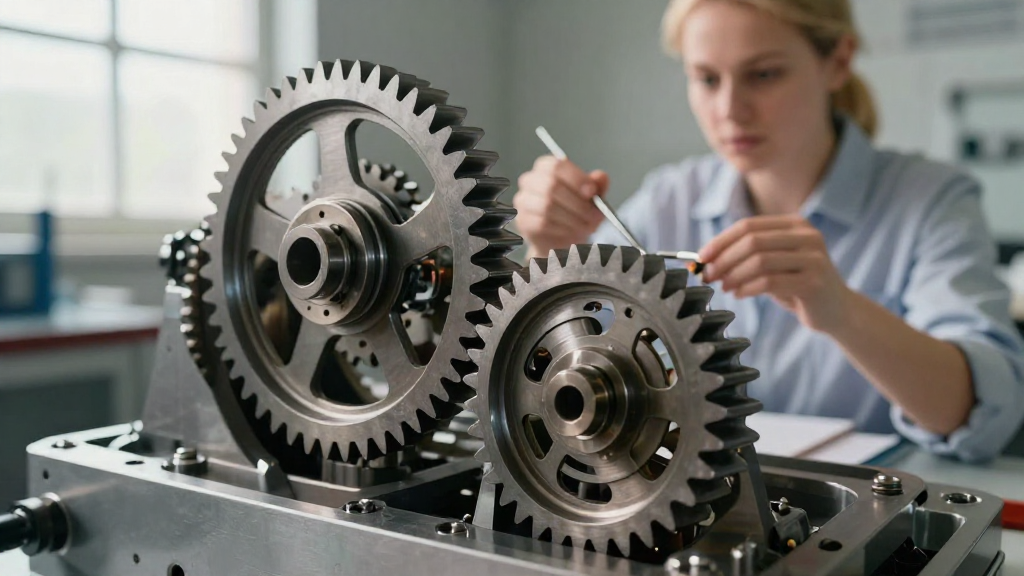
Gear system optimization is essential for enhancing the efficiency and longevity of mechanical systems.
By implementing effective strategies, you can ensure your gear systems operate at optimal performance levels.
What Is Gear System Optimization?
Gear system optimization refers to the process of improving the performance and reliability of gear systems used in various machinery and equipment.
This involves adjustments, maintenance, and design improvements aimed at reducing wear, minimizing friction, and ensuring smooth operation.
Why Is Gear System Optimization Important?
- Increased Efficiency: Proper optimization results in lower energy consumption and better output.
- Extended Lifespan: Reduced wear and tear lead to greater durability and longevity of components.
- Cost Savings: Fewer repairs and replacements mean significant savings over time.
- Improved Performance: Enhanced speed, torque, and overall functionality of the machinery.
How Can You Achieve Gear System Optimization?
- Regular Maintenance
It’s crucial to perform routine checks and maintenance on gear systems to ensure longevity.
Key components to inspect include:
- Lubrication: Regularly check the lubricant levels and apply the appropriate type to reduce friction and wear.
- Alignment: Ensure that gears are aligned correctly to prevent uneven wear and tear.
- Tension: Inspect and adjust the tension on belts and chains connected to the gear system.
- Use of Quality Materials
Selecting high-quality materials for gear fabrication is vital for improving durability and functionality.
Consider materials such as:
- Steel: Common for its strength and durability.
- Composite Materials: These offer lightweight options with reduced friction.
- Alloys: Adding specific elements to steel can enhance wear resistance.
- Design Improvements
Consider redesigning gear systems to enhance their efficiency.
Look into:
- Tooth Design: Change the geometry of gear teeth for better load distribution.
- Size Optimization: Evaluate whether a smaller gear system could provide the same output, reducing material use and weight.
- Modular Systems: Implement modular components for easy replacement and upgrades.
- Advanced Technology Utilization
Leverage technology to enhance gear system performance.
This includes:
- Computer-Aided Design (CAD): Allows for precise modeling and simulation of gear systems before manufacturing.
- Finite Element Analysis (FEA): Use this tool to identify stress points in gear systems and reinforce them during production.
- Condition Monitoring Systems: These can track gear system performance in real-time, alerting you to potential issues before they become significant.
- Implementing Proper Load Management
Overloading gear systems can accelerate wear and reduce performance.
To manage loads effectively:
- Understand Load Capacity: Know the maximum load your gear systems can handle and stay within those limits.
- Distribute Loads Evenly: Ensure that loads are distributed evenly across gears to prevent localized failure.
How Can You Monitor Gear Performance?
To ensure continuous gear system optimization, monitoring performance is crucial. This can be done through:
- Regular Inspections: Scheduled assessments can catch issues before they escalate.
- Performance Metrics: Keep track of speed, torque, and efficiency metrics over time.
- Data Logging: Utilize digital tools to log performance data and identify trends.
What Are Some Common Issues in Gear Systems?
Understanding common issues is vital for effective gear system optimization. Some common problems include:
- Excessive Wear: Can lead to reduced efficiency and system failure.
- Vibration and Noise: Often indicates misalignment or imbalance within the gear system.
- Overheating: Excessive heat can signify insufficient lubrication or excessive load.
When Should Gear System Optimization Be Performed?
- During Initial Setup: Implement optimization strategies right from the start to ensure maximum efficiency.
- After Regular Maintenance: Each maintenance session should involve an assessment of gear system optimization opportunities.
- When Performance Declines: If you notice a drop in performance indicators, it’s a clear sign to evaluate and optimize again.
Who Can Help You With Gear System Optimization?
If optimization seems like a daunting task, consider seeking help from professionals.
Experts in mechanical engineering or industrial maintenance can provide insights and services, including:
- Consultation Services: Professionals can analyze your current system and suggest improvements.
- Maintenance Services: Hire experienced technicians to perform routine and specialized maintenance.
- Training Programs: Educating your staff on best practices for gear system optimization can foster a culture of efficiency.
Conclusion
In conclusion, gear system optimization plays a crucial role in enhancing the performance and reliability of machinery.
By implementing regular maintenance, leveraging technology, and assessing performance metrics, you can significantly improve the efficiency and lifespan of your gear systems.
Remember, optimizing your gear systems is not just a one-time task but an ongoing commitment to operational excellence.
Take the first step today to ensure your gear systems are functioning at their best!