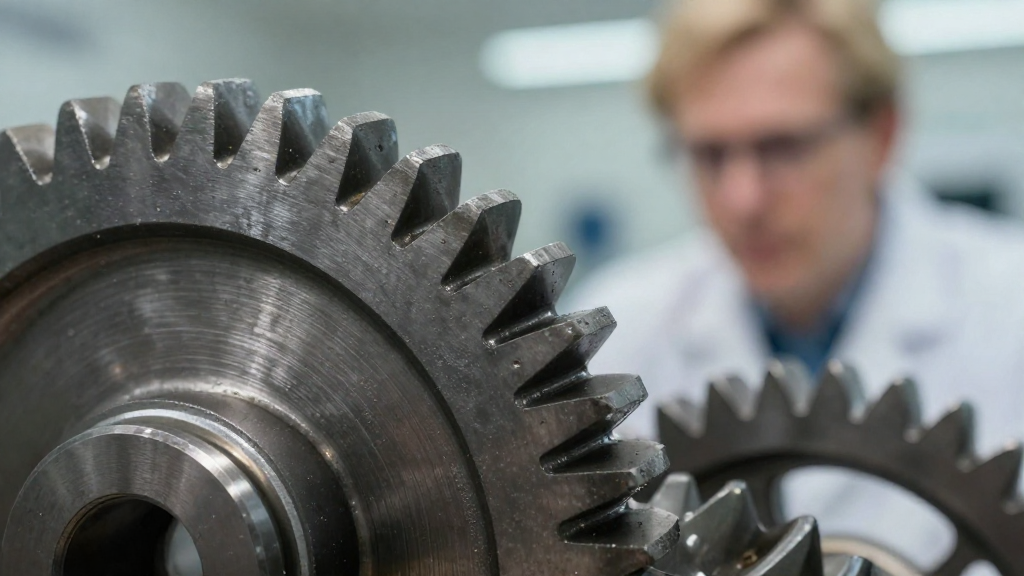
Gear tooth contact stress is a critical factor in the design and operation of gears that can significantly impact performance, longevity, and reliability. Understanding this stress is crucial for engineers and manufacturers striving for efficient gear design and performance.
What is Gear Tooth Contact Stress?
Gear tooth contact stress refers to the localized pressure that occurs at the point of contact between two meshing gear teeth during operation.
This stress is essential to evaluate for several reasons:
- It influences the durability of the gears.
- It helps predict potential failure points.
- It assists in optimizing gear design for various applications.
When gears mesh, they bear loads, transferring the force from one gear to another. This interaction leads to stress concentration at the contact points.
Why is Gear Tooth Contact Stress Important?
Understanding gear tooth contact stress can help engineers avoid premature gear failure and ensure optimal performance. Here’s why it matters:
- Durability: Proper assessment helps in selecting materials and treatments that improve gear lifespan.
- Performance: Knowing contact stress allows for better gear design, maximizing efficiency.
- Predictive Maintenance: Analyzing stress levels can help identify wear and potential failures before they occur.
What Causes Gear Tooth Contact Stress?
Several factors contribute to gear tooth contact stress, including:
- Load Distribution: Uneven load distribution across gear teeth can lead to increased stress concentrations.
- Tooth Geometry: Variations in tooth shape, size, and alignment can affect stress levels.
- Material Properties: The hardness and resistance of the gear material play a significant role in handling stress.
- Operating Conditions: Temperature, lubrication, and load cycles all influence contact stress.
Understanding these factors allows for better management and control of gear tooth contact stress during design and operation.
How is Gear Tooth Contact Stress Measured?
To effectively analyze gear tooth contact stress, several methods can be employed:
- Analytical Methods: Basic calculations can assess stress levels based on gear geometry and load.
- Numerical Simulations: Advanced software tools like Finite Element Analysis (FEA) can provide detailed insights into stress distribution.
- Experimental Testing: Physical tests, such as strain gauges, can directly measure stress on gear teeth.
By combining these methods, engineers can obtain a comprehensive understanding of gear tooth contact stress and refine their designs accordingly.
What are the Implications of High Gear Tooth Contact Stress?
High levels of gear tooth contact stress can lead to several issues, including:
- Surface Fatigue: Repeated high stress can cause pitting or spalling of gear tooth surfaces.
- Wear and Tear: Increased contact stress accelerates wear, leading to shorter gear life.
- Failure Risk: Excessive stress can lead to catastrophic gear failure, affecting machinery and safety.
Understanding these risks allows for design modifications or maintenance measures to mitigate potential problems.
How Can You Reduce Gear Tooth Contact Stress?
Several strategies can help reduce gear tooth contact stress in gear design and operation:
- Optimizing Tooth Geometry: Adjusting tooth shape and profile can lead to better load distribution.
- Material Selection: Choosing high-strength materials or coatings can improve performance under stress.
- Using Lubricants: Proper lubrication reduces friction and wear, mitigating contact stress effects.
- Load Management: Designing for even load distribution and considering vibration can reduce peak stress levels.
These techniques can enhance gear performance and extend operational life while minimizing the impact of contact stress.
What Role Does Gear Tooth Contact Stress Play in Gear Design?
In the context of gear design, gear tooth contact stress serves as a guiding parameter for several key decisions, including:
- Material Selection: Knowledge of expected stress levels helps determine the most appropriate materials for gear manufacturing.
- Geometry Design: Understanding stress allows for innovative tooth designs that can accommodate higher loads.
- Quality Control: By analyzing stress, manufacturers can set quality parameters, ensuring each gear meets operational requirements.
Effective gear design hinges on understanding and managing gear tooth contact stress to balance performance, durability, and cost.
Conclusion
In conclusion, gear tooth contact stress is a vital consideration in the design and maintenance of gears.
By comprehensively understanding this concept, engineers can:
- Improve gear durability and efficiency.
- Minimize the risk of failure.
- Optimize production processes.
Incorporating effective strategies to measure, analyze, and mitigate gear tooth contact stress will lead to better performance in machinery across various industries, ensuring reliability and longevity in gear operations.
Whether managing small machinery or large industrial systems, acknowledging and addressing gear tooth contact stress can make a significant difference in the overall success and efficiency of mechanical systems.