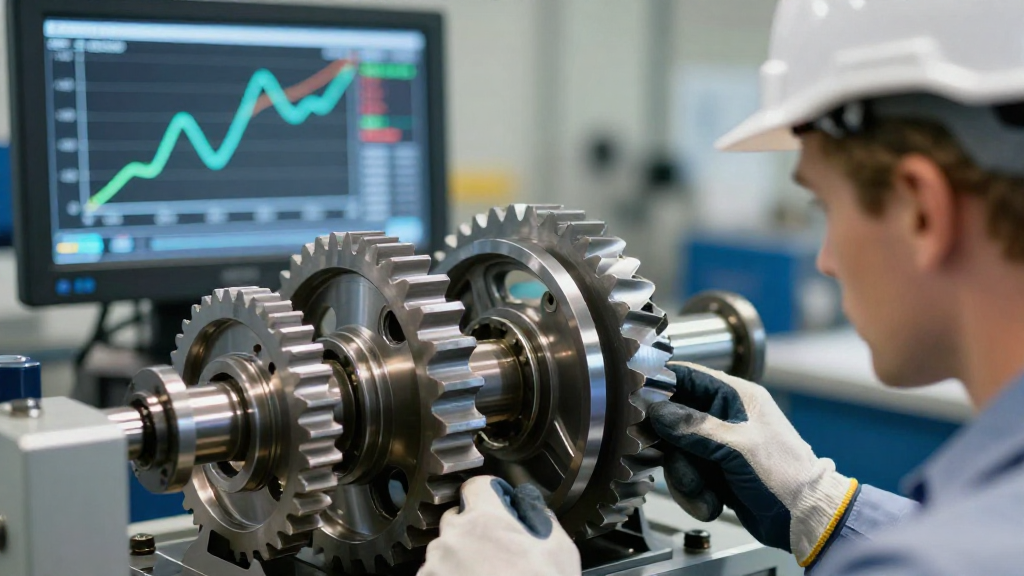
Understanding the gear torque curve is essential for anyone working with machinery or performance vehicles.
This curve illustrates the relationship between the torque produced by a gear system and the rotational speed of the gears.
What Does a Gear Torque Curve Show?
A gear torque curve provides critical information about how a gear’s performance varies with speed.
Here are the key elements illustrated in a typical gear torque curve:
- Torque Output: The maximum torque the gear system can generate.
- Rotational Speed: Typically measured in RPM (revolutions per minute), this indicates how fast the gears are moving.
- Power Band: The range of RPMs where the gear system operates most efficiently.
- Efficiency: The relationship between input and output torque across different speeds.
This information is vital for tuning performance in automotive applications, optimizing machinery operations, or understanding mechanical systems.
Why Is the Gear Torque Curve Important?
The significance of the gear torque curve cannot be understated.
It assists engineers and mechanics in:
-
Evaluating Performance: Understanding how torque varies with speed helps in diagnosing performance issues.
-
Design Optimization: Engineers can design gears and systems that maximize efficiency and power delivery.
-
Selecting Gears: Choosing the right gear for a specific application requires a clear understanding of torque curves.
-
Predicting Behavior: Anticipating how a gear system will perform under different loads and speeds is crucial for reliability and safety.
How to Read a Gear Torque Curve?
Understanding how to interpret the gear torque curve involves analyzing a graph that typically plots torque against RPM.
Here’s what to look out for:
-
Axes: The horizontal axis usually denotes RPM, while the vertical axis represents torque.
-
Curve Shape: The curve indicating torque generally starts high, declines, or stabilizes as RPM increases based on design and load factors.
-
Peak Torque: The apex of the curve shows the maximum torque output.
-
Drop-Off Points: Observing where the torque begins to lessen can indicate inefficiencies or a need for gear shifting.
By mastering these elements, you can make informed decisions about gear selection and modifications.
What Factors Affect the Gear Torque Curve?
Several factors influence the shape and behavior of a gear torque curve:
-
Gear Design: The configuration and materials used in gears can drastically affect torque output.
-
Load Conditions: Variations in load can shift the torque curve higher or lower based on the demands placed on the system.
-
Speed Characteristics: The manner in which speed changes while torque is produced can be influenced by different types of transmission systems.
-
Lubrication and Friction: Proper lubrication can enhance performance; excessive friction can diminish efficiency and torque output.
Understanding these variables can help improve the efficiency and effectiveness of gear systems.
How Does the Gear Torque Curve Impact Automotive Performance?
In the automotive industry, the gear torque curve is particularly influential.
Here are some ways it impacts vehicle performance:
-
Acceleration: Knowing the torque curve allows engineers to optimize acceleration by selecting gears that provide the best torque at critical points in RPM.
-
Fuel Efficiency: A well-optimized gear torque curve can contribute to improved fuel economy by reducing unnecessary engine strain.
-
Performance Tuning: Car enthusiasts often use the gear torque curve for tuning their vehicles, ensuring power delivery aligns with driving characteristics.
-
Gear Shifting Strategy: Gearboxes in automatic or manual transmissions utilize torque curves to determine the best time to change gears for optimal performance.
Can You Modify a Gear Torque Curve?
Yes, you can modify the gear torque curve through various means.
Common methods include:
-
Changing Gear Ratios: Increasing or decreasing gear ratios can alter the performance characteristics of the torque curve.
-
Upgrade Components: High-performance components can yield higher torque outputs and shift the curve positively.
-
Engine Tuning: Remapping the engine’s ECU (engine control unit) allows for adjustments in how power and torque are delivered.
-
Weight Reduction: Stripping down unnecessary weight from your vehicle can allow the existing torque curve to perform more effectively.
Conclusion: Understanding the Gear Torque Curve is Key
To sum up, the gear torque curve is an invaluable tool for anyone involved in mechanical design, automotive performance, or heavy machinery operation.
By grasping its nuances and applications, you can enhance performance, optimize designs, and make informed decisions about gear systems.
Understanding a gear torque curve can lead you to achieve better efficiency, improved acceleration, and optimized power delivery in your application.
In the world of engineering and automotive performance, knowledge of the gear torque curve is undoubtedly a crucial asset.
Use the information gathered here to dive deeper into your specific applications and maximize the potential of your gear systems!