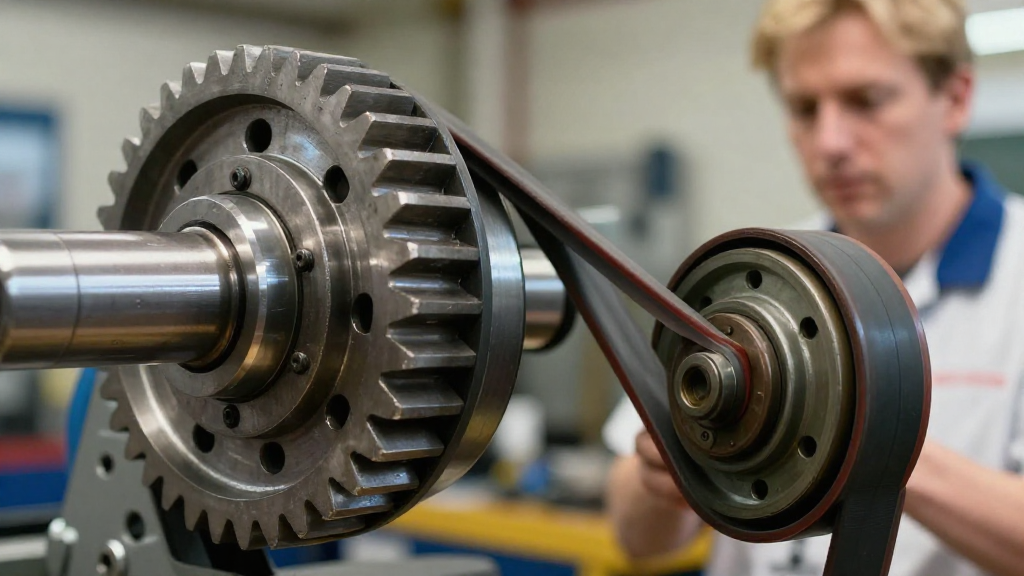
When choosing the right power transmission system for your machinery, the decision often comes down to gear vs belt drive.
In this article, we will explore the key differences, advantages, and disadvantages of gear drives and belt drives to help you make an informed decision for your specific needs.
What is a Gear Drive?
A gear drive uses a system of gears that mesh together to transmit power from one component to another.
This setup is fundamental in various applications, particularly in vehicles and heavy machinery.
Key Features of Gear Drives
- High Efficiency: Gear systems generally provide improved efficiency, often exceeding 95%.
- Durability: Made from robust materials, gears can withstand heavy loads and extreme conditions.
- Compact Design: Gear drives typically occupy less space than their belt counterparts for the same power transmission.
Given these characteristics, gear drives are often the go-to choice in applications requiring precision and high torque.
What is a Belt Drive?
In contrast, a belt drive utilizes a flexible looped material that connects two or more rotating shafts.
This transmission method is common for lighter loads and applications where speed changes are necessary.
Key Features of Belt Drives
- Cost-Effective: Generally, belt drives are more affordable than gear drives, making them a popular choice for budget-conscious projects.
- Reduced Noise: Belt drives operate more quietly compared to gear drives, which can produce a significant amount of noise under load.
- Easier Replacement: Adjusting or replacing belts is straightforward and typically requires less specialized knowledge compared to gear systems.
Belt drives excel in applications where flexibility and lower costs are paramount.
Gear vs Belt Drive: Which is More Efficient?
When it comes to efficiency, the gear drive usually has the upper hand.
Here’s why:
- Lower Power Loss: Due to their design, gear drives experience lower power losses due to friction.
- High Torque Handling: Gears are engineered to handle higher torque loads without slipping.
However, belt drives can be efficient enough for light-duty applications and situations where cost is a more significant concern than performance.
Gear vs Belt Drive: Maintenance Requirements
Maintenance needs can also vary significantly between gear drives and belt drives.
Gear Drive Maintenance
- Lubrication: Gears often require regular oil changes and lubrication, which can add to maintenance costs.
- Wear Monitoring: Surveillance on gear wear and potential misalignment is essential to maintain performance.
Belt Drive Maintenance
- Adjustments: Belts may need periodic adjustment due to wear and stretching.
- Replaceability: When a belt wears out, it is generally quicker and easier to replace than gears.
If maintenance simplicity is essential for you, a belt drive might be the better choice.
Gear vs Belt Drive: Which is More Versatile?
Versatility is another critical factor when choosing between gear drives and belt drives.
Gear Drives
- Speed Control: Gear drives allow for precise speed control, making them suitable for applications requiring exacting standards.
- Complexity: While they can handle complex tasks, gear drives usually require a more complicated design for various speeds and torque output.
Belt Drives
- Speed Variability: Belt drives excel at providing simple speed changes by swapping pulleys or adjusting tension.
- Adaptability: They can easily be adapted for different applications and regimes.
For applications requiring flexibility, a belt drive may provide the versatility you need, while gear drives shine in performance-oriented roles.
Gear vs Belt Drive: Which is More Durable?
Durability can significantly impact the lifespan and reliability of your machinery.
Gear Drives
- Robust Construction: Built from high-quality materials such as steel or hardened alloys, gear systems can endure severe conditions.
- Longevity: Under proper maintenance practices, gear drives can last many years with minimal wear.
Belt Drives
- Wear Resistance: While belts are designed to handle wear, they generally have a shorter lifespan than gear systems.
- Replacement Frequency: Depending on the application, belts might need replacement every few months or years, depending on usage and conditions.
When durability is your primary concern, gear drives offer a more resilient solution, especially for heavy-duty applications.
Gear vs Belt Drive: Cost Comparisons
Cost is always a consideration when selecting between gear drives and belt drives.
Initial Investment
- Gear Drives: Typically more expensive due to their complex manufacturing and construction.
- Belt Drives: Generally cheaper to acquire, making them an attractive option for light-duty applications.
Long-Term Costs
- Maintenance: Gear drives often involve higher ongoing costs related to lubricants and wear penalties.
- Replacement Parts: Frequent belt replacement could increase costs over time, but labor for swapping belts usually remains low.
Ultimately, your choice will depend on initial budgets versus long-term investments.
Conclusion: Who Wins in Gear vs Belt Drive?
The decision between gear vs belt drive largely depends on your specific application.
If you need:
- High Efficiency: Go for gear drives.
- Cost-Effectiveness: Opt for belt drives.
- Versatility: Belt drives can adapt easily, but gear drives are more consistent under load.
- Longevity: Gear drives are more durable, while belts require periodic replacement.
Each system has its unique strengths and weaknesses.
For applications requiring high precision and reliability, gear drives are the superior choice.
However, for lighter loads or applications where operational costs are critical, belt drives provide an excellent alternative.
In summary, your choice between gear vs belt drive should align with your specific needs regarding performance, cost, and maintenance.
Consider all factors, conduct thorough research, and choose wisely!