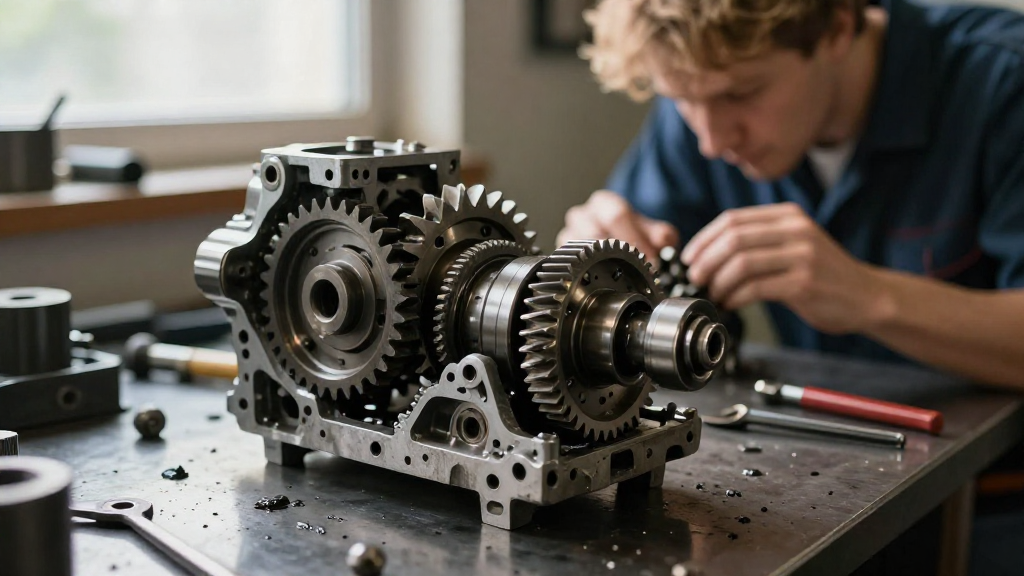
Rebuilding a gearbox can seem daunting, but with the right instructions, it’s a manageable task. In this gearbox rebuild guide, we’ll walk you through the essential steps to successfully rebuild different types of gearboxes, ensuring your vehicle remains in optimal condition.
What is a Gearbox?
A gearbox is a mechanical device that transfers power from the engine to the wheels, allowing your vehicle to change speeds efficiently.
Key functions include:
– Torque management: Adjusting the engine’s torque for better performance.
– Speed variations: Enabling different gear ratios for acceleration and deceleration.
– Driving dynamics: Enhancing handling and efficiency.
Understanding the basic components of a gearbox will help you during the rebuilding process.
Why Rebuild a Gearbox?
Rebuilding a gearbox can save money and extend the life of your vehicle.
Some common reasons for a gearbox rebuild include:
– Wear and tear: Over time, gears can wear down or become damaged.
– Fluid leaks: Leaking transmission fluid can lead to serious issues.
– Shifting problems: Difficulty in changing gears might indicate a need for a rebuild.
So, if you’re looking to improve your vehicle’s performance, consulting a gearbox rebuild guide is the best way to start.
What Tools Do You Need for a Gearbox Rebuild?
Before you begin, ensure you have the right tools:
- Wrenches and sockets: For removing bolts and nuts.
- Screwdrivers: Both flathead and Phillips types.
- Torque wrench: To ensure proper tightening of components.
- Pliers: For handling small parts.
- Clean cloths: For wiping down components.
- Gear oil: Essential for lubrication during assembly.
- Replacement parts: Including seals, gaskets, and bearings.
Having these tools at your disposal will make the rebuilding process significantly easier.
What Are the Steps to Rebuild a Gearbox?
Follow these steps carefully in your gearbox rebuild guide:
Step 1: Disassemble the Gearbox
- Remove the gearbox from the vehicle: This might require lifting the vehicle and removing the driveshaft.
- Drain the old oil: Make sure you replace the oil with fresh fluid after the rebuild.
- Take pictures: Document the assembly for reference during reassembly.
- Remove the end plate: Use a wrench to take off bolts and detach the end plate.
Step 2: Inspect the Parts
- Examine gears: Check for signs of wear or damage.
- Check bearings: Look for pitting or rough surfaces.
- Inspect the casing: Ensure there are no cracks or significant corrosion.
Step 3: Clean the Components
- Use a parts cleaner: Remove dirt and old oil from each piece.
- Dry thoroughly: Ensure that no moisture will be present during reassembly.
Step 4: Replace Worn Parts
- Install new bearings: If necessary, replace damaged or worn bearings.
- Change seals and gaskets: Ensure optimal sealing when you reassemble.
- Replace gears: Only if they show significant wear.
Step 5: Reassemble the Gearbox
- Follow your documentation: Use the pictures you took earlier as reference.
- Tighten bolts to specifications: Use a torque wrench to ensure they are tightened to the manufacturer’s specifications.
- Reattach the end plate: Make sure it aligns perfectly.
Step 6: Reinstall the Gearbox
- Lift the gearbox into the vehicle: Use a jack or hoist for safety.
- Reconnect the driveshaft: Ensure it fits securely.
- Fill with fresh fluid: Add the manufacturer-recommended gearbox oil.
How to Test Your Rebuilt Gearbox?
Testing is essential to confirm the rebuild was successful:
- Start the vehicle: Listen for any unusual noises.
- Check for leaks: Inspect around seals and gaskets.
- Drive the vehicle: Pay attention to how it shifts and engages.
If you notice any issues, revisit your assembly steps using the gearbox rebuild guide as a reference.
Are There Common Mistakes to Avoid?
While following this gearbox rebuild guide, avoid these common pitfalls:
- Skipping inspection: Always examine each part before reassembling.
- Neglecting lubrication: Ensure all components are properly lubricated.
- Over-tightening bolts: This can damage gears and casings.
Being mindful of these potential mistakes will help you achieve a successful rebuild.
When Should You Consider Professional Help?
If you encounter significant damage or lack the tools and experience to perform the rebuild, seeking professional assistance is advisable.
Consider consulting a professional when:
– The gearbox shows signs of severe damage.
– Specialized equipment is required for the rebuild.
– You’re unsure about your ability to complete the process correctly.
Finding a reputable mechanic experienced in gearbox repairs is vital for ensuring high-quality work.
Conclusion
Rebuilding a gearbox can be a rewarding DIY task, saving you money and enhancing your vehicle’s performance.
This gearbox rebuild guide has provided you with a step-by-step process to follow, making the task much more manageable.
By ensuring you have all the necessary tools and following the outlined steps, you can successfully complete a gearbox rebuild.
Should challenges arise, remember that professional help is always available to ensure your vehicle remains in top condition.
Final Thoughts
Arming yourself with the right information and tools is key to a successful gearbox rebuild.
With patience and diligence, you can breathe new life into your gearbox and ensure your vehicle performs at its best.
Refer back to this gearbox rebuild guide whenever you’re ready to tackle this project, and good luck!