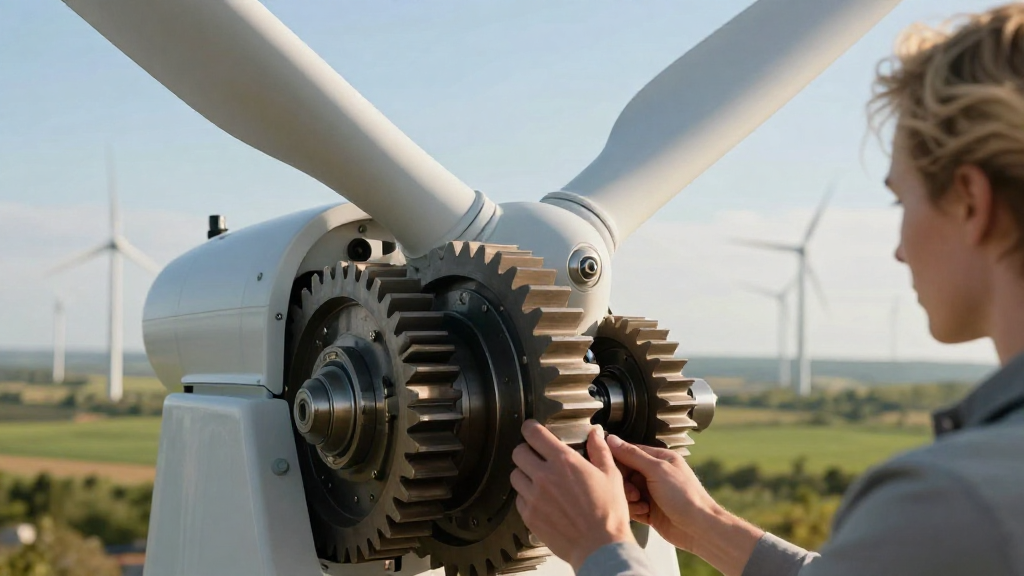
Gears in wind turbines play a crucial role in the effective conversion of wind energy into electrical energy.
Understanding how gears function in wind turbines can illuminate their importance in renewable energy production and wind technology.
What Are Gears in Wind Turbines?
Gears in wind turbines serve as mechanical devices that transfer energy between different components of the turbine.
These gears enable the rotor blades to turn, which ultimately leads to electricity generation.
How Do Gears Help Wind Turbines Work?
The gears in wind turbines are primarily used in two main systems:
-
Gearbox:
– This device connects the low-speed rotor to the high-speed generator.
– The gearbox amplifies the rotational speed of the rotor, which is crucial for generating electricity at an optimal level. -
Planetary Gear System:
– This is a specific type of gearbox that uses a series of gears to transmit power.
– It provides numerous benefits, including reducing the size and weight of the turbine.
Gears in wind turbines reduce the rotational speed of the turbine blades to a level appropriate for generating electrical power, ensuring efficient operation.
Why Are Gears Essential in Wind Turbines?
Gears are not just an accessory in wind turbines—they are vital components that ensure optimal energy conversion.
Key Functions of Gears in Wind Turbines:
- Increasing Rotational Speed:
- Wind usually moves at low speeds, whereas electrical generators require higher speeds to function effectively.
-
Gears in wind turbines adjust this difference, allowing generators to produce electricity efficiently.
-
Reliability and Durability:
- Gears are built to withstand extreme stresses and provide longevity.
-
Durability is essential given the constant exposure to the elements and wind pressures.
-
Energy Efficiency:
- Gears play a crucial role in maximizing the overall energy output of the turbine.
- Efficient gears can reduce energy loss and improve the turbine’s performance.
What Types of Gears Are Used in Wind Turbines?
Several types of gears are utilized in wind turbines, each serving a unique role:
-
Spur Gears:
– Straight-cut gears that offer high speed and efficiency.
– Often used in simple gear arrangements. -
Helical Gears:
– Angled teeth that provide smoother operation and higher load capacity.
– They are known for their quiet operation compared to spur gears. -
Bevel Gears:
– Connect shafts that are at right angles to each other.
– Useful in adjusting the direction of rotation. -
Planetary Gears:
– Consist of one or more outer gears (planet gears) revolving around a central gear (sun gear).
– Provides a compact design, high torque, and efficiency.
Each type of gear offers distinct advantages, making them suitable for different applications within the wind turbine system.
How Do Gears Impact Wind Turbine Efficiency?
The efficiency of gears in wind turbines can significantly influence the overall performance of the turbine.
For instance, a well-designed gearbox minimizes energy losses, allowing for greater energy conversion rates.
Factors Influencing Gear Efficiency:
- Material Quality:
-
Quality materials enhance durability and performance.
-
Precision Engineering:
-
Accurate machining and assembly are crucial for optimal function.
-
Lubrication:
- Proper lubrication minimizes friction, extending the life of the gears and enhancing efficiency.
How Do Gears in Wind Turbines Affect Maintenance Costs?
Maintenance is a crucial consideration for any wind energy project, and the gears in wind turbines can introduce both cost and complexity.
Maintenance Challenges Associated with Gears:
- Wear and Tear:
-
Gears experience significant stress and can wear over time. Regular maintenance checks are necessary to identify potential failures.
-
Lubrication Maintenance:
-
Gears require proper lubrication, and maintaining the right oil levels can be both time-consuming and costly.
-
Replacement Costs:
- If gears fail, replacement can be expensive, and downtime can lead to lost energy production.
Solutions to Reduce Gear Maintenance Costs:
- Condition Monitoring:
-
Utilizing technology that monitors the condition of gears can lead to early identification of issues and can prevent costly failures.
-
Upgraded Materials:
- Investing in advanced materials can reduce wear and extend gear life, ultimately lowering maintenance costs.
Are There Innovations in Gear Technology for Wind Turbines?
The wind energy sector is continually evolving, and innovations in gear technology are at the forefront of improving turbine efficiency.
Emerging Trends in Gears for Wind Turbines:
- Advanced Materials:
-
The development of new, resilient materials enhances gear strength and reduces maintenance needs.
-
Direct Drive Systems:
- Some modern turbines are moving towards direct drive technology that eliminates the gearbox entirely.
-
This shift reduces mechanical losses and maintenance costs associated with traditional gear systems.
-
Smart Gears:
- Integrating sensors into gear systems can provide real-time data on performance, significantly enhancing efficiency and reliability.
Conclusion: The Role of Gears in Wind Turbines
Gears in wind turbines are essential for optimizing performance and ensuring the efficient conversion of wind energy into electricity.
From the gearbox to planetary gear systems, the various types of gears play a significant role in increasing energy output while enhancing reliability and durability.
As technology advances, innovations in gear design and materials will continue to shape the future of wind energy production, contributing to cleaner and more sustainable energy solutions.
Understanding the role and functionality of gears in wind turbines is crucial for anyone involved in the renewable energy industry, from engineers to project managers.
By investing in high-quality gear solutions and focusing on maintenance and innovation, we can ensure wind turbines remain a cornerstone of a sustainable energy future.