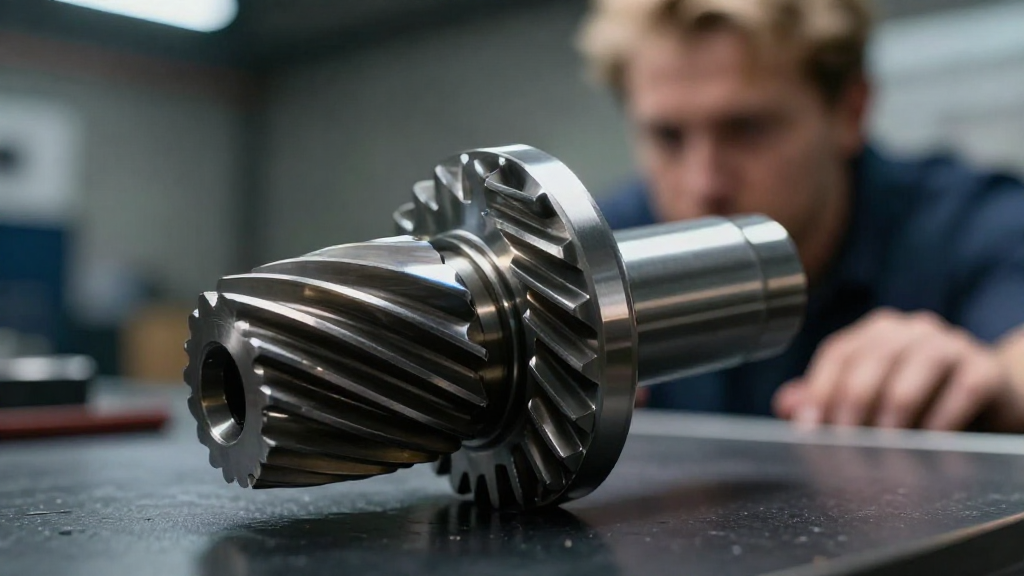
Hypoid gear characteristics play a crucial role in the design and functionality of various mechanical systems, especially in automotive differentials and industrial applications.
What Makes Hypoid Gears Unique?
Hypoid gears, a specialized form of bevel gears, differ markedly from other gear types.
Some key hypoid gear characteristics include:
-
Non-Intersecting Axes: Unlike traditional bevel gears which have their axes intersecting at a single point, hypoid gears have axes that do not meet. This allows for smoother engagement and improved load distribution.
-
Sliding Contact: Hypoid gears operate with a slight sliding motion between the gear teeth. This sliding characteristic enables better surface contact and contributes to higher torque capacity.
-
Higher Torque Capacity: Thanks to their unique design, hypoid gears can transmit more torque than comparable gears, making them suitable for heavy-duty applications.
-
Reduced Noise and Vibration: The gradual engagement of tooth surfaces minimizes noise and vibrations during operation, leading to smoother running functional components.
-
Ability to Design Compact Systems: Hypoid gears allow for design flexibility, enabling the production of compact gear systems, which is particularly beneficial in constrained spaces.
Why Are Hypoid Gear Characteristics Important?
Understanding hypoid gear characteristics is essential for engineers and designers to make informed decisions in their projects.
Here’s why these characteristics matter:
-
Enhanced Performance: The non-intersecting axis design and efficient load distribution mean hypoid gears can operate efficiently under high-stress conditions.
-
Longevity and Durability: Due to their unique sliding engagement, hypoid gears experience lower wear, which can extend their lifespan in machinery and vehicles.
-
Versatility in Applications: Hypoid gears are applicable in various industries, including automotive, aerospace, and heavy machinery. Their unique characteristics make them ideal for differing requirements.
How Do Hypoid Gears Compare to Other Gear Types?
When considering hypoid gear characteristics, it’s imperative to compare them to other gear types:
-
Bevel Gears: While both hypoid and bevel gears have teeth that are arranged at a 90-degree angle, hypoid gears are better for torque transmission and support smoother operations due to their sliding motion.
-
Spur Gears: In comparison to spur gears, which have straight teeth and are less flexible, hypoid gears can manage higher loads and offer more versatility in design.
-
Worm Gears: Worm gears provide significant speed reduction but generally have lower efficiency than hypoid gears in terms of torque transmission.
What Applications Use Hypoid Gears?
Given the unique hypoid gear characteristics, they find uses in various important applications:
-
Automotive Differentials: Hypoid gears are commonly used in vehicle differentials that necessitate smooth transitions of power to wheels and allow for differentiated wheel speeds during turns.
-
Industrial Machinery: Machines that require precise and reliable power transmission utilize hypoid gears due to their durability and efficiency.
-
Robotics Systems: In robotics, where space and weight are considerations, hypoid gears can provide compact power solutions.
-
Aerospace Applications: The lightweight and compact design of hypoid gears is advantageous in aircraft, where performance and reduced weight are critical.
What Are the Limitations of Hypoid Gears?
While understanding hypoid gear characteristics is essential, it is also critical to recognize their limitations:
-
Complex Manufacturing: The production of hypoid gears is more complex and requires precise machinery, thus leading to higher production costs.
-
Heat Generation: Hypoid gears can generate heat due to sliding motion, which may necessitate additional cooling measures in high-load applications.
-
Adjustment Needs: The unique positioning of hypoid gears may require more precise adjustments during installation to ensure optimal performance.
How to Select Hypoid Gears for Your Project?
When selecting hypoid gears, consider the following factors influenced by their hypoid gear characteristics:
-
Load Requirements: Determine the torque and load requirements of your application to ensure the selected hypoid gear can handle the necessary stresses.
-
Material Selection: Choose appropriate materials that can withstand regular wear and provide durability while also considering weight constraints.
-
Design Constraints: Evaluate available space and design parameters to ensure hypoid gears can fit into the intended system.
-
Cost vs. Benefit: While hypoid gears can be more expensive due to their manufacturing process, their long lifespan and performance benefits can justify the initial investment.
-
Manufacturer Reputation: Select reputable manufacturers known for producing high-quality hypoid gears to ensure reliability and performance.
What Maintenance Do Hypoid Gears Require?
To maximize the operational life of hypoid gears, maintenance is necessary. Here are some tips:
-
Regular Lubrication: Ensure proper lubrication to minimize wear and to manage heat generated during operation.
-
Monitor Performance: Regularly assess hypoid gear performance to identify any inefficiencies or signs of wear early on.
-
Inspect Alignment: Ensure gears are aligned correctly to avoid undue stress and wear on gear teeth.
-
Clean Environment: Keep the surrounding environment of the gear clean to prevent contaminants that can affect performance.
Conclusion
In conclusion, understanding hypoid gear characteristics is essential for anyone involved in mechanical design or engineering.
These gears offer distinct advantages due to their unique designs, enabling efficient power transmission in various applications.
By recognizing their strengths and limitations, you can make informed decisions in selecting the right gear system for your machinery, ensuring longevity and efficiency in performance.
Whether in automotive differentials or industrial applications, hypoid gears continue to be a cornerstone in modern mechanical systems.