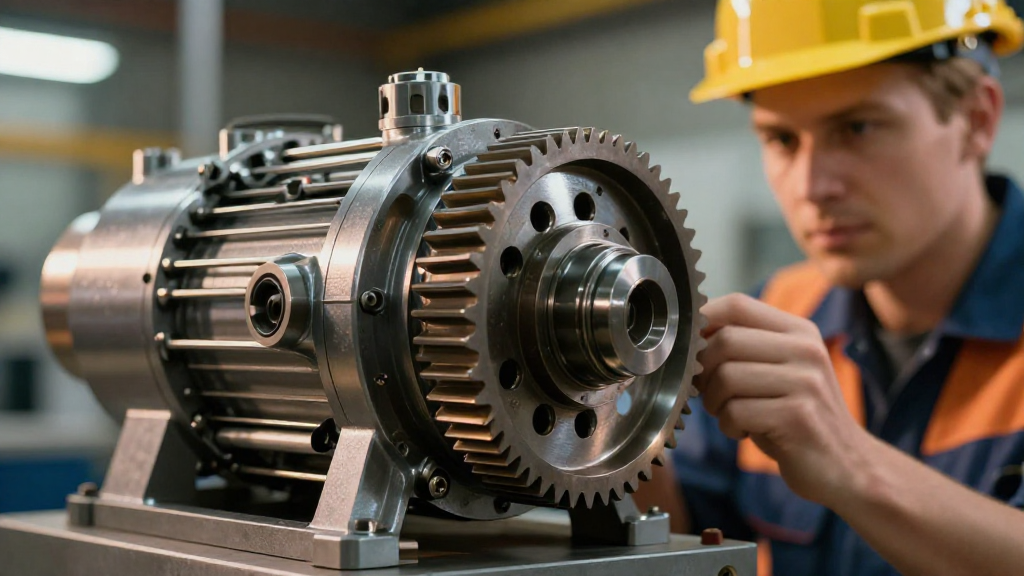
An inline gear reducer is a crucial component in various mechanical and industrial applications, designed to reduce the speed of a motor while increasing torque.
What Are the Components of an Inline Gear Reducer?
An inline gear reducer primarily consists of the following components:
- Input Shaft: The part connected to the motor, delivering power to the reducer.
- Output Shaft: This transmits the reduced speed and increased torque to the connected machinery or application.
- Gear System: The set of gears that facilitate the speed reduction and torque multiplication.
- Housing: The outer casing that protects the internal components from external elements and contains the lubrication oil.
Each of these components plays a vital role in the overall performance of the inline gear reducer.
How Does an Inline Gear Reducer Work?
An inline gear reducer operates on the principle of gear ratios. The motor’s power enters through the input shaft and engages the gear system.
Here’s how the process works step-by-step:
- Power Input: The motor spins the input shaft.
- Gear Engagement: The gears within the inline gear reducer engage, transferring power.
- Speed Reduction: As the gears interact, the output shaft rotates at a slower speed.
- Torque Increase: The reduction in speed leads to an increase in torque, allowing the machinery to perform its intended function more effectively.
The efficiency of this process is why inline gear reducers are commonly utilized in various applications.
What Are the Benefits of Using an Inline Gear Reducer?
Implementing an inline gear reducer in your machinery can offer numerous advantages:
- Increased Torque: By reducing speed, these reducers significantly increase the output torque, enabling heavy-duty applications.
- Space Efficiency: The compact design of an inline gear reducer allows for more straightforward integration into existing systems.
- Energy Efficiency: By optimizing speed and torque, inline gear reducers can contribute to energy savings in industrial operations.
- Minimal Maintenance: Designed to be robust, these reducers typically require minimal maintenance while extending the lifespan of machinery.
These benefits make inline gear reducers an attractive solution for meeting diverse industrial needs.
Where Are Inline Gear Reducers Commonly Used?
Inline gear reducers find their application across a vast array of industries, including:
- Manufacturing: Used in conveyor systems and robotics.
- Automotive: Employed in various vehicular applications, including electric motors for hybrid vehicles.
- Food Processing: Ideal for machinery that requires precise speed and torque adjustments.
- Pumping Systems: Often used to drive pumps, ensuring efficient fluid movement.
The versatility of inline gear reducers makes them essential in many sectors.
How Do I Choose the Right Inline Gear Reducer?
Selecting the appropriate inline gear reducer for your project involves considering several critical factors:
- Torque Requirements: Determine the amount of torque needed for your application.
- Speed Reduction Ratio: Identify the desired reduction ratio to achieve your target output speed.
- Mounting Type: Ensure that the reducer’s mounting configuration corresponds with your setup.
- Environment: Consider factors like temperature, dust, or moisture that can affect performance.
- Available Space: Assess the physical dimensions to guarantee proper fit in your application.
Taking these factors into account can lead to more informed decisions when choosing an inline gear reducer.
What Are the Different Types of Inline Gear Reducers?
Several variations of inline gear reducers exist, each tailored to specific applications:
- Helical Gear Reducers: Known for their efficiency and quiet operation, ideal for heavy-duty applications.
- Planetary Gear Reducers: Offer high torque in a compact size, suitable for robotics and automation systems.
- Spur Gear Reducers: Simple and effective, common in light-duty applications.
- Worm Gear Reducers: Provide high torque at low speeds, excellent for applications requiring significant speed reduction.
Understanding the different types can help you select the ideal inline gear reducer for your specific application.
How Do I Install an Inline Gear Reducer?
Proper installation of an inline gear reducer is crucial for optimal performance. Follow these steps for installation:
- Preparation: Gather all necessary tools and ensure you have the right reducer model.
- Alignment: Align the input and output shafts properly to avoid unnecessary wear.
- Mounting: Securely mount the reducer to its base, ensuring no misalignment occurs.
- Connect the Motor: Attach the motor to the input shaft, checking for proper alignment.
- Lubrication: Ensure the reducer is adequately lubricated following the manufacturer’s guidelines.
- Testing: After installation, perform tests to confirm the system operates smoothly and effectively.
Correct installation not only enhances performance but also ensures longevity for the inline gear reducer.
What Maintenance Does an Inline Gear Reducer Require?
To keep your inline gear reducer in good working order, regular maintenance is vital. Here are some key practices:
- Lubrication Checks: Regularly inspect and refill lubrication as per the manufacturer’s instructions.
- Visual Inspections: Look for signs of wear, unusual noises, or vibrations during operation.
- Mounting Tightness: Ensure all mounting bolts are tight and secure to avoid misalignment.
- Temperature Monitoring: Keep an eye on operating temperatures to prevent overheating.
Implementing these maintenance practices can significantly enhance the lifespan and reliability of your inline gear reducer.
Conclusion
Understanding what an inline gear reducer is and how it operates can significantly enhance your industrial applications or machinery performance.
These reducers offer a myriad of benefits, including space efficiency, increased torque, and minimal maintenance.
By choosing the right type and implementing proper installation and maintenance procedures, you can maximize the impact of an inline gear reducer in your projects.
Whether you are in manufacturing, automotive, or any other sector, choosing an inline gear reducer can be a strategic investment in boosting productivity and efficiency.