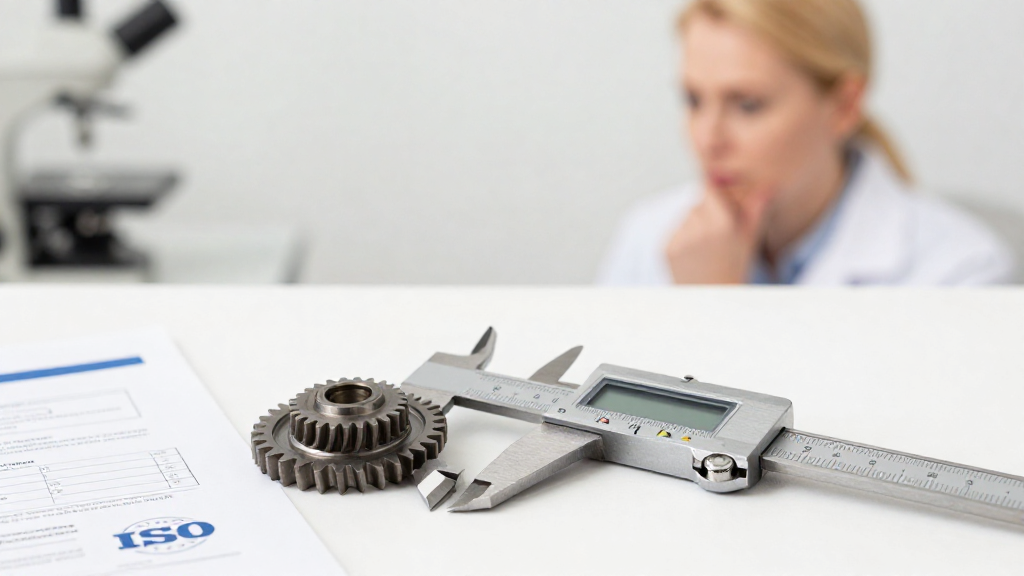
ISO gear standards play a vital role in ensuring the quality, safety, and interoperability of gears used in various mechanical applications.
Understanding these standards is essential for manufacturers, engineers, and anyone involved in gear production or maintenance.
Let’s dive deeper into what ISO gear standards are and why they matter.
What Are ISO Gear Standards?
ISO, or the International Organization for Standardization, is an internationally recognized body that develops and publishes standards for various industries.
ISO gear standards specifically focus on the design, manufacturing, and testing of gears used in machinery.
These standards provide guidelines that manufacturers must adhere to, ensuring that gears function correctly and efficiently across different applications.
Why Are ISO Gear Standards Important?
-
Consistency and Quality
ISO gear standards ensure that gears are produced consistently and meet quality benchmarks.
This consistency is crucial in preventing failures that could lead to machinery breakdown or safety hazards. -
Interoperability
Gears produced under ISO standards can easily be interchanged across different manufacturers.
This interoperability is vital in industries where specialized gears are necessary. -
Safety Assurance
Safety is paramount in machinery operation.
ISO gear standards help ensure that gears can withstand stress and operate reliably, reducing the risk of accidents. -
Global Trade Facilitation
Adhering to ISO standards helps manufacturers sell their products internationally.
These standards increase acceptance and trust in foreign markets. -
Cost Efficiency
Standards help reduce costs by minimizing failures and ensuring an efficient manufacturing process.
Quality products lead to fewer returns and warranty claims.
What Components Are Covered by ISO Gear Standards?
ISO gear standards cover a variety of components associated with gears, including:
-
Gear Types
From spur gears to bevel gears, each type is addressed with specific standards that cater to its unique applications. -
Material Specifications
The standards define the materials used in producing gears, such as steel, aluminum, or polymers.
Each material’s characteristics influence its performance and durability. -
Manufacturing Processes
Standards describe various manufacturing processes, such as machining, heat treatment, and surface finishing.
Adhering to these processes ensures quality and performance. -
Testing Procedures
ISO gear standards specify testing methods for evaluating gear performance, including load tests and fatigue tests.
These tests help verify that gears meet the required specifications.
Which ISO Gear Standards Should You Know About?
Several core ISO gear standards specifically address different aspects of gear design and manufacturing. Here are some of the most critical ones:
-
ISO 1328: This standard specifies the tolerances for cylindrical gears, ensuring uniform manufacturing processes.
It addresses aspects such as backlash and tooth flank contact. -
ISO 6336: This standard deals with the calculation of strength for cylindrical gears.
It outlines methods for assessing gear durability under various load conditions. -
ISO 5202: This standard focuses on the testing of gearboxes and gear units.
It provides guidelines for performance testing to ensure long-term reliability. -
ISO 4510: This outlines methods for measuring gear noise emissions, crucial in applications where noise reduction is necessary.
-
ISO 14691: This governs the handling and installation of gears, ensuring that gears are installed correctly to avoid premature failure.
How Can You Ensure Compliance with ISO Gear Standards?
Compliance with ISO gear standards is crucial for manufacturers aiming for quality and reliability. Here are steps to ensure compliance:
-
Understand the Standards
Familiarize yourself with the relevant ISO gear standards for your applications.
Review the documentation to comprehend specifications, tolerances, and testing methods. -
Implement Quality Control Processes
Establish rigorous quality control measures in your manufacturing process.
Regularly review and update these processes to align with ISO standards. -
Conduct Regular Training
Invest in training for your workforce about ISO gear standards.
Knowledgeable staff will better understand the importance of these standards and how to implement them. -
Use Certified Materials
Ensure that all materials used in gear production meet ISO standards.
Quality materials lead to reliable gear manufacturing. -
Engage with Auditors
Hire third-party auditors to evaluate your compliance with ISO gear standards.
Regular audits will help identify areas for improvement.
What Are the Benefits of ISO Certification for Gear Manufacturers?
-
Increased Marketability
Having ISO certification boosts your company’s credibility, making it more appealing to potential clients.
It demonstrates a commitment to quality and safety. -
Customer Satisfaction
Products that meet ISO gear standards are often of higher quality, leading to increased customer satisfaction.
Happy customers are more likely to return and recommend your services. -
Operational Efficiency
Implementing ISO standards often leads to improved processes and efficiency, reducing waste and costs.
Efficient operations contribute to overall business success. -
Risk Management
By adhering to ISO standards, manufacturers reduce the risks associated with gear failures, accidents, and legal liabilities.
This proactive approach protects both the company and its clients. -
Networking Opportunities
Being ISO certified opens doors to collaboration and partnerships with other ISO-compliant organizations.
Networking can lead to new business opportunities and joint ventures.
Conclusion: Why You Should Embrace ISO Gear Standards
ISO gear standards are essential for ensuring high-quality, safe, and reliable gears in various mechanical applications.
By understanding and implementing these standards, manufacturers can benefit from improved quality, customer satisfaction, and operational efficiency.
Engaging with ISO gear standards not only facilitates compliance and marketability but also strengthens risk management strategies.
As you navigate the complexities of gear manufacturing, embracing ISO gear standards can place your business on a path toward success.
In summary, ISO gear standards are not just guidelines but vital components that drive quality, safety, and innovation in the gear manufacturing industry.
Embrace them to enhance your products and secure a competitive edge in the global market.