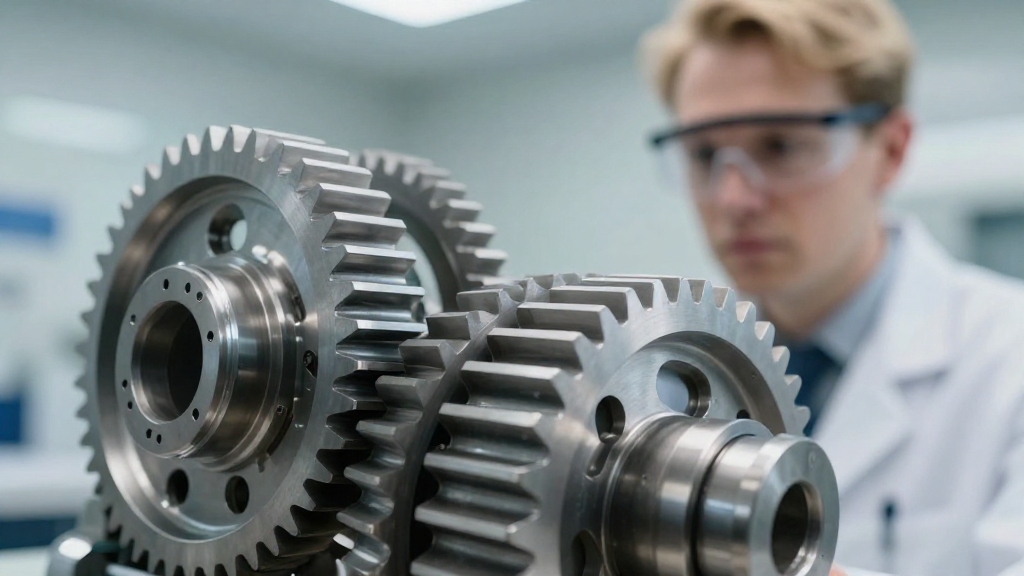
Reducing noise in gears is essential for enhancing the performance and longevity of machinery.
In this article, we will explore effective strategies for achieving noise reduction in gears.
What Causes Noise in Gears?
Before we delve into solutions for noise reduction in gears, it’s vital to understand the underlying causes.
Common factors that contribute to gear noise include:
- Gear Design: The geometry and construction of gears play a crucial role in their noise levels.
- Material: Different materials produce varying sound levels when in motion.
- Misalignment: Incorrectly aligned gears can create friction and noise.
- Lubrication: Insufficient or inappropriate lubrication often results in increased noise and wear.
- Operating Conditions: Loads and speeds beyond the gear’s capacity can exacerbate noise levels.
Understanding these causes is the first step toward mitigating noise.
How Can You Achieve Noise Reduction in Gears?
There are multiple methods to effectively reduce noise in gears. Here are some practical approaches:
1. Improve Gear Design
Optimizing gear design is a vital method for noise reduction in gears.
Consider the following design adjustments:
- Use Helical Gears: Helical gears engage more gradually than spur gears, leading to smoother operation and reduced noise.
- Profile Modification: Tailoring gear tooth profiles can minimize noise caused by sharp edges.
- Profile Shifting: This technique involves slightly altering the gear tooth shape to reduce contact stress and noise.
2. Select the Right Materials
The choice of materials significantly impacts gear noise.
Recommended materials include:
- Nylon: A great choice for reducing noise in gears due to its natural damping properties.
- Composite Materials: These materials offer the ability to reduce noise while maintaining strength and durability.
- Steel with Coatings: Surface treatments or coatings can enhance durability and contribute to effective noise reduction in gears.
3. Ensure Proper Alignment
Proper alignment of gears is crucial for minimizing noise.
To ensure correct alignment, follow these steps:
- Precision Machining: Use high-precision machines for gear fabrication to maintain consistent tolerances.
- Regular Inspection: Implement routine checks for alignment to identify any discrepancies early.
- Adjust as Necessary: If misalignments are found, realign gears promptly to avoid noise-causing friction and wear.
4. Utilize Appropriate Lubrication
Proper lubrication is essential for effective noise reduction in gears.
Here are some tips for optimizing gear lubrication:
- Choose the Right Lubricant: Consider viscosity and rheological properties when selecting lubricants.
- Regular Maintenance Schedule: Maintain a routine for checking and changing lubricants to ensure performance.
- Controlled Lubrication Systems: Implement systems that deliver the right amount of lubricant to address specific operating conditions.
5. Monitor Operating Conditions
Keeping an eye on operating conditions can greatly aid in noise reduction.
Consider the following:
- Load Management: Monitor loads on gears to prevent operating outside their designed capacity.
- Speed Control: Limiting speeds can significantly reduce noise levels. Do not exceed manufacturers’ recommendations.
- Vibration Analysis: Utilize vibration analysis to detect anomalies and adjust as needed.
Why is Noise Reduction in Gears Important?
Reducing noise not only enhances the user experience but also contributes to the longevity and efficiency of machinery.
Consider the following benefits:
- Increased Lifespan of Gears: Lower noise levels often correlate with less wear and tear.
- Improved Operational Comfort: Reduced noise leads to a more comfortable working environment.
- Reduced Maintenance Costs: Effectively managed noise often results in lower repair and maintenance needs.
Are There Advanced Technologies to Reduce Noise?
Yes!
There are several advanced technologies dedicated to achieving noise reduction in gears.
- Active Noise Control: This technology uses sensors and speakers to cancel out unwanted noise.
- Acoustic Enclosures: These structures can be installed around gear systems to minimize noise emission into the surrounding environment.
- Advanced Manufacturing Techniques: Techniques such as additive manufacturing can refine gear designs for better acoustics.
Conclusion: How to Implement Noise Reduction in Gears?
Implementing effective noise reduction in gears involves a combination of proper design, material selection, lubrication, alignment, and monitoring.
In summary, the most effective strategies include:
- Improving gear design by using helical gears and profile modifications.
- Selecting appropriate materials such as nylon and composites.
- Ensuring proper alignment through precision machining and regular inspections.
- Utilizing the right lubrication method and maintaining a proper maintenance schedule.
- Monitoring operational conditions to prevent overload and excessive speeds.
By integrating these strategies into your gear systems, you can significantly reduce noise and enhance performance.
Using these insights will foster an environment conducive to longevity and efficiency while aligning with the best practices in noise reduction in gears.
In the world of machinery, taking proactive measures against gear noise isn’t just a luxury—it’s a necessity.