Choosing astronomy gear for deep sky viewing is about more than aperture alone. The right mix of telescope, mount, filters, and accessories can make faint galaxies, nebulae, and clusters far easier to see.
This roundup focuses on equipment that helps you observe deeper, track better, and get cleaner views under real-world sky conditions.
Best 10 Astronomy Gear for Deep Sky Viewing Picks for 2026
ED Refractor for Serious Visuals

- 102mm ED refractor with 714mm focal length
- S-FPL51 glass helps reduce color fringing
- Dual-speed focuser and 360° rotator support imaging
Best For: Deep-sky observers who also want a camera-friendly refractor
Portable Sky Tracker Pick
Sky-Watcher Star Adventurer 2i Pro Pack
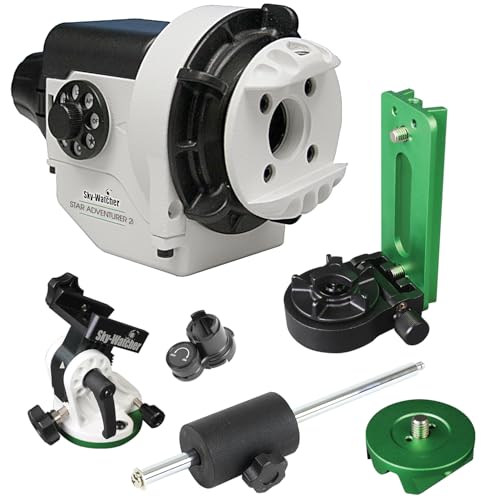
- Motorized tracker for nightscapes and wide-field imaging
- Works with existing photographic tripods
- Wi‑Fi control via the SAM Console app
Best For: Portable astrophotographers shooting Milky Way and wide-field targets
Entry-Level Deep Sky Dobsonian Alternative
150EQ Newtonian Reflector Telescope
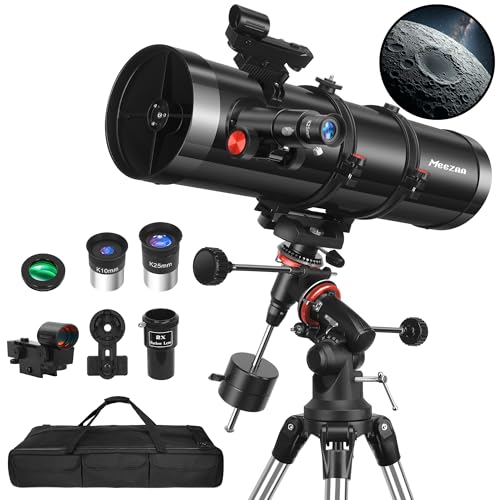
- 150mm aperture for bright, detailed views
- Equatorial mount with slow-motion controls
- Includes eyepieces, Barlow, moon filter, and carry bag
Best For: Beginners wanting a large-aperture starter scope for visual astronomy
Guiding Scope Essential
SVBONY SV165 30mm Mini Guide Scope
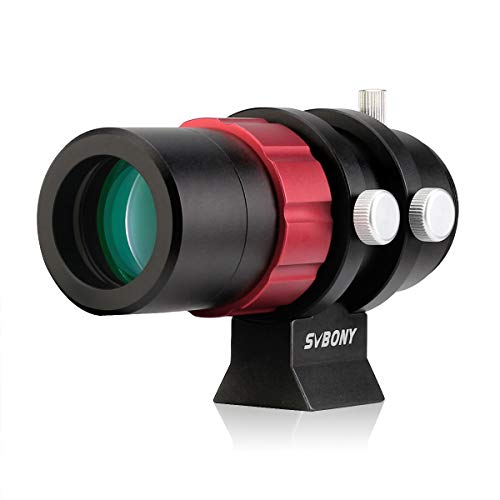
- 30mm f/4 guide scope with wide field of view
- Compatible with popular guiding cameras
- Lightweight CNC metal build with adjustable mounting
Best For: Astrophotographers needing a compact guide scope for deep-sky tracking
Deep-Sky Imaging Filter
SVBONY SV220 2" Dual-Band Nebula Filter

- Passes H-alpha and O-III nebula lines
- Over 94% transmission with light rejection
- Made for color cameras and astrophotography
Best For: color-camera astrophotography in light-polluted skies
Compact Telescope Tube
Sky-Watcher Skymax 102mm Maksutov-Cassegrain

- Compact 102mm Maksutov-Cassegrain design
- Matched optics and fully baffled tube
- Includes eyepieces, finder, and bag
Best For: compact, contrast-rich observing with included starter accessories
Nebula Contrast Booster
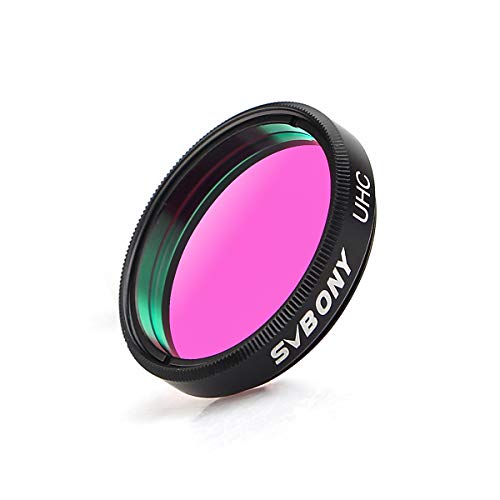
- Darkens sky background by reducing artificial light wavelengths
- Improves contrast on emission nebulae
- Fits standard 1.25-inch eyepieces and accessories
Best For: City and suburban observers focused on nebula viewing
Wide-Field Deep Sky Viewer
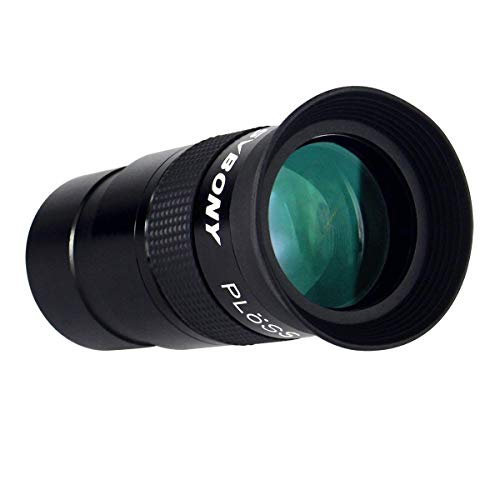
- 40mm focal length for broad-field deep sky views
- Fully multi-coated 4-element optical design
- Fold-down rubber eye guard and 1.25-inch barrel
Best For: Wide-field visual observing of nebulae and star clusters
Light Pollution Nebula Filter
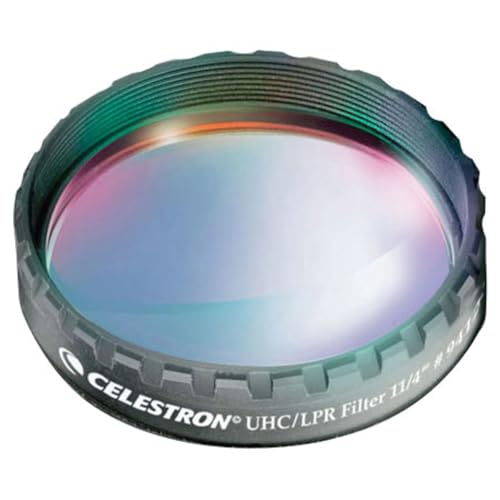
- Reduces selected artificial light wavelengths
- Improves nebula contrast and darkens background
- Standard 1.25-inch and 31.75mm thread fit
Best For: Visual observers in light-polluted locations
ED Refractor for Serious Visuals – SVBONY SV503 102mm f/7 OTA
If you want astronomy gear for deep sky viewing that also handles planets well, the SVBONY SV503 is built around a 102mm ED refractor design with a 714mm focal length. Its S-FPL51 glass, fully multi-coated optics, and dual-speed focuser make it a practical choice when you want brighter contrast, reduced color fringing, and easier critical focus for visual observing or imaging.
Best For: Observers who want a versatile 102mm ED refractor for deep-sky views, planetary detail, and astrophotography-ready focusing.
Pros:
- 102mm aperture and f/7 design offer solid light gathering with a manageable focal length.
- S-FPL51 ED glass helps reduce chromatic aberration for sharper, more natural-looking images.
- Dual-speed 1:10 focuser and 360° field rotator make fine focus and camera alignment easier.
- Retractable dew shield helps block stray light and protect the objective lens.
Cons:
- Sold as an OTA, so you still need a mount and accessories to use it.
- No finderscope is included in the supplied details.
- Best results depend on adding the right diagonal, eyepieces, or imaging gear.
Overall, this is a strong middle-ground telescope for people who want a cleaner image than basic achromats without jumping to a much more complex setup. It is especially appealing if deep-sky targets and camera-friendly focusing both matter to you.
Portable Sky Tracker Pick – Sky-Watcher Star Adventurer 2i Pro Pack
For astronomy gear for deep sky viewing through long-exposure photos rather than eyepiece use, the Sky-Watcher Star Adventurer 2i Pro Pack is a motorized tracking platform designed for portable nightscape work. It is aimed at capturing Milky Way detail, eclipses, panoramas, and wide-field astrophotography while staying compact enough to pair with an existing photo tripod.
Best For: Photographers who want a portable tracking mount for wide-field deep-sky and nightscape imaging.
Pros:
- Motorized tracking helps keep night-sky subjects steadier during longer exposures.
- Portable modular design works with existing photographic tripods.
- Supports wide-field astrophotography, time-lapse video, and telescopic use.
- Built-in Wi-Fi enables smartphone control through the SAM Console app.
Cons:
- This is a tracker, not a telescope, so you need optics or a camera setup separately.
- Best suited to wide-field work rather than high-magnification observing.
- Polar alignment is still part of the setup process.
In practical terms, this is the kind of gear that makes deep-sky imaging easier by handling the tracking job for you. If your goal is better nightscape photos and wide-field captures, it is a very focused tool.
Entry-Level Deep Sky Dobsonian Alternative – 150EQ Newtonian Reflector Telescope
If you are shopping for astronomy gear for deep sky viewing on a budget, this 150EQ Newtonian reflector gives you a large 150mm aperture and 650mm focal length for bright, detailed views. The package is aimed at beginners, but the equatorial mount, slow-motion controls, and included accessories make it more flexible than a barebones starter scope.
Best For: Beginners and families who want a large-aperture manual telescope for deep space, Moon, and planetary viewing.
Pros:
- 150mm aperture gathers plenty of light for deep space observation and brighter views.
- Includes two eyepieces, a 2X Barlow lens, and a moon filter for more viewing options.
- German equatorial mount with slow-motion controls helps with manual tracking.
- Carry bag, tripod, phone adapter, and red dot finderscope add convenience for setup and travel.
Cons:
- Manual tracking requires more hands-on adjustment than motorized mounts.
- Newtonian reflectors need proper collimation to perform at their best.
- Included magnification range may be more useful for general viewing than specialized imaging.
This model makes sense if you want a bigger aperture without a complicated upgrade path. It is a practical all-in-one starter package for learning the sky and seeing more of it right away.
Guiding Scope Essential – SVBONY SV165 30mm Mini Guide Scope
For astrophotographers building astronomy gear for deep sky viewing, the SVBONY SV165 is a compact 30mm guide scope made for auto-guiding cameras. Its wide field of view, fully multi-coated optics, and lightweight design are aimed at helping you find and track targets more easily during deep-sky imaging sessions.
Best For: Deep-sky imagers who need a lightweight guide scope for auto-guiding cameras.
Pros:
- 30mm achromatic optics and f/4 design provide a wide field of view.
- Compatible with mainstream auto guiding cameras from brands like ZWO, QHY, and Orion.
- 45mm back focus distance supports easy and precise focus adjustment.
- Lightweight CNC metal build and nylon-tipped thumbscrews add practicality and care for your gear.
Cons:
- It is a guide scope, not a main telescope for viewing on its own.
- Some camera models may require extra accessories to reach focus.
- Not compatible with dielectric mirror star diagonals according to the supplied notes.
This is a specialty accessory, but it fills an important role in a deep-sky imaging setup. If your priority is stable tracking and easy target acquisition with a guiding camera, it is a sensible compact option.
High-Magnification Binocular Pick – 18×70 Professional Astronomy Binoculars
For astronomy gear for deep sky viewing, these 18×70 binoculars are built for users who want more light and more reach than standard handheld optics. The 70mm objective lenses, BAK-4 prisms, and FMC coatings are aimed at brighter, higher-contrast views in dim conditions, while the tripod thread helps control shake at this power level.
Best For: Stargazers who want a large-aperture binocular setup for steady, tripod-based deep-sky scanning and moon viewing.
Pros:
- 18x magnification with 70mm objective lenses for strong light gathering
- BAK-4 prisms and fully multi-coated lenses for brighter, sharper low-light viewing
- IPX7 waterproof and fogproof construction for outdoor use
- Includes tripod adapter and smartphone adapter for steadier viewing and digiscoping
Cons:
- At 4.7 pounds, they are heavy for handheld use
- High magnification makes a tripod strongly recommended
- Best suited to stationary observation rather than quick scanning on the move
This is a practical pick if you want binocular-style astronomy gear with serious aperture and included mounting support. The bundled accessories add value, but the weight and power level make stability the key factor.
Deep-Sky Imaging Filter – SVBONY SV220 2" Dual-Band Nebula Filter
If you are building astronomy gear for deep sky viewing with a camera, this dual-band filter is designed to isolate nebula emission lines and cut down on skyglow. It passes H-alpha and O-III while rejecting out-of-band light, which can improve contrast when imaging from light-polluted locations or even under a full moon.
Best For: Astrophotographers using color CMOS, CCD, or digital cameras who want cleaner nebula images in bright skies.
Pros:
- Dual-band design transmits H-alpha and O-III nebula light
- Over 94% transmission with strong out-of-band light rejection
- Helps improve deep-sky imaging in cities and other light-polluted areas
- Waterproof optical glass and anodized aluminum frame
Cons:
- Not suitable for visual astronomy
- Not suitable for solar imaging
- Cannot be used with smart telescopes or telescopes at f/4 or faster
This is a targeted imaging accessory rather than a general-purpose filter. It makes the most sense if your setup and targets match its narrowband use case and camera compatibility.
Compact Telescope Tube – Sky-Watcher Skymax 102mm Maksutov-Cassegrain
Sky-Watcher Skymax 102mm Maksutov-Cassegrain - Large Aperture Compound-Style Reflector Telescope
Check Price On AmazonFor observers shopping astronomy gear for deep sky viewing in a smaller package, this 102mm Maksutov-Cassegrain emphasizes contrast and portability. Its matched optics, fully baffled tube, and 94% reflectivity mirror coatings are designed to produce darker backgrounds and clean, high-contrast views, and it ships with the basics needed to get started.
Best For: Beginners or experienced observers who want a compact, contrast-rich telescope tube with included accessories for general viewing.
Pros:
- 102mm aperture in a compact Maksutov-Cassegrain design
- Matched optics and fully baffled tube for contrast-rich views
- 94% reflectivity mirror coatings for strong light transmission
- Includes eyepieces, red-dot finder, star diagonal, and carrying bag
Cons:
- Not as large-aperture as bigger deep-sky instruments
- Manual focus and altazimuth mounting may be limiting for some users
- Best suited to users who are comfortable assembling and mounting a telescope
This is a solid all-in-one optical tube if you want a compact setup with good contrast and bundled starter accessories. It is a practical choice when portability matters as much as image quality.
Nebula Contrast Booster – SVBONY 1.25" UHC Filter
If you want astronomy gear for deep sky viewing that helps nebulae stand out from a bright sky, this SVBONY UHC filter is built for that job. It selectively reduces wavelengths from artificial light to darken the background and improve contrast on emission nebulae, while also working with standard 1.25-inch eyepieces and accessories.
Best For: Observers in city or suburban skies who want better nebula contrast and a simple 1.25-inch filter setup.
Pros:
- Reduces selected artificial light wavelengths to darken the sky background
- Improves contrast on emission nebulae and can also aid astrophotography
- Standard 1.25-inch barrel fits compatible eyepieces and accessories
- Optical glass lens with aluminum frame for a sturdy build
Cons:
- Designed for nebula contrast, so it is not a general-purpose brightness booster
- 1.25-inch format requires compatible eyepieces or adapters
This is a practical filter if your main goal is making nebulae easier to see against light pollution. It is especially appealing for visual observers who want a straightforward add-on rather than a more complex accessory.
Wide-Field Deep Sky Viewer – SVBONY 40mm Plossl Eyepiece
For astronomy gear for deep sky viewing, this SVBONY 40mm Plossl eyepiece is aimed at wide-field observing of star clusters, nebulas, and other large targets. Its 40-degree apparent field of view, fully multi-coated optics, and 4-element design are meant to deliver a broad, clear view through a standard 1.25-inch telescope setup.
Best For: Visual observers who want a long focal length eyepiece for wide-field views of clusters, nebulas, and lunar scenes.
Pros:
- 40mm focal length is suited to broad-field viewing of deep sky targets
- 4-element, fully multi-coated optical design for improved clarity
- 40-degree apparent field of view supports wide-field observing
- Fold-down rubber eye guard adds comfort and helps block stray light
Cons:
- 40-degree apparent field is relatively modest compared with wider eyepieces
- 1.25-inch format requires compatible telescope hardware
This is a solid pick when you want a simple, durable eyepiece for scanning large objects rather than chasing high magnification. The included filter thread also makes it easy to pair with standard astronomy filters.
Light Pollution Nebula Filter – Celestron 1.25" LPR Filter
This Celestron LPR filter is a straightforward option for astronomy gear for deep sky viewing when you want to cut down on artificial light. It selectively reduces certain wavelengths from light pollution, helping to improve nebula contrast and create a darker sky background in compatible 1.25-inch telescope setups.
Best For: Visual observers looking for a light pollution reduction filter with standard 1.25-inch compatibility.
Pros:
- Designed to selectively reduce wavelengths produced by artificial light
- Helps improve nebula contrast and darken the sky background
- High-transmission optical coating for visual use
- Fits standard 1.25-inch or 31.75mm thread sizes
Cons:
- Built for visual use rather than broad all-purpose filtering
- Requires compatible 1.25-inch telescope or camera threads
If your observing site has significant light pollution, this filter offers a practical way to make emission nebulae easier to see. It is a good match for astronomers who want a dependable, no-frills contrast aid from a known telescope brand.
How We Picked the Best Astronomy Gear for Deep Sky Viewing
We prioritized optical quality, usable aperture, mount stability, compatibility with common accessories, and real value for observers who want better faint-object performance. For Astronomy Gear for Deep Sky Viewing, reliability matters as much as raw specs, so we also considered ease of setup, tracking support, and how well each item fits a beginner-to-intermediate observing path.
Quick Comparison
Think of the list in three layers: optical tubes and binoculars for gathering light, mounts and trackers for keeping targets centered, and filters and eyepieces for improving contrast and framing. If you are building a first serious observing kit, start with a capable optic and stable support before adding specialty accessories.
Key Buying Factors for Astronomy Gear for Deep Sky Viewing
Aperture and Light Gathering
Faint targets benefit from larger apertures, but size should match your ability to transport, cool, and mount the instrument. Bigger is not automatically better if the setup becomes hard to use.
Optical Design
Reflectors, refractors, Maksutovs, and binoculars each serve different jobs. Wide-field viewing favors faster systems and binoculars, while compact compound scopes can be excellent for higher-contrast views of smaller objects.
Mount Stability and Tracking
For visual observing, a steady mount often improves the experience more than a small jump in aperture. For imaging or nightscapes, motorized tracking helps keep targets framed and reduces frustration during longer sessions.
Filters and Eyepieces
Narrowband, UHC, and light-pollution filters can improve contrast on emission nebulae, especially from suburban locations. A good low-power eyepiece also helps with star fields and locating large deep-sky objects.
Who Should Buy Which Astronomy Gear for Deep Sky Viewing?
New observers who want an easier start should look at stable, versatile optics with straightforward setup. If your main goal is astrophotography or tracked nightscapes, a motorized star tracker is a smarter first upgrade than more magnification. If you already own a telescope, filters and a wider eyepiece are cost-effective ways to improve deep-sky views without replacing the whole system.
For observers working under light pollution, prioritize contrast-enhancing filters and optics that hold collimation or focus well. For darker skies, a larger aperture and wide-field capability will usually deliver the biggest payoff.