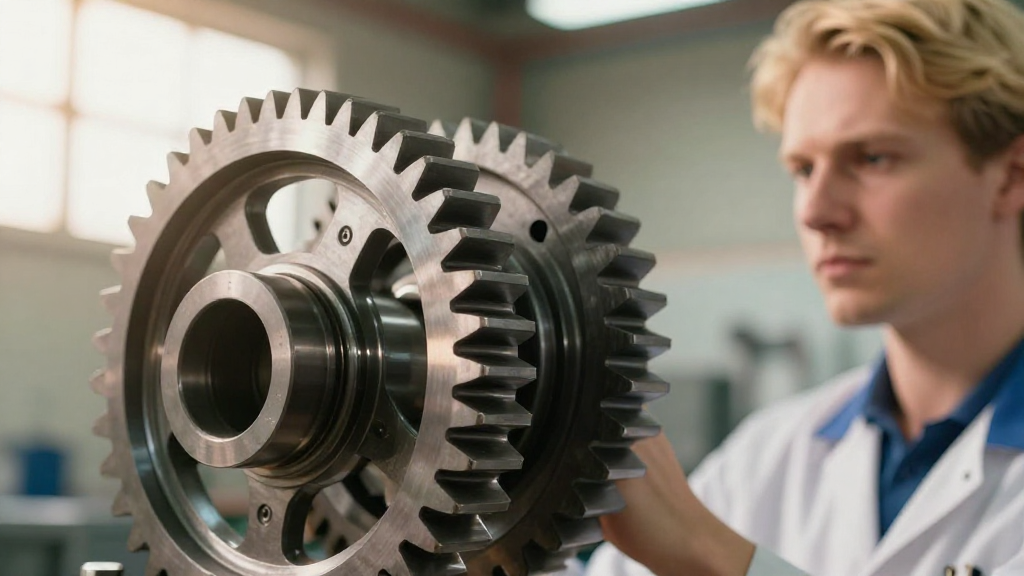
When it comes to mechanical design and engineering, the advantages of helical gears are numerous and impactful. Helical gears are a crucial component in various machinery and applications, offering unique benefits over other gear types.
What Makes Helical Gears Stand Out?
Helical gears are distinct due to their tooth design. Unlike spur gears, which have straight teeth, helical gears feature angular teeth that spiral around the gear. This geometry delivers several advantages that improve efficiency, performance, and longevity in mechanical systems. Let’s dive into the significant advantages of helical gears.
How Do Helical Gears Reduce Noise and Vibration?
One major benefit of helical gears is their ability to operate quietly and with minimal vibration.
-
Continuous Tooth Engagement: The helical design allows for multiple teeth to engage simultaneously, leading to a smoother transfer of power. This feature significantly reduces noise during operation.
-
Lower Vibration Levels: The gradual engagement of the teeth minimizes shock loads, resulting in less vibration. This is especially essential in applications where noise reduction is critical, such as in automotive and aerospace industries.
What Are the Benefits of Load Distribution?
The design of helical gears leads to excellent load distribution, making them suitable for various applications.
-
Improved Strength: The contact line extends across the teeth, distributing the load evenly. This distribution enhances the strength of the gear and prevents premature wear.
-
Higher Torque Capacity: Due to their robust design, helical gears can handle higher torque compared to spur gears. This superior torque capacity makes them ideal for high-performance machinery.
How Do Helical Gears Improve Efficiency?
Helical gears offer a more efficient way to transfer motion and power.
-
Smooth Operations: The angular teeth create a gradual engagement, reducing the likelihood of slippage. This smooth operation translates to improved energy efficiency.
-
Reduction in Energy Loss: With lower levels of energy lost to friction, machines equipped with helical gears tend to be more energy-efficient than those with spur gears. This efficiency can lead to significant energy savings in long-term operations.
What Are the Design Flexibility and Application Benefits?
The inherent design advantages of helical gears allow for great versatility in various applications.
-
Multiple Configurations Available: Helical gears can be designed in various configurations, including left-handed and right-handed designs. This flexibility makes them suitable for different types of machines and encoders.
-
Wide Range of Applications: Helical gears are prevalent in manufacturing, automotive, aerospace, and industrial applications. Their capability to offer efficient performance at different scales makes them invaluable.
How Do Helical Gears Reduce Wear and Tear?
The longevity of mechanical components is a key concern in engineering, and helical gears excel in this area.
-
Less Wear: The gradual tooth engagement reduces local stress concentrations, leading to less wear over time. This is particularly important for machines that operate continuously and under heavy loads.
-
Longer Service Life: With decreased wear and tear, helical gears often last longer than other gear types. A longer service life translates to lower replacement costs and improved reliability in operations.
Are Helical Gears Easy to Install and Maintain?
When considering the advantages of helical gears, it’s essential to discuss installation and maintenance.
-
Simple Installation Process: Their design allows for straightforward integration into various systems, making the setup relatively hassle-free for engineers and technicians.
-
Low Maintenance Requirements: Once installed, helical gears often require less routine maintenance due to their durability and reduced wear. This aspect can lead to further cost savings and operational efficiency.
What Are the Economic Advantages?
Beyond performance and operational benefits, helical gears provide significant economic advantages.
-
Reduced Operational Costs: With their efficiency and longevity, machines fitted with helical gears tend to incur lower operational costs over their lifespan.
-
Increased Productivity: Using helical gears can boost productivity levels in manufacturing environments, as their reliable performance reduces downtimes caused by gear failure.
Where Are Helical Gears Commonly Used?
Helical gears find applications in numerous fields, emphasizing their versatility.
-
Automotive Industry: They are used in transmissions, axles, and engine components due to their high load capacity and low noise operation.
-
Industrial Machinery: Common in conveyors, mixers, and other equipment, helical gears enable efficient power transfer in robust machinery.
-
Robotics and Automation: Their design allows for precise motion control, making them crucial in robotic applications.
Conclusion: Why Choose Helical Gears?
In conclusion, the advantages of helical gears are compelling for engineers and manufacturers alike. Their benefits, including quiet operation, improved load distribution, energy efficiency, reduced wear, versatility, and economic advantages, make them a preferred choice in various applications.
When designing your next mechanical system, consider the numerous advantages that helical gears offer. By integrating these gears, you pave the way for enhanced performance, increased reliability, and overall system efficiency.
In today’s competitive landscape, leveraging the advantages of helical gears can position your operation for optimal success in an ever-evolving market.