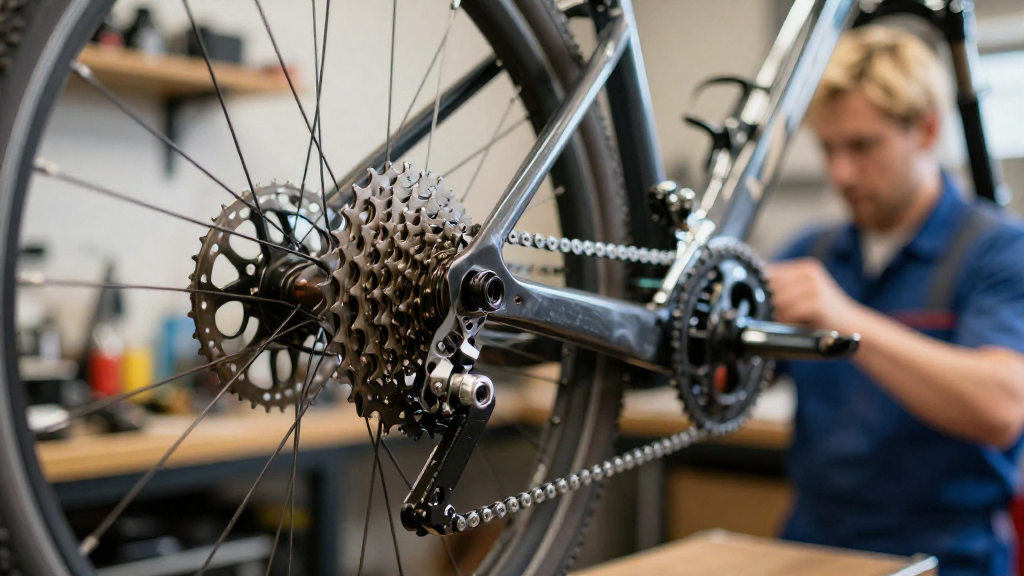
Understanding how a bicycle gear mechanism operates is essential for both casual riders and cycling enthusiasts. This article will delve into the various components and workings of a bicycle gear mechanism, making it easier for you to appreciate its intricacies.
What Are the Key Components of a Bicycle Gear Mechanism?
A bicycle gear mechanism consists of several essential parts, each contributing to its efficient function. Here are the main components:
-
Chain
The chain connects the front and rear gears, transferring power from the pedals to the wheels. -
Crankset
This includes the crank arms and the chainrings that turn when you pedal, providing the initial movement. -
Rear Derailleur
The rear derailleur is responsible for shifting the chain between the different gears on the rear cassette. -
Front Derailleur
Similar to the rear derailleur, it shifts the chain among the chainrings at the front. -
Cassette
This is a set of gears located on the rear wheel hub, allowing various gear ratios. -
Shifters
Control the derailleurs, allowing you to change gears based on your terrain and riding style. -
Cables and Housing
Cables connect the shifters to the derailleurs, facilitating gear changes.
Understanding these components will provide insight into how a bicycle gear mechanism functions efficiently.
How Does the Bicycle Gear Mechanism Work?
At its core, the bicycle gear mechanism works through the principle of gear ratios.
When you pedal your bike, the crankset turns, which moves the chain.
The movement of the chain is what allows you to change gears and control your speed and cadence based on the terrain.
What Are Gear Ratios and Why Do They Matter?
Gear ratios play a crucial role in the efficiency of a bicycle gear mechanism.
-
Definition: The gear ratio is determined by the number of teeth on the front chainring compared to the number of teeth on the rear sprocket.
-
Example: If you have a 50-tooth chainring in the front and a 10-tooth sprocket in the rear, your gear ratio would be 5:1. This means for every complete revolution of the pedals, the rear wheel turns five times.
Gear ratios impact the following:
-
Speed: Higher gear ratios make it easier to attain higher speeds on flat surfaces.
-
Climbing: Lower gear ratios are more suitable for climbing hills, providing more torque with less effort.
Understanding gear ratios offers valuable insight into how a bicycle gear mechanism optimizes performance.
How Do You Change Gears on a Bicycle?
Changing gears on a bike may seem complicated, but it’s quite straightforward when you grasp the mechanics behind the bicycle gear mechanism.
Steps to Change Gears
-
Anticipate the Terrain
Always anticipate upcoming changes in the terrain. Shift to an easier gear before hitting a hill. -
Use the Shifters
Push the left shifter to change the front derailleur and the right shifter to change the rear derailleur. -
Pedal Smoothly
While shifting gears, maintain a steady pedaling motion to ensure a smooth transition. -
Listen for Changes
Pay attention to the sound of the chain moving across the gears. It should transition smoothly without loud clanking noises. -
Adjust as Needed
If you encounter difficulty switching gears, adjust your pressure on the pedals and gently continue to pedal through the gear change.
By following these steps, you can utilize the capabilities of your bicycle gear mechanism effectively.
Why Does the Bicycle Gear Mechanism Require Maintenance?
Like any mechanical system, the bicycle gear mechanism necessitates maintenance to ensure optimal performance.
Key Reasons for Maintenance
-
Prevent Wear and Tear: Regular maintenance helps prevent the wear and tear of components, such as the chain, derailleurs, and cassette.
-
Improve Efficiency: A well-maintained gear mechanism enhances the efficiency of your bike, resulting in a better riding experience.
-
Avoid Breakdowns: Regular checks can identify potential issues before they result in a mechanical breakdown during a ride.
Basic Maintenance Tips
-
Clean the Chain: Use a degreaser and a brush to clean the chain regularly. This prevents grime build-up, reducing friction.
-
Lubricate the Chain: After cleaning, apply a suitable lubricant to keep the chain moving smoothly.
-
Check Cable Tension: Ensure that the cables connected to your derailleurs maintain appropriate tension for efficient gear changes.
-
Inspect Gears: Regularly check the gears for any signs of damage or misalignment. Proper alignment ensures smooth gear transitions.
Maintaining your bicycle gear mechanism will extend its lifespan and enhance your riding experience.
How Do Different Types of Gears Influence Performance?
Bicycles come with various types of gears, each designed for specific riding conditions. Understanding these gears can help you choose the right bike for your needs, maximizing performance.
Types of Gears
-
Single Speed
– Ideal for flat terrains.
– Simple design with no shifters.
– Lightweight and requires less maintenance. -
Internal Hub Gears
– Enclosed gears that require low maintenance.
– Good for urban commuting.
– Allows for gear changes at a standstill. -
Derailleur Gears
– Offer a wide range of gear options.
– Best suited for various terrains, including hilly trails.
– Allows for fine-tuning of gear selections.
These types of gearing systems illustrate the versatility of the bicycle gear mechanism, each tailored for unique riding styles and conditions.
Conclusion: Why Understanding the Bicycle Gear Mechanism Is Important
Grasping how a bicycle gear mechanism works can enhance your cycling experience significantly.
From understanding gear ratios to maintaining your bike, knowing the ins and outs of your bicycle’s gears equips you to make informed decisions.
Regular maintenance, appropriate gear selection, and understanding shifting techniques allow you to become a more skilled cyclist.
The next time you hop on your bicycle, take a moment to appreciate the remarkable engineering behind the bicycle gear mechanism.
With the right knowledge, you’ll not only ride better but also enjoy the journey more fully.