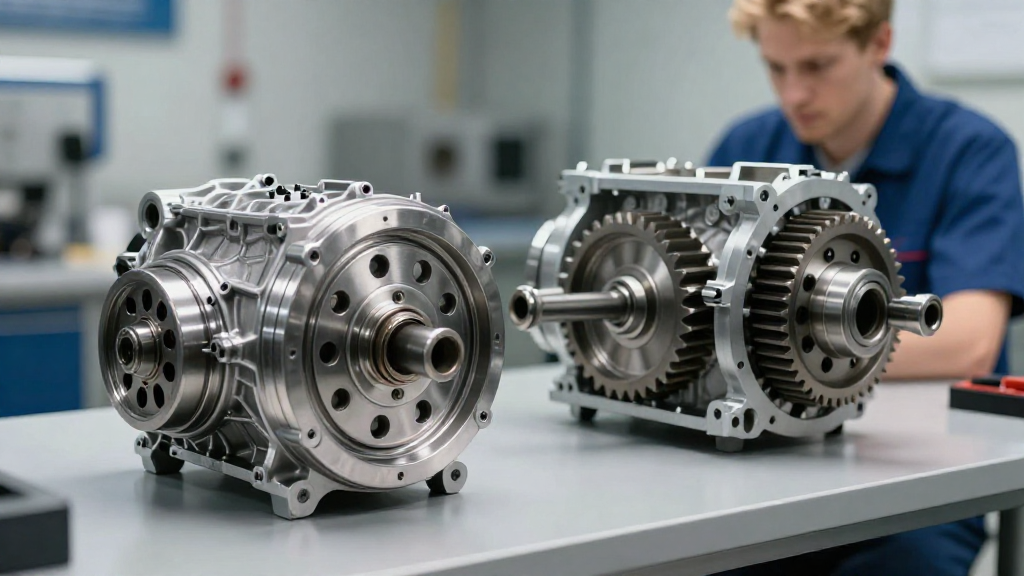
When it comes to understanding the differences between CVT vs geared transmission, it’s essential to weigh the advantages and disadvantages of each system.
This guide will break down the two types of transmissions, allowing you to make an informed decision for your vehicle choice or future purchase.
What is a CVT?
A continuously variable transmission (CVT) is a type of automatic transmission that can change seamlessly through a continuous range of gear ratios. This allows for smooth acceleration without the distinct shift points found in conventional automatic or manual transmissions.
How Does a CVT Work?
- Mechanism: CVTs use a belt and pulley system to vary the gear ratio dynamically.
- Efficiency: They optimize engine performance by keeping the engine in its most efficient RPM range.
- Driving Experience: This leads to a smoother driving experience, especially in stop-and-go traffic.
What is a Geared Transmission?
In contrast, a geared transmission, also commonly known as a conventional transmission, operates through a set of fixed gear ratios.
These transmissions can be manual or automatic and require drivers to shift gears at defined intervals.
How Does a Geared Transmission Work?
- Fixed Gear Ratios: Each gear ratio provides a specific range of power and speed.
- Shifting: Manual transmissions require drivers to shift gears consciously, while automatics do this for them.
- Engagement: Drivers experience distinct shifts, creating a different sensation of acceleration compared to CVTs.
What Are the Pros of CVTs?
1. Enhanced Fuel Efficiency
- Fuel Economy: CVTs can provide better fuel economy compared to geared transmissions.
- Optimal RPM: The ability to maintain the engine at its most efficient RPM improves overall fuel efficiency.
2. Smooth Acceleration
- Linear Power Delivery: CVTs offer seamless power delivery, eliminating the typical shift shock.
- Driving Comfort: For everyday driving, this results in a more pleasant driving experience.
3. Simplicity in Design
- Fewer Moving Parts: CVTs have fewer components, which can lead to reduced maintenance issues.
- Lightweight: The design typically weighs less than traditional geared systems, contributing to better performance.
What Are the Cons of CVTs?
1. Performance Limitations
- Power Handling: CVTs may struggle with high-performance situations and heavy towing.
- Engine Response: Some drivers report a lack of direct engagement due to the smoothness of operation.
2. Reliability Concerns
- Durability: There have been concerns about the longevity of CVTs, particularly in highly used vehicles.
- Heat Sensitivity: CVTs can develop issues under extreme heat conditions, which are not uncommon in heavy-duty driving.
3. Driving Feel
- Lack of Engagement: Some drivers prefer the feel of shifting gears and may find CVTs lack excitement.
- Variable RPM Noise: The engine can sometimes produce a drone at a constant RPM, which can be undesirable.
What Are the Pros of Geared Transmissions?
1. Direct Power Transfer
- Engine Response: Geared transmissions offer a more direct connection to the engine, enabling faster acceleration.
- Driver Control: Manual options allow drivers to engage more directly with their vehicle’s performance.
2. Proven Reliability
- Durability: Geared transmissions have a long history of reliability and are often more robust than CVTs.
- Less Sensitive: They tend to perform well under a variety of driving conditions without the same level of concern required for CVTs.
3. Performance Versatility
- Effective in Various Situations: Geared transmissions find favor in sport and off-road applications where immediate power transfer is critical.
- Customizability: Drivers can select different gears to match their driving style or terrain.
What Are the Cons of Geared Transmissions?
1. Fuel Efficiency Challenges
- Subpar Mileage: In many cases, geared transmissions can result in lower fuel efficiency compared to CVTs.
- RPM Fluctuation: The fixed gear shifts can lead to less optimal fuel consumption during driving.
2. Less Smooth Acceleration
- Shift Shock: The transition between gears can produce noticeable shifts, which might be uncomfortable for some drivers.
- Driver Distraction: Manual options require more attention for gear changes, potentially distracting drivers.
3. Complexity in Design
- More Components: Both types of geared transmissions involve more moving parts, potentially increasing maintenance issues.
- Weight: They can be heavier than CVTs, affecting vehicle performance and handling.
CVT vs Geared Transmission: Which is Right for You?
Consider Your Driving Needs
- Daily Commuters: If you prioritize fuel efficiency and a comfortable driving experience, a CVT might be ideal.
- Performance Enthusiasts: For those who enjoy driving with more engagement and responsiveness, geared transmissions are likely the best fit.
Evaluate Your Vehicle Type
- Family Cars: Many family-oriented vehicles are available with CVTs, making them a popular choice.
- Sports Cars or Trucks: If you need a vehicle for towing or high-performance driving, geared transmissions often outperform CVTs.
Long-Term Considerations
- Maintenance: Look at long-term reliability when deciding between transmission types.
- Driving Style: Personal driving style plays a significant role in your satisfaction with CVTs or geared transmissions.
Conclusion: Understanding CVT vs Geared Transmission
In summary, the debate of CVT vs geared transmission ultimately hinges on your individual needs and preferences.
CVTs offer superior fuel efficiency and a smoother ride, making them ideal for everyday driving.
On the other hand, geared transmissions deliver more driver engagement, reliability, and versatility for performance-oriented drivers.
By considering your unique driving requirements and preferences, you can make an informed decision between these two transmission types.