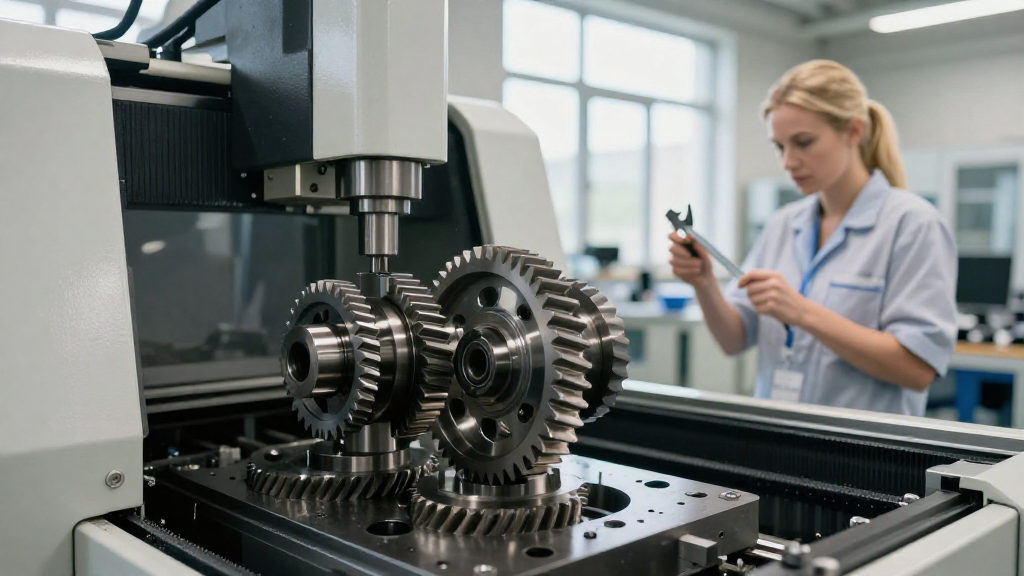
Understanding the gear manufacturing cost is crucial for businesses in various industries, from automotive to aerospace.
Several factors influence how much it costs to manufacture gears.
By examining these elements, one can determine the most effective ways to manage and optimize expenses.
What Are the Key Factors Influencing Gear Manufacturing Cost?
- Material Selection
The type of material used in gear production significantly affects the gear manufacturing cost.
Common materials include:
– Steel
– Aluminum
– Plastic
– Composite materials
Each material has its own cost implications.
For instance, high-strength steel may be more expensive but offers enhanced durability.
- Production Volume
The quantity of gears being produced directly impacts the cost per unit.
Larger production volumes often lead to lower costs due to economies of scale.
However, initial setup costs can be significant, particularly for custom gear manufacturing.
When planning production, consider whether it’s more cost-effective to create:
– Larger batches
– Smaller, prototype runs
- Manufacturing Techniques
The method used in gear production can greatly affect the gear manufacturing cost.
Common manufacturing techniques include:
– CNC Machining: Offers precision but can be labor-intensive.
– Casting: Generally less expensive for high volumes, though not suitable for all applications.
– Forging: Provides strength but can carry higher upfront costs.
Each technique has its own advantages and drawbacks, influencing the overall production budget.
- Complexity of Design
Gears with intricate designs and specific tolerances will generally be more expensive to manufacture.
The complexity includes factors such as:
– Geometry
– Tolerances
– Surface finish requirements
A more complex design will require:
– Advanced machinery
– Skilled labor
– Extended production time
This directly translates to a higher gear manufacturing cost.
How Does Labor Impact Gear Manufacturing Cost?
Labor costs are a significant component of the gear manufacturing cost.
Highly skilled workers may demand higher wages, but their expertise can enhance production quality.
Consider these labor-related aspects:
– Skill Level: More experienced technicians can produce high-quality gears quickly.
– Location: Labor costs vary by region. Countries with lower wages might provide cheaper manufacturing options.
– Overhead: Costs related to hiring, training, and benefits can add to the overall expense.
Investing in skilled labor may seem costly initially but can result in less waste and greater efficiency.
What Role Does Technology Play in Gear Manufacturing Cost?
In today’s digital era, technology plays a pivotal role in determining the gear manufacturing cost.
Advanced manufacturing technologies, such as:
– 3D Printing: Allows for rapid prototyping and helps reduce initial costs.
– CAD Software: Improves design accuracy and efficiency, minimizing costly errors.
– Automation: Streamlines processes and reduces labor hours, leading to lower production costs.
However, implementing cutting-edge technology can require substantial upfront investments.
How Do Regulatory Compliance and Quality Standards Affect Costs?
Compliance with industry regulations and adherence to quality standards can significantly impact the gear manufacturing cost.
Key regulations relate to:
– Safety standards
– Environmental guidelines
– International quality certifications (e.g., ISO)
Manufacturers may face costs related to:
– Testing and documentation
– Training for compliance
– Upgrading equipment to meet standards
Non-compliance can lead to hefty fines and product recalls, underscoring the importance of adhering to regulations.
Can Supply Chain Dynamics Influence Gear Manufacturing Cost?
Absolutely! Supply chain factors play a crucial role in determining the gear manufacturing cost.
These dynamics include:
– Material Prices: Fluctuations in raw material costs can directly affect production expenses.
– Supplier Reliability: Consistent and reliable suppliers can stabilize costs, while unreliable ones may increase risk and cost.
– Logistics Costs: Shipping and handling can significantly add to the overall manufacturing cost.
Using multiple suppliers or investing in local sourcing can help mitigate some of these supply chain risks.
What is the Impact of Customization on Gear Manufacturing Cost?
Customization can be a double-edged sword when it comes to the gear manufacturing cost.
While tailored gears may meet specific needs, they typically carry a higher price tag due to several reasons:
– Increased engineering time
– Specialized production runs
– Higher material waste
However, customized gears are often more effective for specific applications, potentially resulting in greater long-term savings.
How Do Market Demand and Competition Affect Gear Manufacturing Cost?
Market dynamics, including demand fluctuations and competition, can have a pronounced effect on the gear manufacturing cost.
As demand increases, manufacturers may face higher costs due to:
– Material shortages
– Increased labor requirements
– Urgent turnaround times
Conversely, intense competition can drive prices down, pushing manufacturers to find ways to reduce their costs without compromising quality.
Manufacturers must stay alert to market trends to adapt their strategies accordingly.
Conclusion: How to Manage Gear Manufacturing Cost Effectively
To summarize, understanding the various factors that influence the gear manufacturing cost can help manufacturers make informed decisions.
By optimizing materials, production volumes, and manufacturing techniques, it’s possible to reduce expenses.
Consider employing modern technology and investing in skilled labor to improve efficiency and quality.
Furthermore, maintaining a healthy supply chain and staying aware of market trends will provide additional levers to manage costs effectively.
Ultimately, a comprehensive approach is essential for controlling and optimizing your gear manufacturing cost and ensuring sustainable business growth.
By directing focus to these key areas, you can achieve significant savings while producing high-quality gears.