Winter RV trips can be comfortable and reliable with the right cold-weather upgrades. The best rv gear for winter camping helps prevent frozen lines, reduce heat loss, and keep key systems working when temperatures drop.
In this roundup, we focused on practical gear that improves insulation, protects plumbing, and supports safer, easier cold-weather travel without overcomplicating setup.
Best 10 Rv Gear for Winter Camping Picks for 2026
Frost-Ready Water Hookup
RVGUARD Heated Water Hose 25FT

- Freeze protection to -20°F
- Lead- and BPA-free water path
- Five-layer build with stainless connectors
Best For: RV owners needing a compact heated hose for cold-weather hookups
Draft Blocker Upgrade

- Thick cotton insulation helps block drafts
- Magnetic closure for hands-free entry
- No-tools install with hook-and-loop fasteners
Best For: Campers wanting an easy door insulation upgrade
Deep-Freezing Water Line

- Freeze protection down to -45°F
- Self-regulating heating for lower power use
- Lead- and BPA-free with kink-free flow
Best For: RVers in severe cold who need a longer heated hose
All-Season Entry Shield
Magnetic RV Insulated Thermal Door Curtain

- Three-layer insulated construction
- Magnetic seam for hands-free entry
- Blocks light, drafts, and outside noise
Best For: RV owners who want a simple thermal door barrier
Winterizing Essential
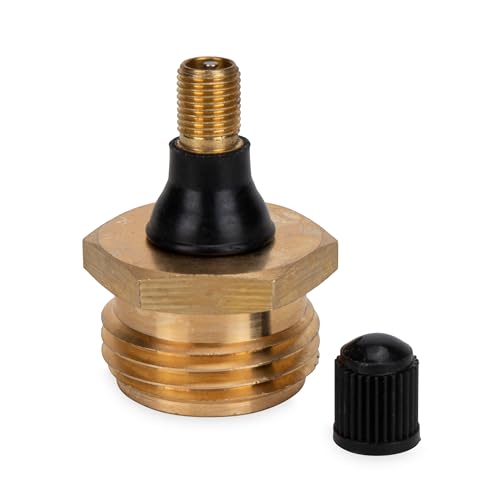
- Uses compressed air to flush water lines.
- Heavy-duty brass construction.
- Compatible with most standard air compressors.
Best For: RV owners winterizing their plumbing before freezing weather.
Vent Comfort Upgrade
Blackout RV Skylight Insulator

- Three-layer design blocks light and helps reduce heat transfer.
- Adds privacy and seasonal comfort.
- Velcro installation is quick and tool-free.
Best For: Campers who want an insulated vent cover for privacy and temperature control.
Cold-Water Solution

- Freeze protection rated to -45°F.
- Smart thermostat cycles to save energy.
- 30-foot flexible hose for winter hookups.
Best For: Campers needing a heated hose for reliable cold-weather water supply.
Insulated Ground Barrier

- Double-sided foil helps reflect heat.
- Waterproof and easy to clean.
- Lightweight and folds for transport.
Best For: RV and tent campers needing a lightweight cold-ground insulator
Frozen-Waste Protection

- Heated sleeve helps prevent freezing.
- Standard bayonet-style RV fit.
- Sealing ring is meant to reduce leaks.
Best For: Cold-weather RVers who need freeze protection for sewer dumping
Tank Freeze Guard

- Automatic thermostat turns heat on and off.
- Sized for fresh, gray, and black tanks.
- 3-pack covers multiple tanks or vessels.
Best For: Rigs needing automatic freeze prevention for holding tanks
Frost-Ready Water Hookup – RVGUARD Heated Water Hose 25FT
If you need dependable rv gear for winter camping, this heated water hose is built to keep your water line usable in serious cold. It offers freeze protection down to -20°F, uses a thermostat that cycles to save energy, and is made with lead- and BPA-free materials for safer everyday use.
Best For: RV owners who want a compact, easy-to-connect heated hose for freezing conditions.
Pros:
- Freeze protection down to -20°F with an energy-saving thermostat.
- Lead-free and BPA-free for cleaner water use.
- Five-layer hose construction and stainless steel connectors help resist leaks.
- Includes a 3/4 inch GHT adapter for broad US water-source compatibility.
Cons:
- 25-foot length may be short for some campsite layouts.
- Designed for heated use, so it depends on available power.
For winter RV hookups where reliability matters, this hose focuses on the basics: freeze resistance, safe water materials, and straightforward installation. It’s a practical pick if you want a simpler heated-hose setup for cold-weather trips.
Draft Blocker Upgrade – RV Insulated Door Cover
This insulated door cover is a smart add-on for rv gear for winter camping if your biggest heat loss comes through the entry door. With thick cotton filling, Oxford fabric, and magnetic closure, it’s designed to help block cold air, reduce light, and make winter RV living feel less drafty.
Best For: Campers who want an easy, no-tools way to improve door insulation and privacy.
Pros:
- Thick cotton filling helps keep heat in and cold out.
- Magnetic seam allows hands-free entry and exit.
- Oxford fabric with waterproof backing adds weather resistance.
- Installs with hook-and-loop fasteners and adhesive tape, with optional nails for extra stability.
Cons:
- Requires measuring carefully for the best fit.
- Only helps where the door is a major source of drafts.
As a winter comfort upgrade, this door cover is less about full RV winterization and more about targeting one of the most common heat-loss points. If your entry area feels chilly, it can be a simple way to make the cabin warmer and quieter.
Deep-Freezing Water Line – VEVOR 30ft Heated Water Hose
For rv gear for winter camping in harsher climates, this heated water hose is aimed at keeping water flowing when temperatures plunge to -45°F. It uses a self-regulating design, drinking-water-safe materials, and a kink-free structure, making it a strong choice when you need both freeze protection and steady flow.
Best For: RVers camping in very cold conditions who need longer hose reach and stronger freeze protection.
Pros:
- Rated for antifreeze protection down to -45°F.
- Self-regulating heating helps reduce power use as the hose warms.
- Lead- and BPA-free materials support safe drinking water use.
- 5/8″ I.D. and kink-free construction are designed for smoother water flow.
Cons:
- Heated operation requires a suitable GFCI outlet.
- Heavier than shorter or simpler hose options.
This hose stands out for cold-weather performance and practical flow features, especially if you want a longer 30-foot run. It’s a useful option when winter temps are severe and water access is non-negotiable.
All-Season Entry Shield – Magnetic RV Insulated Thermal Door Curtain
This magnetic door curtain is a practical choice in rv gear for winter camping when you want to reduce drafts at the entry while keeping the setup simple. Its three-layer construction, including waterproof Oxford fabric and thick cotton padding, is designed to retain heat, block light, and improve privacy.
Best For: RV and camper owners who want a quick-install thermal door barrier with magnetic closure.
Pros:
- Three-layer build with thick cotton padding for insulation.
- Magnetic seam closes automatically after passing through.
- Waterproof Oxford exterior helps resist wind, moisture, and dust.
- Also helps reduce noise and block light for added privacy.
Cons:
- Must be sized carefully to fit the door opening.
- Best results depend on a snug installation.
As a door-focused winter accessory, this curtain is about comfort and convenience more than major structural winterization. If your goal is to cut entry drafts, improve privacy, and keep the inside feeling more controlled, it fits the job well.
Winterizing Essential – Brass RV Blow Out Plug
For rv gear for winter camping, a blow out plug is one of the simplest tools for protecting your water system before temperatures drop. This brass Camco plug lets you use compressed air to flush water from your RV lines, helping prep the plumbing for winter storage and making dewinterization easier later.
Best For: RV owners who want a straightforward winterizing tool for clearing water lines before freezing weather.
Pros:
- Uses air pressure to help flush water from RV water lines.
- Supports winterization and dewinterization with the same tool.
- Heavy-duty brass construction for durable, season-after-season use.
- Schrader valve compatibility works with most standard air compressors.
Cons:
- Requires an air compressor with a compatible tire inflator attachment.
- Focused on winterizing plumbing rather than general RV use.
This is a practical pick if your main goal is helping reduce leftover water in the plumbing before a cold-weather trip or storage period. It is a small, specialized accessory, but it fits a very specific winter prep job well.
Vent Comfort Upgrade – Blackout RV Skylight Insulator
If you are shopping for rv gear for winter camping, an insulated vent cover can make the cabin feel more comfortable without much effort. This RV skylight insulator shade is designed to block sunlight and add insulation, helping reduce heat transfer while also improving privacy inside the RV.
Best For: Campers who want a simple interior vent cover for privacy and seasonal temperature control.
Pros:
- Three-layer design helps block light and reduce heat transfer.
- Can help keep the RV cooler in summer and warmer in winter.
- Pre-attached Velcro and extra Velcro make installation easier.
- Lightweight and easy to remove, attach, and store.
Cons:
- Made for 14×14 inch RV vents, so fit is size-dependent.
- Primarily for interior skylight and vent coverage rather than whole-RV insulation.
This is a useful comfort-focused accessory if your priority is controlling light and improving cabin feel around the vent area. It is a simple add-on, but its layered construction makes it a practical seasonal upgrade.
Cold-Water Solution – Heated RV Water Hose 30FT
For rv gear for winter camping, a heated water hose is a major convenience because it helps keep water flowing in freezing conditions. This 30-foot Cupohus hose is built for cold weather, with freeze protection down to -45°F and a thermostat system that turns heating on and off automatically based on temperature.
Best For: RV campers who need a heated drinking-water hose for reliable winter hookups.
Pros:
- Designed for freeze protection in temperatures as low as -45°F.
- Automatic thermostat helps manage energy use by cycling on and off.
- Fast-response sensor reacts in about 10 seconds.
- Adjustable temperature control lets you tailor settings to conditions.
Cons:
- Heated hoses are more specialized than standard water hoses.
- Weight and cord setup may require a little planning for placement.
This is the most temperature-focused option in the group and is aimed squarely at keeping your water supply usable in severe cold. If winter hookups are part of your camping plan, the smart thermostat and long hose length make it a strong utility pick.
Insulated Ground Barrier – Reflective Camping Mat
If you’re building out rv gear for winter camping, this insulated mat is a simple way to add a thermal barrier under a sleeping bag, cot, or tent setup. The double-sided aluminum foil and EPE foam are designed to reflect heat and help block cold ground, while the waterproof surface makes it practical for damp campsites and easy cleanup.
Best For: RV campers and tent users who want a lightweight ground insulator for sleeping or cold-weather floor coverage.
Pros:
- Double-sided aluminum foil helps reflect heat back toward the sleeping area.
- Waterproof construction is useful on wet ground and for easy cleaning.
- Very lightweight at about 160 g, so it packs easily with winter camp gear.
- Large 78.7″ x 59″ size covers a good amount of floor or sleeping space.
Cons:
- Very thin at about 0.20 cm, so it is more of an insulating layer than a padded mat.
- Not a heated product; it only helps retain warmth.
For winter camping, this is best viewed as a compact thermal barrier rather than a comfort pad. It makes sense when you want extra warmth, easy packing, and a waterproof layer you can use in a tent or RV setup.
Frozen-Waste Protection – Heated RV Sewer Hose Sleeve
When you’re comparing rv gear for winter camping, a heated sewer hose kit is a practical upgrade for cold weather sanitation. This 20-foot hose uses an electric heated sleeve and thick heating cotton to help keep waste moving and reduce freezing, while the bayonet-style fitting and sealing ring are meant to improve compatibility and help prevent leaks.
Best For: RV owners camping in freezing temperatures who need sewer hose freeze protection and easier dumping.
Pros:
- Electric heated sleeve is designed to help keep the sewer hose from freezing.
- Bayonet-style fitting works with standard RV sewer outlets.
- Thickened rubber sealing ring is intended to help prevent leakage.
- Flexible TPE hose is built for ultra-low temperatures and heavy pressure.
Cons:
- Heated design requires power, so it is not a passive solution.
- At 20 feet long and 3.61 kg, it is bulkier than basic sewer hoses.
This is a utility-first winter RV accessory, not a comfort item, but it can make cold-weather camping much easier to manage. If you routinely camp below freezing, the heated sleeve and freeze-prevention focus are the main reasons to consider it.
Tank Freeze Guard – 3-Pack RV Heater Pads
For rv gear for winter camping, tank heat protection is one of the most practical upgrades you can make. This 3-pack of 12″ x 18″ heater pads is designed for fresh, gray, and black water tanks up to 50 gallons, with a built-in thermostat that turns on at 45°F and off at 68°F to help prevent freezing automatically.
Best For: RV, trailer, and marine owners who want automatic tank freeze prevention in cold weather.
Pros:
- Automatic thermostat helps manage heating without constant monitoring.
- Works on fresh, gray, and black water tanks up to 50 gallons.
- 3-pack coverage is useful if you need to protect multiple tanks.
- Flame-retardant, aluminum-foil construction is built for cold-weather use.
Cons:
- Requires a 12V or 13.5V power supply; it is not for 24V or 48V systems.
- Must be installed correctly and used only when there is water in the tank.
This is a strong pick if your priority is keeping tanks usable through freezing nights rather than adding general cabin warmth. The automatic thermostat and multi-tank setup make it especially practical for rigs that stay out in true winter conditions.
How We Picked the Best Rv Gear for Winter Camping
We selected products that solve the most common winter RV problems: frozen water hoses, heat loss through doors and vents, and vulnerable tanks and sewer lines. We favored items with clear freeze-protection claims, practical installation, and strong use cases for real-world winter travel.
For Rv Gear for Winter Camping, usefulness matters more than novelty. Every item here should either preserve heat, protect water systems, or make winter setup simpler and more dependable.
Quick Comparison
Heated hoses are the first priority if you need running water in freezing temperatures. Insulated door covers, skylight shades, and thermal pads help reduce drafts and retain warmth inside the RV. Winterizing tools and tank heaters are best for protecting plumbing systems and waste components during sustained cold.
Best for Water Protection
Choose a heated hose, tank heater pad, or sewer hose heat solution if your main concern is freezing water lines or tanks.
Best for Interior Comfort
Choose door insulation, skylight covers, or an insulated sleeping pad if your goal is keeping the cabin warmer with less furnace use.
Key Buying Factors for Rv Gear for Winter Camping
Freeze rating: Check the temperature rating and make sure it matches the cold you actually camp in. A hose rated to mild freezing conditions may not be enough for deep-winter travel.
Power requirements: Heated products rely on 12V or AC power, so confirm compatibility with your RV setup, campsite hookups, and battery capacity.
Insulation quality: For covers and pads, look for multi-layer construction, reflective backing, magnetic seals, or snug fit dimensions that reduce drafts and heat leakage.
Installation and storage: The best winter gear should be easy to deploy, remove, and store. This is especially important for travelers who move campsites often.
System compatibility: Match hose fittings, tank sizes, vent dimensions, and sewer line lengths carefully. A good fit usually matters more than extra features.
Who Should Buy Which Rv Gear for Winter Camping?
If you camp in below-freezing weather, start with a heated hose and winterizing protection for your water system. If your rig feels drafty, prioritize door and skylight insulation first. If you boondock or travel in prolonged cold, tank heaters and sewer protection are smarter long-term upgrades. Budget-focused buyers should start with the most vulnerable part of their setup, while frequent winter travelers may want a full insulation-and-plumbing kit approach.
Overall, the best Rv Gear for Winter Camping is the equipment that protects your specific weak points before freezing temperatures cause a problem.