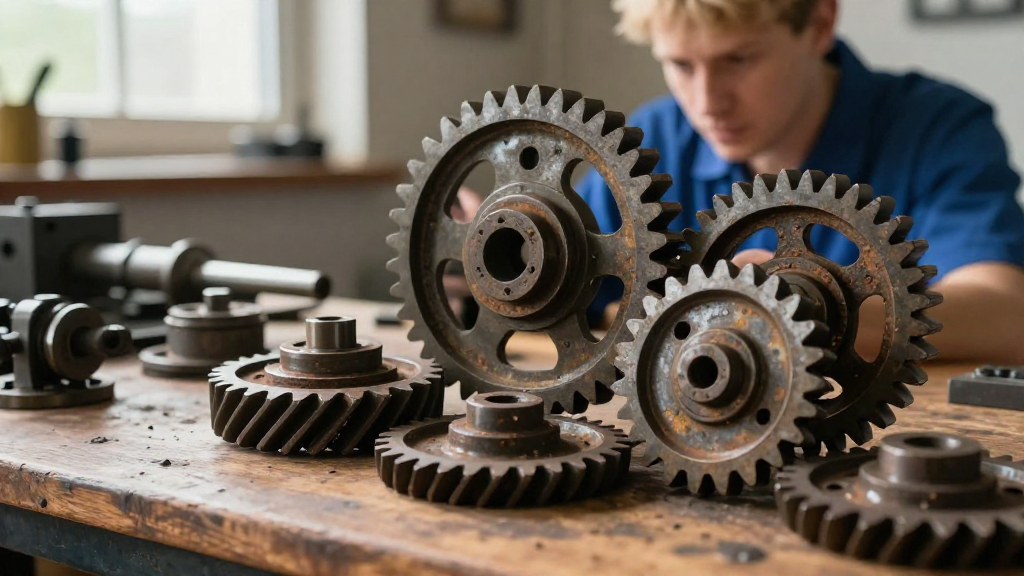
Understanding common gear problems is crucial for anyone who operates machinery, whether it’s for personal or industrial use.
This article aims to shed light on some of the most prevalent issues associated with gears, helping you to identify and address them before they lead to significant failures.
What Are Gear Problems and Why Do They Occur?
Gear problems can arise due to several factors:
- Improper lubrication
- Misalignment
- Excessive wear and tear
- Overloading
- Manufacturing defects
These issues can result in not only decreased performance but also, in serious cases, catastrophic equipment failure.
In this section, we will delve deeper into the most common gear problems, exploring their symptoms and potential solutions.
What Are the Symptoms of Common Gear Problems?
Recognizing the symptoms of common gear problems early on can save time and money. Here are some symptoms to watch for:
- Unusual Noises: Grinding, whining, or clunking sounds can indicate worn-out gears or insufficient lubrication.
- Vibrations: Excessive vibrations might point to misaligned gears or damaged gear teeth.
- Heat Generation: If gears become excessively hot, it can signify overheating due to overloading or improper lubrication.
- Difficulty in Shifting: If your machinery struggles to change gears, it can be a sign of alignment or wear issues.
- Debris in Lubrication: The presence of metal shavings or debris in the lubrication can indicate gear wear.
Understanding these symptoms is key to addressing any common gear problems promptly.
How Do Misalignment Issues Affect Gears?
Misalignment is one of the most common gear problems that can lead to significant wear and inefficient functioning.
When gears are not aligned correctly, it can cause:
- Increased friction: This can lead to overheating and faster degradation of the gear teeth.
- Uneven wear: Misaligned gears experience inconsistent contact, leading to faster wear on one side.
- Higher operational noise: Gears may produce unusual or loud noises due to improper contact.
To resolve misalignment issues, technicians can perform adjustments to ensure gears are properly aligned, often using precision measuring tools.
Why Is Lubrication Key in Preventing Gear Problems?
Proper lubrication is essential for the longevity and performance of gears.
Inadequate lubrication can lead to several common gear problems, including:
- Overheating: Lack of lubrication increases friction, causing gears to heat up excessively.
- Wear and Tear: Insufficient lubrication means that gears are not protected from wear, leading to premature failures.
- Corrosion: Without proper lubrication, gears can develop rust and corrode, reducing their effectiveness and lifespan.
To prevent these issues, ensure regular checks and maintenance of the lubrication system, including oil changes and using the correct lubricant specifications.
How Do Common Gear Problems Lead to Wear?
Wear and tear is a natural part of a gear’s lifecycle, but it can accelerate due to various factors, including:
- Insufficient lubrication
- Overloading beyond design capacity
- Contamination from dirt or debris
The gradual degradation can lead to:
- Pitting: Small holes or cracks on gear surfaces.
- Spalling: Larger flakes of material breaking free from gear teeth.
- Surface roughening: Leading to increased friction and noise.
To mitigate wear, it is advisable to monitor load conditions and maintain a clean environment for gears. Regular maintenance and inspections can significantly extend the life of gears by addressing common gear problems before they escalate.
What Should You Do When You Encounter Gear Problems?
When faced with common gear problems, it’s essential to take the right steps:
- Stop the machinery: Continuing operation can lead to more severe damage.
- Diagnose the issue: Use visual inspections and monitoring tools to identify the problem.
- Consult technical manuals or professionals: Referencing manufacturer guidelines can provide insight into common issues and recommended fixes.
- Perform repairs or replacements: Depending on the severity, you may need to replace gears or utilize specialized repair techniques.
- Implement maintenance protocols: After resolving the issue, establish regular checkups to prevent recurrence.
Taking proactive measures can ensure your equipment runs smoothly and efficiently, thus avoiding the most troublesome common gear problems.
Are There Specific Types of Gear Problems You Should Know About?
Certain types of gear problems are more prevalent within specific gear systems. Here are a few types categorized by their functions:
-
Spur Gears:
– Backlash Issues: Excessive gaps between gears can lead to inefficiency.
– Tooth Wear: Heavy loads can cause visible wear on teeth. -
Bevel Gears:
– Angular Misalignment: Misalignment in bevel gears can result in excessive noise and heat.
– Surface Pitting: Fatigue under high load can lead to wear on the tooth surface. -
Worm Gears:
– Overheating: Due to torque loads, worm gears can generate significant heat if not properly lubricated.
– Inadequate Load Capacity: If overloaded, worm gears can face premature failure. -
Planetary Gears:
– Uneven Wear and Noise: Lack of lubrication can lead to uneven gear teeth wear and operational noise.
Having specific knowledge of these gear types and their common gear problems can aid in more targeted preventative measures.
How Do You Prevent Common Gear Problems?
Adopting effective strategies can significantly reduce the occurrence of common gear problems. Here are some recommended practices:
- Regular Maintenance: Schedule periodic inspections and maintenance checks to spot early signs of wear or misalignment.
- Proper Training: Ensure that operators are well-versed in the machinery and aware of the potential issues that can arise.
- Use Quality Parts: Always opt for high-quality gears and lubrication that meet OEM specifications.
- Monitor Equipment Load: Avoid exceeding rated capacities to minimize stress on gears.
- Maintain Cleanliness: Keep machinery clean from debris that can interfere with gear operation.
By implementing preventative measures, you can reduce downtime and the financial impact associated with common gear problems.
Conclusion
In conclusion, while common gear problems can pose significant challenges, understanding their symptoms, causes, and solutions allows you to take proactive measures.
Whether it’s addressing misalignment or ensuring proper lubrication, being aware of these issues is critical for anyone dealing with gears.
By recognizing the signs and taking appropriate action, you can ensure that your machinery remains efficient and reliable for years to come.
Stay vigilant, and prioritize gear maintenance to overcome the challenges of common gear problems effectively.