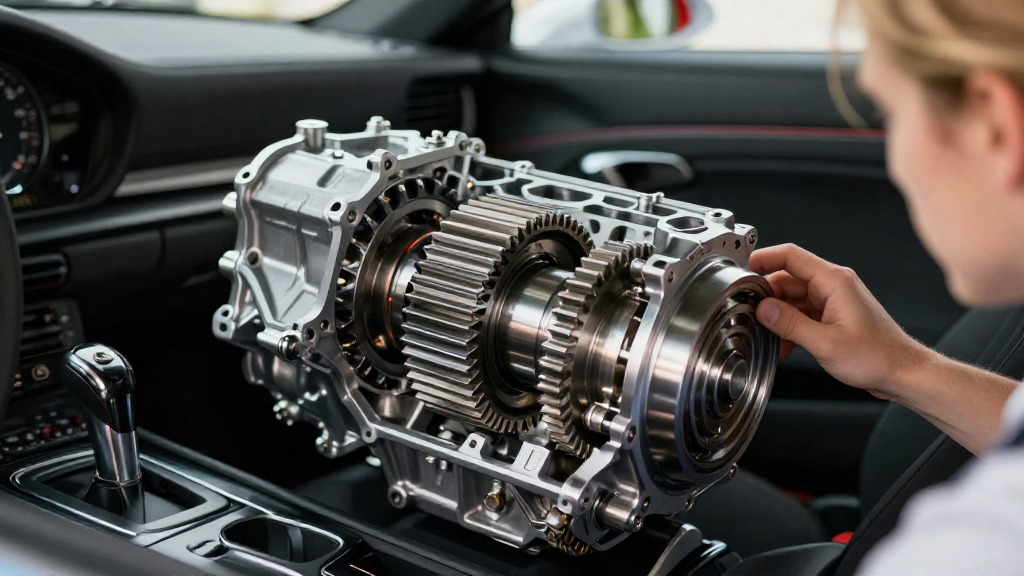
Understanding dual clutch gearbox basics is essential for anyone interested in modern automotive technology.
This unique system allows for faster gear changes and enhanced performance in vehicles, making it a popular choice among car enthusiasts and manufacturers alike.
What Exactly is a Dual Clutch Gearbox?
A dual clutch gearbox (often abbreviated as DCT) is a type of automated transmission that uses two separate clutches for odd and even gears.
In essence, the system anticipates which gear will be needed next and pre-selects it, allowing for lightning-fast gear shifts.
How Does a Dual Clutch Gearbox Work?
The dual clutch gearbox operates using two primary clutches:
- Odd Clutch (Clutch 1): Engages the odd-numbered gears (1st, 3rd, 5th).
- Even Clutch (Clutch 2): Engages the even-numbered gears (2nd, 4th, 6th).
Here’s a quick rundown of how it works:
- When the vehicle is in 1st gear, the odd clutch is engaged.
- While the odd clutch is active, the even clutch pre-selects the gear for the next shift.
- As the driver accelerates, the transmission shifts to 2nd gear instantly, releasing the odd clutch while engaging the even clutch.
- This seamless transition eliminates almost all interruption to the power flow, resulting in a smooth and rapid gear change.
By leveraging the strengths of both clutches, a dual clutch gearbox enhances the driving experience, particularly in performance-oriented vehicles.
What Are the Key Advantages of a Dual Clutch Gearbox?
A dual clutch gearbox presents numerous benefits over traditional automatic and manual transmissions. Here are the key advantages:
- Faster Gear Changes: Shifts happen almost instantaneously, which improves acceleration and overall responsiveness.
- Improved Fuel Efficiency: By optimizing gear transitions, a DCT can help in maintaining lower engine rpms, leading to better fuel consumption.
- Enhanced Driving Experience: With the ability to provide a more connected drive, it offers both automatic and manual driving options.
- Reduced Torque Loss: The dual-clutch system minimizes the lag that is often present in conventional automatic transmissions.
- Sophisticated Control: Many DCTs come equipped with adaptive algorithms that learn a driver’s habits, enabling optimal performance.
Are There Any Disadvantages to a Dual Clutch Gearbox?
While dual clutch gearbox basics showcase many advantages, there are some downsides to consider:
- Complexity and Cost: DCT systems are more complex than traditional gearboxes, often resulting in higher repair costs.
- Overheating Issues: In some cases, especially when towing or in stop-and-go traffic, DCTs can overheat.
- Driving Style Compatibility: The clutch engagement can be less smooth at low speeds compared to conventional automatics, making city driving less pleasant.
How Do Dual Clutch Gearboxes Compare to Other Transmissions?
Understanding dual clutch gearbox basics is incomplete without comparing them to other types of transmissions, such as:
- Manual Transmissions: Manual gearboxes need more driver involvement but can provide greater control. However, they lack the speed of a DCT.
- Conventional Automatic Transmissions: Traditional automatics offer smoother acceleration but shift slowly when compared to a DCT.
- Continuously Variable Transmissions (CVT): CVTs are known for fuel efficiency but do not provide the same level of driving engagement or performance as a DCT.
What Types of Vehicles Use Dual Clutch Gearboxes?
Many high-performance sports cars and luxury vehicles utilize dual clutch gearboxes. Some notable examples include:
- Volkswagen Group: Cars like the VW Golf R and Audi S4 come equipped with DCT.
- Ford: The Ford Focus ST uses a DCT for a sport-focused driving experience.
- Porsche: Models like the Porsche 911 and Cayman employ their own version of dual clutch technology, known as PDK (Porsche Doppel Kupplung).
- BMW: The BMW M series also offers dual clutch transmission options.
These vehicles benefit significantly from the seamless power delivery and improved performance characteristics associated with dual clutch systems.
How Do You Maintain a Dual Clutch Gearbox?
Proper maintenance is crucial for the longevity and efficiency of a dual clutch gearbox. Here are some tips for maintenance:
- Regular Fluid Changes: Transmission fluid is vital for the performance and health of the gearbox. Schedule fluid changes according to the manufacturer’s guidelines.
- Diagnostic Checks: Regularly check for diagnostic codes that may indicate issues with the gearbox. Early detection can prevent costly repairs.
- Avoid Aggressive Driving: While DCTs are designed for performance, aggressive driving can lead to premature wear and overheating.
- Follow Manufacturer Recommendations: Always adhere to the manufacturer’s guidelines for maintenance to ensure optimal performance.
What Should You Consider When Buying a Vehicle with a Dual Clutch Gearbox?
If you are considering purchasing a car equipped with a dual clutch gearbox, keep these factors in mind:
- Driving Style: Assess whether the DCT aligns with your preferred driving habits—especially if you will be doing a lot of stop-and-go driving.
- Reliability: Research the reputation of the DCT installed in the model you are considering. Not all systems are created equal.
- Test Drive: Always take a test drive to evaluate how the dual clutch system performs in real-world conditions. Make sure you are comfortable with its behavior and responsiveness.
Conclusion: Why Understanding Dual Clutch Gearbox Basics Is Important
In summary, the dual clutch gearbox merges the thrill of manual driving with the convenience of automatic transmission, making it a favorite in modern vehicles.
As automobile technology continues to advance, understanding these systems will remain essential for both drivers and enthusiasts.
By gaining insights into dual clutch gearbox basics, you can make more informed decisions regarding vehicle purchases and appreciate the engineering marvels that enhance the modern driving experience.