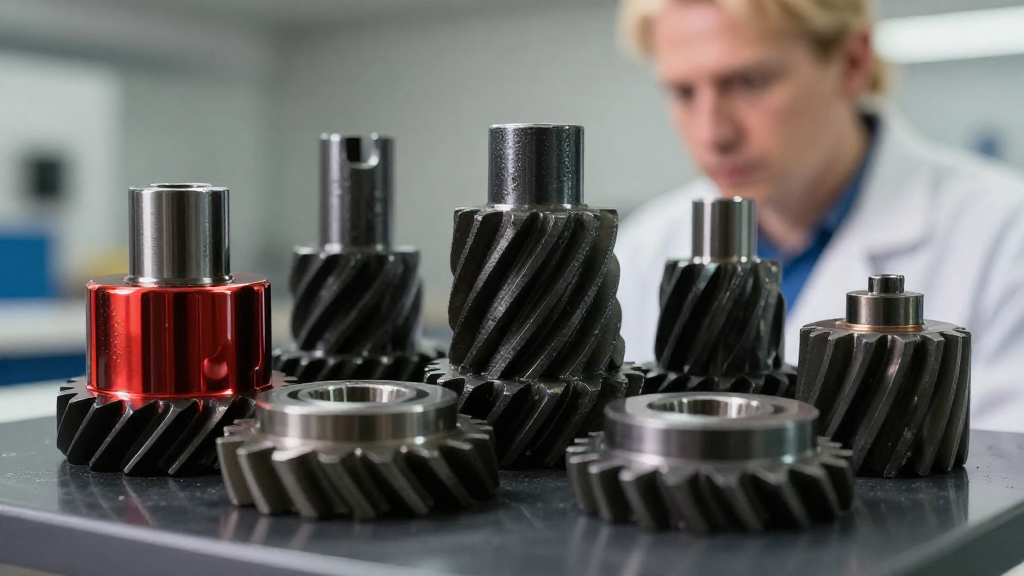
When it comes to gear manufacturing, understanding various gear coating types is essential for enhancing performance and longevity.
What are Gear Coating Types?
Gear coating types refer to various surface treatments applied to gears to improve their durability, resistance to wear, and resistance to corrosion.
These coatings enhance the performance of gears under different operational conditions.
For manufacturers and engineers, knowing the gear coating types available is critical in making well-informed decisions for specific applications.
Why Are Gear Coatings Important?
- Extended Lifespan: Coated gears tend to last longer due to improved resistance to wear.
- Improved Performance: Coatings can reduce friction, resulting in smoother and quieter operation.
- Corrosion Protection: Chemical resistance ensures that gears function optimally in adverse environments.
- Cost-Effectiveness: Longer-lasting gears equate to reduced replacement and maintenance costs.
What Are the Most Common Gear Coating Types?
Here are some widely used gear coating types that cater to various industrial needs:
1. Black Oxide Coating
- Process: A controlled oxidation process creates a protective black finish.
- Benefits:
- Reduces friction.
- Provides mild corrosion resistance.
- Applications: Used primarily in automotive and industrial machinery.
2. Zinc Coating
- Process: A layer of zinc is applied, acting as a barrier against corrosion.
- Benefits:
- Electrolytic protection for underlying metals.
- Cost-effective solution for corrosion resistance.
- Applications: Commonly found in outdoor and marine equipment.
3. Nickel Coating
- Process: Nickel is deposited through electroplating or electroless plating.
- Benefits:
- Excellent wear resistance.
- Corrosion protection.
- Applications: Ideal for gears in harsh environments, such as aerospace and automotive sectors.
4. PTFE (Polytetrafluoroethylene) Coating
- Process: A non-stick fluoropolymer coating is applied for extreme lubrication.
- Benefits:
- Very low friction coefficient.
- Excellent chemical resistance.
- Applications: Used in applications needing minimal friction, like food processing equipment.
5. Ceramic Coating
- Process: A high-performance coating made with ceramic materials.
- Benefits:
- Exceptional hardness and abrasion resistance.
- High-temperature tolerance.
- Applications: Suitable for gears subjected to extreme environments, such as heat engines.
6. Teflon Coating
- Process: A non-stick coating that can be sprayed onto gear surfaces.
- Benefits:
- Reduces friction significantly.
- Enhances wear resistance.
- Applications: Generally used in environments where cleanliness is critical, like pharmaceutical manufacturing.
7. Anodizing
- Process: An electrochemical process that forms a protective oxide layer on aluminum parts.
- Benefits:
- Increases durability.
- Enhances corrosion resistance.
- Applications: Used in lightweight gears made from aluminum alloys.
How Do You Choose the Right Gear Coating Type?
Choosing the right gear coating type depends on several factors:
- Environment: Consider where the gears will operate. Harsh environments may require coatings with superior corrosion resistance.
- Operating Conditions: High-speed applications might benefit from low-friction coatings.
- Cost: Budget constraints will influence the choice, balancing performance with expense.
- Material Compatibility: Make sure the coating is compatible with the underlying gear material.
Are There Specialty Gear Coating Types?
Yes, several specialty gear coating types cater to specific industrial needs:
1. Diamond-Like Carbon (DLC) Coatings
- Benefits: Extreme hardness and low friction.
- Applications: Used in high-performance gears where wear is a concern.
2. Soft Coatings
- Benefits: Provide excellent damping properties but have lower wear resistance.
- Applications: Often found in low-speed applications where noise reduction is critical.
3. Flame Spraying Coatings
- Benefits: Can be customized for specific applications by blending different materials.
- Applications: Ideal for restoring worn gear surfaces.
What Are the Latest Innovations in Gear Coating Types?
Innovative technologies are continuously developing gear coating types. Some noteworthy advancements include:
1. Nanotechnology Coatings
- Ultra-thin coatings that can enhance surface characteristics without significantly altering dimensions.
2. Functional Coatings
- Coatings that perform dual functions, such as low friction and high wear resistance.
3. Biodegradable Coatings
- Eco-friendly options developed for industries seeking sustainable solutions.
Conclusion: The Future of Gear Coating Types
Understanding the range of gear coating types available enables manufacturers to select coatings that best meet their operational needs.
It is critical to remain informed about new advancements in coating technologies that promise to enhance gear performance further.
Whether you are in aerospace, automotive, or heavy machinery, choosing the right coating can significantly impact your gear’s efficiency and lifespan.
By focusing on the appropriate coatings, companies can save on maintenance costs, ensure performance, and remain competitive in their respective markets.