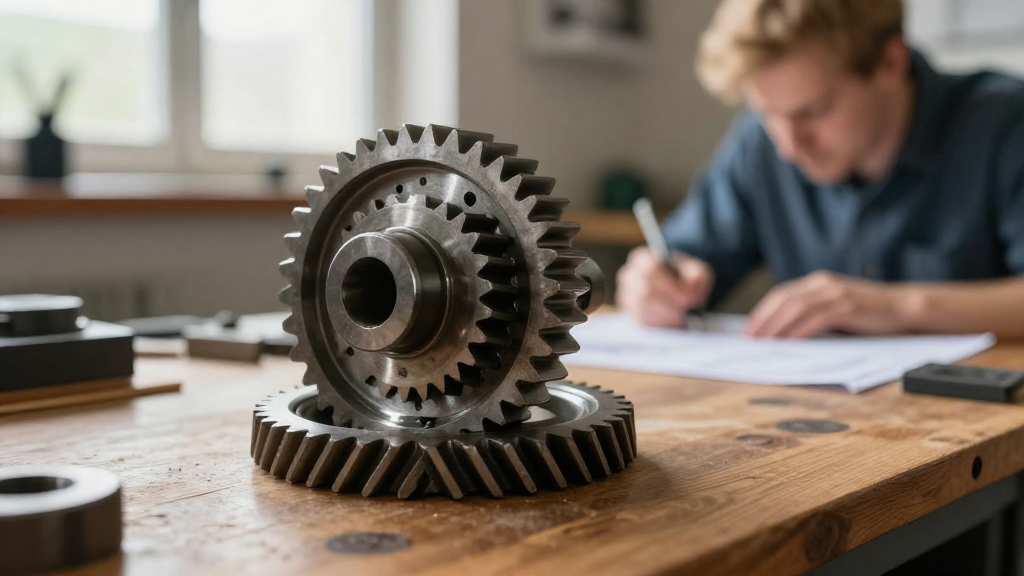
When embarking on gear design projects, understanding gear design mistakes that engineers frequently make can streamline the process and improve performance.
What Are the Most Common Gear Design Mistakes?
Designing gears might seem straightforward, but it can quickly become complicated without proper knowledge. Below, we’ll delve into some of the most prevalent gear design mistakes, ensuring that you avoid these pitfalls in your next project.
1. Are You Overlooking Load and Operating Conditions?
One of the biggest gear design mistakes involves not considering load and operating conditions.
- Load Calculation: It’s essential to calculate the load on the gears accurately. Failing to do this can lead to gear failure.
- Operating Environment: Gears may have to operate under adverse conditions, such as high temperatures or exposure to corrosive substances. Neglecting these factors can result in severe performance issues.
2. Did You Choose the Wrong Material?
Selecting the appropriate material is fundamental in gear design.
- Material Properties: Different materials have various strengths, wear resistance, and thermal properties.
- Common Mistakes: A common mistake is choosing a material that’s either too weak or too strong for the intended application, impacting efficiency and lifespan.
3. Have You Ignored Manufacturing Tolerances?
Precision is key in gear design, and ignoring manufacturing tolerances is a frequent misstep.
- Tolerance Levels: Each gear component should have appropriate tolerances to ensure they mesh correctly.
- Effects of Ignoring Tolerances: Poor tolerances can result in increased wear, noise, and even catastrophic failure during operation.
4. Are Your Gear Ratios Incorrect?
Gear ratios are crucial for determining the efficiency and function of the drive system.
- What Happens with Incorrect Ratios?: If the gear ratios are not adequately calculated, this can lead to reduced performance or even mechanical failure.
- Optimization: Always ensure ratios balance speed and torque effectively based on the system’s requirements.
5. Have You Failed to Account for Backlash?
Backlash, or the slight movement between meshing gears, is often overlooked.
- Causes of Backlash: Backlash can stem from manufacturing defects, wear, or poor alignment.
- Impact: Not accounting for backlash can lead to inaccuracies in motion or even failure.
6. Is Your Gear Design Too Complex?
Simplicity often leads to enhanced functionality and easier manufacturing.
- Over-Engineering: Complex designs may seem appealing but can introduce unnecessary complications.
- Best Practices: Aim for simplicity—this often results in more reliable and cost-effective solutions.
7. Have You Considered Lubrication?
Proper lubrication plays a critical role in gear design and function.
- Why Lubricate?: Adequate lubrication reduces friction, thus prolonging gear life.
- Common Mistakes: Neglecting lubrication needs or using the wrong type can lead to overheating and increased wear.
8. Did You Forget About Assembly and Maintenance Accessibility?
Ease of maintenance and assembly can often be an afterthought during the design phase.
- Access Issues: Designing gears that are difficult to access for maintenance can quickly become problematic.
- Long-Term Considerations: Always consider how your design will impact assembly and servicing in the long run.
9. Have You Ignored Thermal Expansion?
Thermal expansion affects materials, especially in high-temperature environments.
- Impact on Gear Performance: Failing to account for thermal expansion can lead to increased friction and wear.
- Design Adjustments: Consider allowing tolerances in your gear design for expansion, especially in environments where temperatures fluctuate significantly.
10. Are You Neglecting Gear Noise?
Noise can be a vital indicator of mechanical issues in gear systems.
- Understanding Gear Noise: Excessive noise during operation often implies design flaws or misalignments.
- Strategies to Minimize Noise: Making sure gears are correctly aligned and choosing optimal design features can help in reducing unwanted noise.
Key Takeaways: How to Avoid Gear Design Mistakes
To conclude, steering clear of gear design mistakes can save time, resources, and effort in any engineering project. Here are some helpful tips to ensure you approach gear design correctly:
- Thorough Research: Understand the requirements of your project fully.
- Consult Experts: If in doubt, collaborate with material and mechanical engineers.
- Prototype Testing: Always prototype and test to uncover any issues early in the process.
- Continuous Learning: Keep learning about new materials, technologies, and methods in gear design.
By being aware of the common gear design mistakes and implementing precautionary measures, you’ll improve the design process, resulting in more successful engineering outcomes.
With careful planning, continuous monitoring for wear or failure, and a commitment to quality, you can create gears that stand the test of time and perform reliably under various conditions. Always strive for excellence in gear design to avoid these pitfalls and to innovate within your projects effectively.