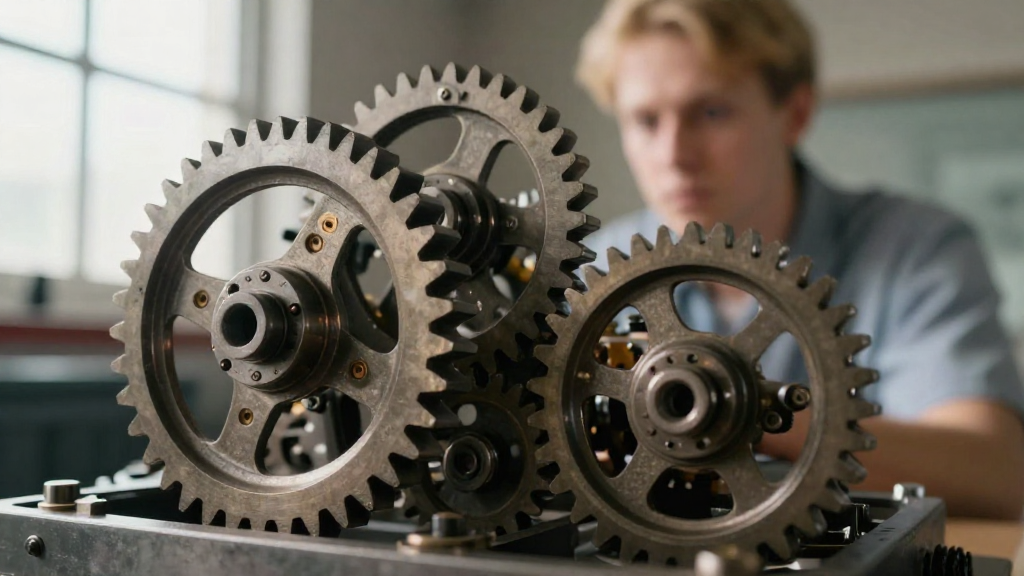
Understanding gear efficiency factors is crucial for optimizing mechanical systems.
Efficient gear systems can significantly reduce energy losses and improve overall performance.
In this article, we will explore the various factors that impact gear efficiency, helping you make informed decisions in design and operation.
What Are Gear Efficiency Factors?
Gear efficiency factors refer to the various elements that influence how well a gear system transmits power without losses.
Several mechanical and design characteristics determine the efficacy of gears.
Understanding these factors allows engineers and technicians to enhance performance and reduce operational costs.
How Does Gear Design Impact Efficiency?
The design of gears plays a critical role in determining gear efficiency.
Several design-related factors can lead to energy losses, including:
-
Tooth Profile:
The geometry of the gear teeth affects contact and sliding friction.
Proper tooth design minimizes wear, enhancing efficiency. -
Backlash:
Excessive backlash can cause energy loss through inefficient meshing.
Carefully managing backlash can improve transmission consistency. -
Material Selection:
Choosing the right materials can impact durability and friction.
High-quality materials reduce wear, improving the gear’s lifespan and efficiency. -
Size and Scaling:
The size of the gear and its scaling for applications can also affect efficiency.
Larger gears may have a better surface area for contact, leading to improved transfer of energy.
What Role Do Lubrication and Maintenance Play?
Lubrication and maintenance are two essential gear efficiency factors that cannot be overlooked.
Proper lubrication minimizes friction between gear teeth, which can lead to:
- Reduced wear and tear.
- Lower heat generation, thereby preserving materials.
- Improved overall efficiency by decreasing energy losses.
Regular maintenance checks allow for the identification of potential issues before they result in significant energy losses.
This includes checking for the following:
-
Wear on Gear Teeth:
Inspecting for signs of degradation helps maintain efficient operation. -
Proper Lubricant Levels:
Ensuring the system is well-lubricated decreases friction. -
Alignment Issues:
Misalignment can cause uneven loads on gears, leading to friction and wear.
How Do Operating Conditions Affect Gear Efficiency?
The environment and conditions under which gears operate can have a drastic impact on gear efficiency factors.
Key operating conditions include:
-
Speed:
Gear efficiency often decreases at higher speeds due to elevated frictional forces.
Understanding optimal speed ranges can minimize losses. -
Load:
The amount of load placed on the gears can influence efficiency.
Overloading can lead to increased wear and decreased effectiveness. -
Temperature:
High operating temperatures can decrease lubricant effectiveness and increase wear rates.
Keeping gear systems within optimal temperature ranges is essential for maintaining efficiency.
What Is the Impact of Gear Configuration?
Gear configuration also plays a vital part in gear efficiency factors.
Different configurations yield different levels of efficiency. Here are some common setups:
-
Gear Train System:
The arrangement of gears impacts torque and speed relationships, affecting overall efficiency.
A properly designed gear train yields less energy loss. -
Compound Gears:
Utilizing compound gears can reduce space without sacrificing performance.
However, if designed incorrectly, they can introduce inefficiencies. -
Planetary Gears:
This configuration tends to distribute loads more evenly, enhancing efficiency.
Each gear works together in harmony, often resulting in higher efficiencies.
What Technologies Can Enhance Gear Efficiency?
Advancements in technology can significantly improve efficiency through innovative solutions.
Here are some technologies to consider:
-
Computer-Aided Design (CAD):
Using CAD software allows for precise gear design, optimizing profiles for improved contact and efficiency. -
Finite Element Analysis (FEA):
FEA technology can simulate how gears will perform under different stress conditions.
This enables the identification and mitigation of rigorous stress points that could lead to energy loss. -
Advanced Materials:
Innovations in materials science lead to the creation of lighter yet stronger materials, decreasing friction and enhancing efficiency.
How Can Gear Configuration and Arrangement Influence Performance?
The way gears are configured and arranged can profoundly affect their efficiency.
For optimal performance, consider these configurations:
-
Parallel Shaft Gears:
Used for transmitting power efficiently between parallel shafts.
They provide good torque transfer but require precise alignment. -
Angular Maneuvering Gears:
Allow changes in the axis and are often used in complex machinery.
While versatile, they may have more inherent losses. -
Helical Gears:
Provide smoother engagement and higher load capacities.
However, they tend to generate axial loads, requiring additional support.
Why Is Understanding Gear Efficiency Factors Important?
Grasping gear efficiency factors is not just beneficial for engineers; it affects various industries, including:
-
Manufacturing:
Improved gear efficiency reduces energy costs, enhancing productivity. -
Automobile Engineering:
Cars with efficient gear systems output better mileage and performance. -
Aerospace:
Aviation relies on precise gear mechanisms for safety and efficiency.
Optimizing these systems can lead to fuel savings and lower operational costs.
Conclusion
In conclusion, understanding gear efficiency factors is essential for anyone involved in mechanical design and operation.
From gear design and materials to lubrication, maintenance, and technology, several elements play critical roles in gear efficiency.
Considering all these factors can lead to enhanced performance and reduced energy losses.
By delving deep into these variables, industries can improve their efficiency and sustainability significantly.
Adopting best practices, technology, and high-quality maintenance is the key to achieving optimal gear performance.
Whatever your field, remember that attention to gear efficiency factors can lead to successful outcomes and operational excellence.