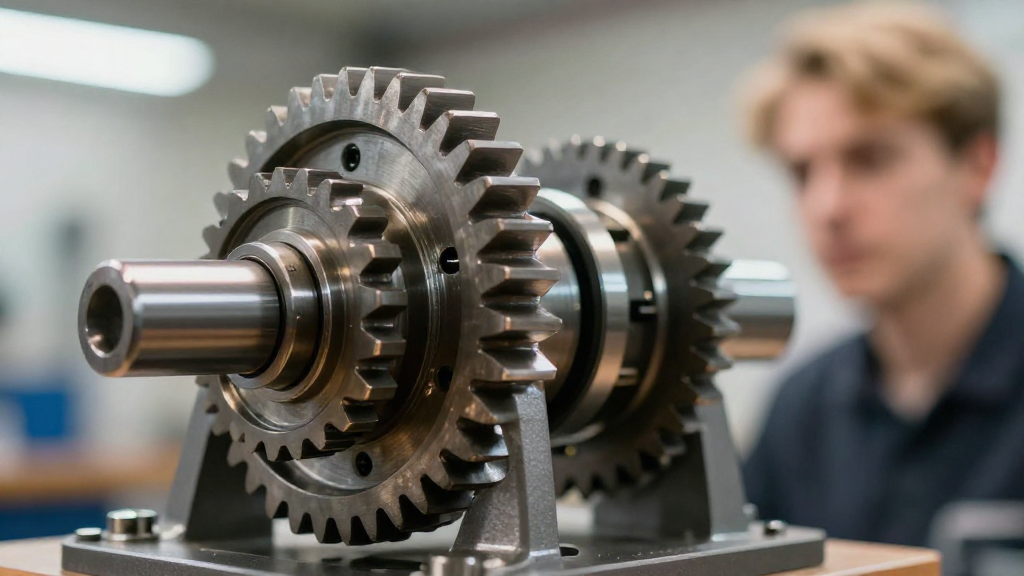
In this article, the gear hub explained will provide a comprehensive understanding of its function, benefits, and types.
What is a Gear Hub?
A gear hub is an essential component in various machinery, especially bicycles and electric vehicles.
It functions as a central part of the drivetrain system, where the mechanical energy is transferred from one component to another.
Gear hubs are designed to allow smooth shifting and provide multiple gear ratios, enabling optimal performance and efficiency.
How Does a Gear Hub Work?
Understanding how a gear hub operates is crucial for anyone interested in machinery, bicycles, or automotive technology.
-
Mechanical Structure:
– A gear hub typically contains a series of gears encased in a housing.
– The internal gears are connected to the wheel axle, allowing for torque transfer. -
Engagement of Gears:
– When the rider or driver shifts gears, certain gears inside the hub engage.
– This engagement alters the gear ratio, providing the right balance between speed and torque. -
Torque Transfer:
– Torque is transmitted from the pedals (or motor) through the gear hub to the rear wheel.
– This mechanism is crucial for efficient power transfer and performance. -
Sealed Lubrication:
– Unlike traditional derailleur systems, gear hubs often feature a sealed unit that requires minimal maintenance.
– This design protects gears from dirt and debris, ensuring longevity.
What Are the Types of Gear Hubs?
The gear hub explained also involves knowing the various types available in the market.
-
Internal Gear Hubs:
– Characteristics: These have gears housed inside the hub, allowing for greater protection.
– Benefits: They are more durable and maintain performance in changing weather conditions. -
External Gear Hubs:
– Characteristics: These gears are mounted outside the hub, making them easily accessible.
– Benefits: Easier to change and adjust, but they expose gears to the elements. -
Automatic Gear Hubs:
– Characteristics: These hubs shift automatically based on speed and cadence.
– Benefits: They enhance user experience by eliminating the need for manual shifting. -
Single-Speed Hubs:
– Characteristics: Fixed gear setups with no shifting capability.
– Benefits: Simplicity, low maintenance, and lightweight.
What Are the Advantages of Using a Gear Hub?
Utilizing a gear hub can provide several benefits, especially when compared to traditional derailleur systems.
- Smooth Shifting: Gear hubs allow for seamless transitions between gears, improving ride comfort.
- Low Maintenance: Most gear hubs require less maintenance due to their sealed system, reducing upkeep costs.
- Weather Resistance: The enclosed design protects internal components from harsh weather and dirt.
- Durability: Gear hubs tend to have a longer lifespan compared to other shifting systems.
- Efficient Power Transfer: With direct gear engagement, power transfer is optimized, enhancing performance.
Where Are Gear Hubs Commonly Found?
The versatility of gear hubs means they are found in various applications.
-
Bicycles:
– City Bikes: Ideal for urban commuting, providing reliable performance in traffic.
– Touring Bikes: Suitable for long-distance rides, allowing riders to tackle different terrains smoothly. -
Electric Vehicles:
– Electric Bicycles: Many e-bikes utilize gear hubs for efficient power management.
– Scooters: Gear hubs help maintain constant speed and performance. -
Mopeds and Motorcycles:
– Features: Gear hubs in scooters or light motorcycles provide easy acceleration and torque management.
How to Maintain a Gear Hub?
Maintenance for a gear hub is relatively straightforward, making it user-friendly.
Here are some tips to ensure longevity and optimal performance:
-
Regular Inspection:
– Check for unusual noises or resistance.
– Ensure that the hub is properly lubricated. -
Lubrication:
– Depending on the design, you may not need frequent lubrication, but it’s crucial to follow the manufacturer’s guidelines. -
Weather Protection:
– If you ride in harsh climates, consider storing your bicycle indoors to prevent unnecessary wear. -
Professional Servicing:
– If you are unsure about the maintenance, seek professional assistance.
– Regular professional check-ups can prevent major failures down the line.
Gear Hub vs. Derailleur: Which Is Better?
When considering the gear hub explained, a common comparison arises between gear hubs and derailleur systems.
Advantages of Gear Hubs:
– Sealed Protection: Less susceptible to damage from dirt and debris.
– Low Maintenance: Requires less regular servicing compared to derailleurs.
– Consistent Shifting: Offers improved shifting reliability, especially under load.
Advantages of Derailleur Systems:
– Weight: Typically lighter than gear hubs, which can benefit racing conditions.
– Customization: Allows for a broader range of gear ratios tailored to specific riding styles.
– Performance: In high-performance racing, derailleurs often provide superior ratios and shifting speed.
Conclusion: Why Should You Consider a Gear Hub?
A gear hub explained not only highlights its functionality but also emphasizes the many advantages it brings to various applications.
From urban bicycles to electric vehicles, gear hubs play a vital role in optimizing performance and enhancing user experience.
When choosing between a gear hub and a derailleur system, consider your specific needs, riding conditions, and maintenance preferences.
Ultimately, understanding the workings and benefits of a gear hub can lead you to make an informed decision that enhances your riding experience.
In conclusion, whether you’re a casual rider, an urban commuter, or an electric vehicle enthusiast, understanding the role of a gear hub is essential.
With its robust design, low maintenance requirements, and overall efficiency, it’s a technology worth considering for your next ride!