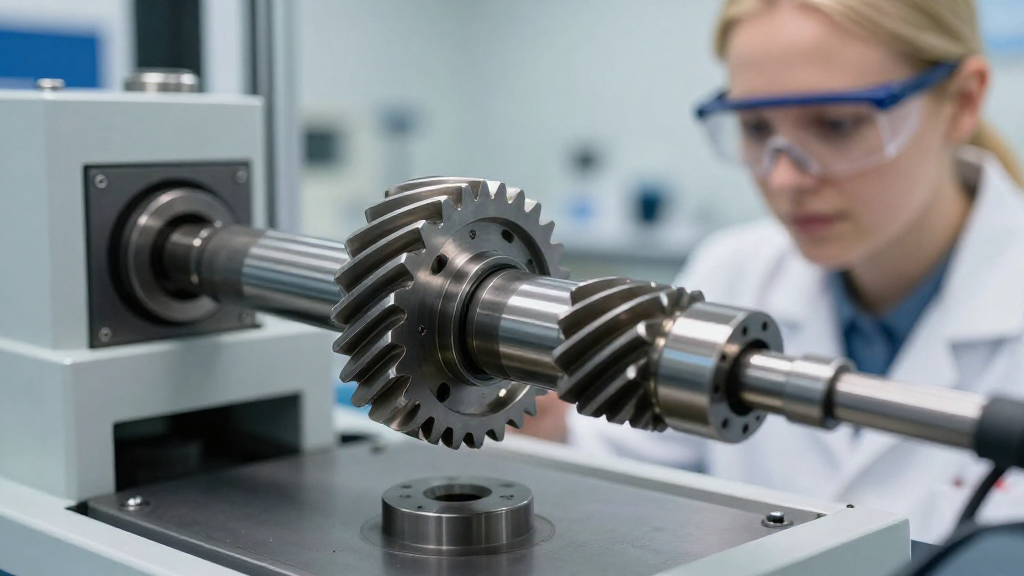
The gear rolling test procedure is essential for evaluating gear performance and durability under various operational conditions.
What is a Gear Rolling Test?
A gear rolling test is a method used to assess the quality and performance of gears in mechanical systems.
This non-destructive testing technique simulates real-world conditions that gears would experience during operation.
With the right gear rolling test procedure, you can identify defects such as misalignment, wear, and other potential failures that may impact gear longevity.
Why is a Gear Rolling Test Important?
- Performance Evaluation
The gear rolling test helps to evaluate how well gears perform under load.
- Failure Prevention
By identifying issues early, the gear rolling test can prevent catastrophic failures.
- Quality Assurance
Ensures that the gears meet the design and safety standards required for operation.
- Cost-Effectiveness
Regular testing can save costs incurred from gear replacements and downtime.
How to Prepare for a Gear Rolling Test?
Before diving into the gear rolling test procedure, proper preparation is key.
Here are some steps to consider:
-
Identify the Testing Setup: Determine the test rig and the gears to be tested.
-
Gather Required Equipment: Ensure you have the following:
-
Rolling test rig
- Torque measuring devices
- Data acquisition system
-
Safety gear (e.g., goggles, gloves)
-
Ensure Adequate Calibration: Calibrate the equipment to ensure accuracy in data collection.
-
Review Gear Specifications: Check and confirm the gear specifications, including dimensions, material type, and expected load.
What Steps Are Involved in the Gear Rolling Test Procedure?
To effectively carry out the gear rolling test procedure, follow these systematic steps:
1. Set Up the Test Rig
Position the test rig in a stable location with sufficient space to conduct the test.
2. Install the Gears
Carefully install the gears onto the test rig, ensuring they are aligned according to the manufacturer’s specifications.
3. Connect Measurement Devices
Attach torque measuring devices and any sensors needed for data collection.
4. Perform Pre-Test Checks
Conduct a series of checks to ensure everything is functioning correctly:
- Inspect equipment for any signs of wear or damage.
- Verify the calibration of measurement devices.
- Confirm the alignment of the gears is correct.
5. Conduct the Test
Now it’s time to perform the gear rolling test procedure:
-
Start the Test Rig: Gradually initiate the rolling process.
-
Apply Load: Increase the load gradually according to specifications.
-
Monitor Performance: Continuously monitor the following parameters:
-
Torque
- Speed
-
Temperature
-
Document Findings: Use a data acquisition system to log performance results throughout the test.
6. Analyze the Results
Post-test analysis is critical:
- Review documented data to identify any abnormal patterns.
- Look for signs of noise, wear, or misalignment.
- Utilize software tools to visualize and interpret the data for deeper insights.
What Should You Look for During a Gear Rolling Test?
Several key indicators to monitor during the gear rolling test procedure can help assess gear health:
-
Noise Levels: Unusual noises can indicate misalignment or bearing problems.
-
Temperature Variations: Elevated temperatures may suggest friction issues or inadequate lubrication.
-
Vibration Analysis: Significant vibrations can point toward imbalanced gears or impending failure.
How Do You Interpret the Gear Rolling Test Data?
Interpreting the data collected during the gear rolling test procedure involves:
-
Comparing Results with Standards: Compare your results with standard metrics or benchmarks.
-
Identifying Anomalies: Highlight any findings that deviate from expected results.
-
Consulting Experts: If any issues arise, collaborate with engineers or technical experts to determine potential solutions.
What to Do After Completing the Gear Rolling Test?
After completing the gear rolling test procedure, it’s crucial to take further steps:
-
Review the Testing Process: Document any issues that arose, including equipment performance or testing challenges.
-
Share Findings with the Team: Provide a comprehensive report to relevant stakeholders within your organization.
-
Implement Necessary Changes: If any deficiencies are noted, take corrective action to adjust gear designs, improve manufacturing processes, or update maintenance schedules.
Concluding Thoughts: Why Regular Gear Rolling Tests Matter
In conclusion, implementing a gear rolling test procedure is vital for smooth operational performance in various machinery applications.
Regularly performing these tests ensures early detection of issues, thereby safeguarding the machinery and minimizing costs associated with failures.
Investing time and resources into this testing method guarantees reliability, efficiency, and enhanced longevity of gear components across various industrial applications.
Whether you’re in manufacturing, automotive, or aerospace sectors, effectively executing a gear rolling test procedure can lead to significant operational benefits.
This not only improves productivity but also reinforces quality control standards crucial for sustaining competitive advantage in the marketplace.
By understanding the importance and intricacies of the gear rolling test procedure, you equip your team to uphold exceptional gear performance and longevity into the future.