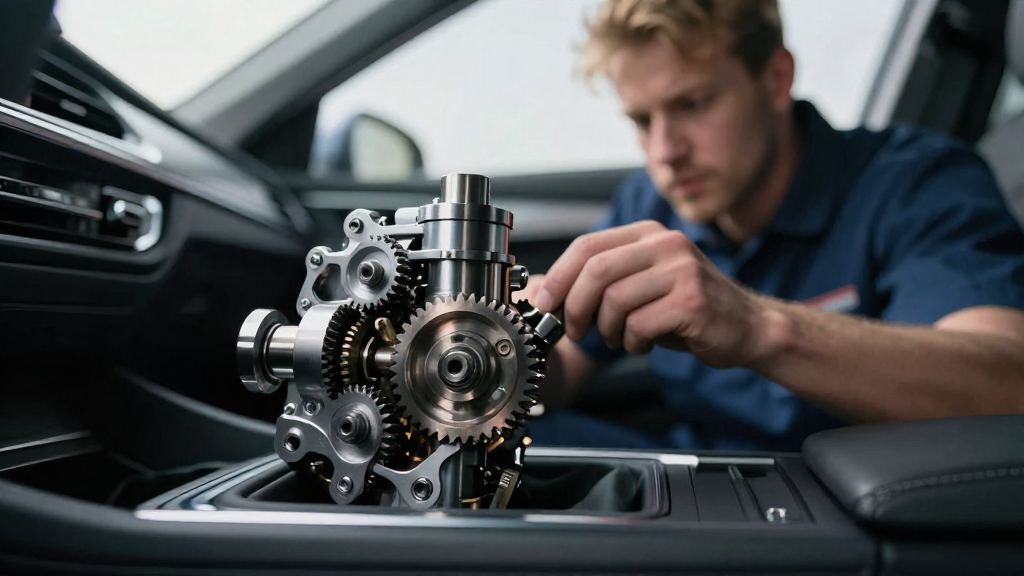
Understanding gear shift mechanics is essential for anyone interested in how vehicles operate.
From everyday drivers to car enthusiasts, everyone benefits from knowing the basics of gear shifting.
What Are Gear Shift Mechanics?
Gear shift mechanics refer to the systems that enable the driver to change gears in a manual or automatic transmission vehicle.
These mechanisms play a crucial role in the overall driving experience, affecting speed, fuel efficiency, and engine performance.
How Do Automatic and Manual Transmissions Differ?
1. Manual Transmission Mechanics:
In a manual transmission, gear shift mechanics involve:
- Driver Engagement: The driver manually shifts gears using the gear stick.
- Clutch Operation: The driver depresses the clutch pedal to disengage the engine from the wheels during a gear shift.
- Gear Selection: The driver selects the appropriate gear for their speed and power needs.
2. Automatic Transmission Mechanics:
In an automatic transmission, gear shift mechanics are different because:
- Transmission Control Unit (TCU): This electronic device determines when to shift gears based on speed and engine load.
- Hydraulic System: This system executes gear shifts without driver intervention. It uses fluid pressure to change gears.
- No Clutch Pedal: Automatic cars have no clutch pedal since the system handles shifting and clutch engagement automatically.
What Are the Key Components of Gear Shift Mechanics?
The components involved in gear shift mechanics can vary based on the type of transmission but commonly include:
- Gearstick or Shifter: The lever used by the driver to select gears.
- Clutch Pedal (manual): Facilitates gear shifting without risking damage.
- Gear Selector (automatic): An electronic or mechanical device that controls the gearbox.
- Transmission Gears: The actual gears that transmit power from the engine to the wheels.
- Linkages or Cables: Connect the shifter to the transmission, translating driver inputs into gear changes.
- Torque Converter (automatic): Transfers engine power to the transmission fluid for gear shifts.
How Do Gear Shift Mechanics Impact Driving Performance?
Gear shift mechanics have several key impacts on driving performance:
- Acceleration: Proper shifting can optimize acceleration and responsiveness.
- Fuel Efficiency: Efficient gear changes can help maintain a vehicle’s fuel economy.
- Engine Health: Incorrect shifts can stress the engine and transmission, leading to premature wear.
What Factors Influence Gear Shifting?
Understanding how various factors impact gear shift mechanics can improve driving technique:
- Engine RPM: Shifting gears at the correct RPM can optimize performance and reduce wear.
- Vehicle Speed: The speed of the vehicle influences the appropriate gear choice.
- Driving Conditions: Weather and road conditions can affect how and when to shift.
- Driver Technique: Skill level and familiarity with the vehicle play crucial roles in effective gear shifting.
Why Do Some Gears Grind or Slip?
1. Causes of Gear Grinding:
There are common reasons for gear grinding, including:
- Worn Synchros: In manual transmissions, worn synchro rings can hinder smooth gear shifts.
- Clutch Issues: A faulty or wrongly adjusted clutch can prevent the gear from fully engaging.
- Incorrect Gear Selection: Trying to shift without matching the gear speed can lead to grinding.
2. Causes of Gear Slippage:
Gear slippage often occurs due to:
- Worn Gears: Over time, wear can make gears move out of place.
- Fluid Issues: Low or contaminated transmission fluid can hinder gear engagement.
- Faulty Sensors: In automatic transmissions, sensor malfunctions can disrupt the gear shifting process.
How Can Drivers Improve Their Understanding of Gear Shift Mechanics?
To become more familiar with gear shift mechanics, drivers can explore the following resources:
- Owner’s Manual: Understanding your vehicle’s specific gear shift mechanics can provide essential insights.
- Online Tutorials: Numerous platforms offer video demonstrations of shifting techniques.
- Driving Courses: Enroll in courses that focus on manual transmission driving.
How Does Technology Influence Gear Shift Mechanics?
Technological advancements have significantly changed the landscape of gear shift mechanics:
- Dual-Clutch Systems: Offer faster shifting and improved performance by pre-selecting gears.
- Adaptive Transmissions: Use artificial intelligence to adjust shifting patterns based on driving habits.
- Seamless Shift Technology: Enhances driving comfort by ensuring gear transitions are as smooth as possible without loss of power.
What Maintenance Tips Can Enhance Gear Shift Mechanics?
Maintaining your transmission and understanding gear shift mechanics can extend your vehicle’s lifespan:
- Regular Fluid Changes: Changing transmission fluid at manufacturer-recommended intervals can help maintain performance.
- Inspect Clutch Components (manual): Look for signs of wear, such as slipping or burning smells.
- Check Linkages and Cables: Ensure they are well-maintained and lubricated to provide smooth gear shifting.
- Pay Attention to Warning Lights: Ignoring transmission-related indicators can lead to serious issues down the line.
Conclusion: Why Understanding Gear Shift Mechanics is Essential
In summary, a solid grasp of gear shift mechanics can greatly enhance your driving experience.
Whether you drive a manual or an automatic, knowledge of these systems can help you optimize performance, improve safety, and maintain your vehicle more effectively.
By taking the time to learn about the components, influences, and maintenance of gear shift systems, drivers can ensure a smoother ride and a more enjoyable driving experience.
Understanding how to properly engage and shift gears can make all the difference, unlocking the full potential of your vehicle on the road.