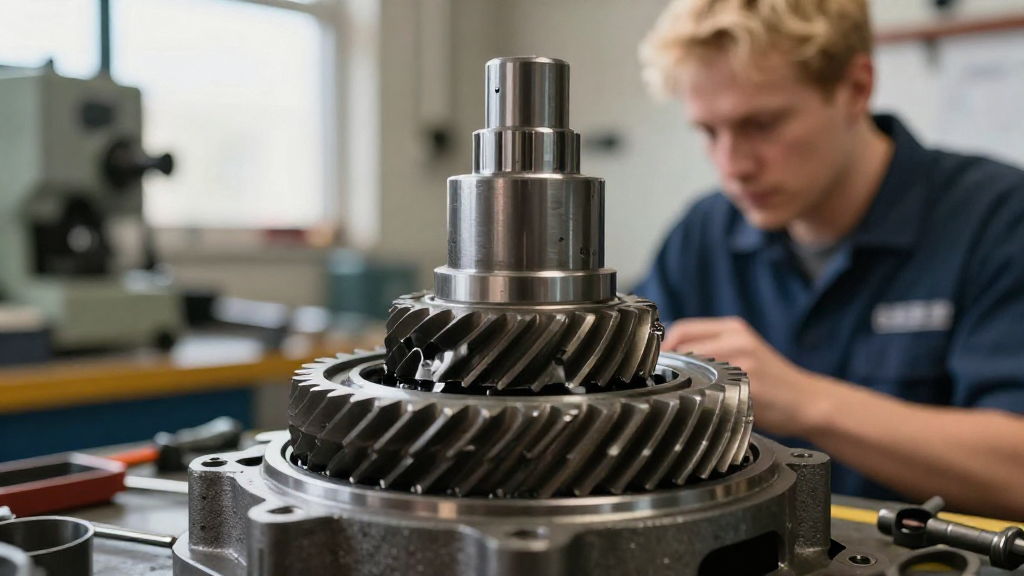
Understanding how a gear synchronizer works is essential for anyone interested in the mechanics of vehicles, particularly those with manual transmissions.
In this article, we will break down the concept of gear synchronizer explained in simple terms, eliminating the technical jargon and providing a clear picture of how these components function in easing the gear-shifting process.
What Is a Gear Synchronizer?
A gear synchronizer is a crucial component in manual transmissions that helps match the speed of the gear being engaged with the speed of the output shaft.
By aligning these speeds, a gear synchronizer ensures that the gears mesh smoothly without grinding.
Key Functions of a Gear Synchronizer:
- Speed Matching: Adjusts the rotational speed of gears to facilitate smooth engagement.
- Prevents Grinding: Eliminates the noise and damage associated with improperly meshed gears.
- Enhances Driving Comfort: Provides a seamless shifting experience for the driver.
How Does a Gear Synchronizer Work?
To grasp the concept of gear synchronizer explained, it’s vital to understand its operational process.
Here’s a simple breakdown:
-
Engagement: When the driver shifts gears, the gear lever moves a fork that pushes the synchronizer towards the gear that needs to be engaged.
-
Friction: The synchronizer uses a friction cone or a synchronizer ring that creates friction with the gear.
-
Speed Alignment: This friction helps to synchronize the speeds of both the gear being shifted into and the output shaft.
-
Smooth Engagement: Once the speeds are matched, the synchromesh mechanism allows the gear to engage smoothly.
Why Are Gear Synchronizers Important?
You might wonder why we place such importance on understanding this component.
Here are several reasons:
- Improved Longevity of Transmission: By preventing grinding and wear on gears, synchronizers help prolong the life of the manual transmission.
- Enhanced Driver Experience: Smooth gear shifts lead to better control and handling of the vehicle.
- Cost-Effective Maintenance: Maintaining a well-functioning synchronizer may prevent costly repairs associated with transmission issues.
What Are the Types of Gear Synchronizers?
When delving deeper into the gear synchronizer explained, you should be aware that there are various types available, including:
-
Cone Synchronizers:
– Commonly used in many traditional manual transmissions.
– Utilize a friction cone to align speeds. -
Baulk Ring Synchronizers:
– Feature a ring that prevents shifts into gears that are not properly synchronized.
– Helps to avoid damage by ensuring proper engagement only. -
Spring-Loaded Synchronizers:
– Utilize springs to help push the synchronizer into place once speeds align.
– Common in more modern or high-performance transmissions.
How Can You Tell If a Gear Synchronizer Is Failing?
Recognizing the signs of a failing gear synchronizer is essential for maintaining your vehicle.
Here are some symptoms to watch for:
- Grinding Noises: A telltale sign when shifting gears.
- Difficulty Shifting: Especially into specific gears, indicating mismatched speeds.
- Intermittent Engagement: Gears slip out of engagement unexpectedly.
How to Maintain Gear Synchronizers?
Maintaining your gear synchronizer can extend the life of your vehicle’s transmission.
Here are some maintenance tips:
- Regular Fluid Checks: Ensure that the transmission fluid is clean and at the appropriate level.
- Professional Inspections: Have your transmission checked regularly by a qualified technician.
- Avoiding Rough Shifts: Practice smooth gear changes to reduce wear on synchronizers.
What Happens During Gear Synchronizer Replacement?
When a gear synchronizer fails, replacement is often necessary.
The process generally involves:
-
Disassembly: The transmission is taken apart to access the synchronizer.
-
Replacement: The faulty synchronizer is removed and replaced with a new one.
-
Reassembly: The transmission is reassembled and checked for function before reinstalling.
-
Fluid Replacement: New transmission fluid is often added during this process.
Conclusion: Why Understanding Gear Synchronizers Matters
The concept of gear synchronizer explained doesn’t have to be daunting.
By understanding their critical role in the smooth operation of manual transmissions, car enthusiasts and everyday drivers alike can better appreciate the intricacies of their vehicles.
As with any car component, knowledge empowers you to maintain your vehicle effectively.
Additional Resources:
- Transmission Maintenance Guides: Look for resources that explain how to care for your car’s transmission.
- DIY Repair Guides: Engage with online communities and tutorials for hands-on maintenance tips.
Being informed about your car’s components can enhance your driving experience and save you money on repairs in the long run.