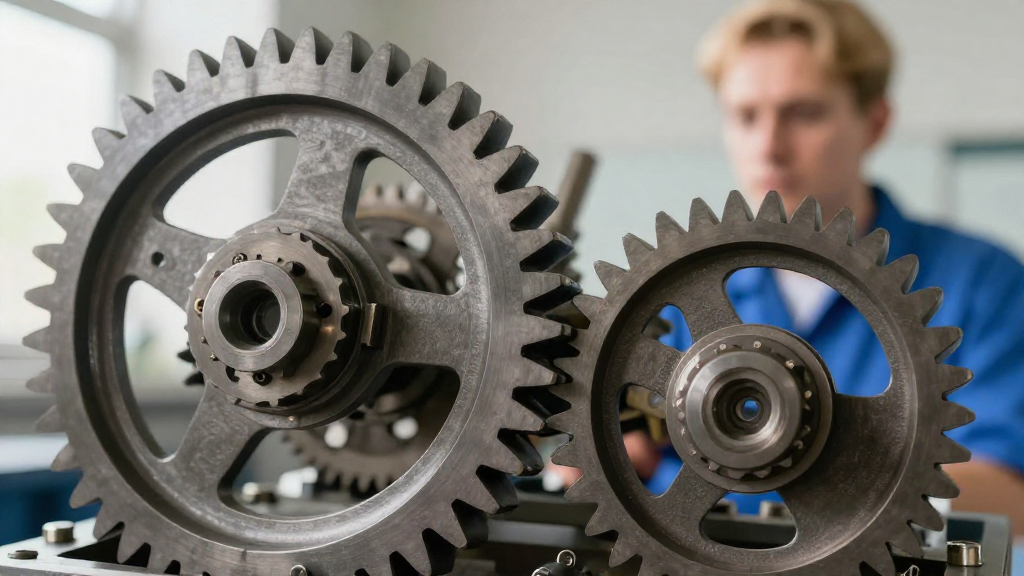
Gear torque multiplication is a fascinating principle in mechanical engineering that plays a crucial role in the design and functionality of gear systems.
Understanding this concept is essential for anyone interested in machinery, automotive engineering, or robotics.
What Is Gear Torque Multiplication?
Gear torque multiplication refers to the process by which a gear system increases or multiplies the torque output from a motor or another power source.
In simple terms, torque is the measure of rotational force.
When gears are involved, they can either increase the torque (gear reduction) or decrease the torque (gear overdrive) based on their size and the manner in which they are interconnected.
How Does Gear Torque Multiplication Work?
Gear torque multiplication operates using a few key principles:
-
Gear Ratios:
– The relationship between the sizes of the gears affects the multiplication of torque.
– For example, if a small gear (driven gear) is engaged with a larger gear (driving gear), the larger gear turns more slowly but exerts greater torque. -
Input and Output:
– The input torque is independent of the gear size; however, the output torque depends significantly on the gear ratio.
– The formula often used is:
[
\text{Output Torque} = \text{Input Torque} \times \text{Gear Ratio}
]
– If the input torque is 10 Nm, and the gear ratio is 2:1, then the output torque will be 20 Nm. -
Mechanical Advantage:
– In larger systems, the gears can provide a substantial mechanical advantage.
– This advantage is crucial when heavy loads need to be lifted or moved, such as in cranes, where gear torque multiplication is a key factor.
What Are the Benefits of Gear Torque Multiplication?
The benefits of gear torque multiplication are numerous and affect various industries:
- Enhanced Performance:
-
It allows machines to operate efficiently at lower speeds while providing high torque.
-
Increased Load Handling:
-
Machines can handle larger and heavier loads because of the increased torque.
-
Improved Control:
-
Provides better control when the machinery requires precision, such as in robotics or automated systems.
-
Energy Efficiency:
- More efficient energy usage can lead to lower operational costs.
What Are the Applications of Gear Torque Multiplication?
Gear torque multiplication is utilized across several fields:
- Automotive Systems:
-
Gear mounts in cars make it possible for engines to generate substantial torque for acceleration and hill climbing.
-
Industrial Machinery:
-
In manufacturing, geared systems enable conveyors and robots to carry heavy loads efficiently.
-
Aerospace Engineering:
-
In aircraft, gear torque multiplication contributes to controlling surfaces and overall maneuverability.
-
Robotics:
- Robots often utilize gears to achieve the necessary torque required for precise movements and handling of various materials.
How to Calculate Gear Torque Multiplication?
Calculating gear torque multiplication is crucial in designing any system involving gears:
-
Identify the Gear Teeth:
– Count the number of teeth or sizes of the gears involved. -
Determine the Gear Ratio:
– The gear ratio is determined by dividing the number of teeth on the output gear by the number of teeth on the input gear.
– For example, if Gear A has 10 teeth and Gear B has 40 teeth, the ratio would be:
[
\text{Gear Ratio} = \frac{\text{Teeth of Gear B}}{\text{Teeth of Gear A}} = \frac{40}{10} = 4:1
] -
Apply the Torque Formula:
– Use the formula mentioned earlier to calculate the output torque based on the input torque and the derived gear ratio. -
Adjust for Efficiency:
– Consider losses due to friction or inefficiencies within the system.
What Are Common Types of Gears for Torque Multiplication?
Several gear types can be utilized for gear torque multiplication:
- Spur Gears:
-
Simple, easy-to manufacture gears that provide high torque multiplication.
-
Helical Gears:
-
Offer smoother operation and can handle more load due to the angled teeth configuration.
-
Bevel Gears:
-
Useful for changing the direction of torque and can provide high torque multiplication.
-
Worm Gears:
- They yield a high torque multiplication but operate at lower speeds, making them great for applications like elevators or winches.
Conclusion: Why Understand Gear Torque Multiplication?
In summary, gear torque multiplication is a vital concept to master if you’re involved in engineering, robotics, or any field that relies on machinery.
The understanding of how torque can be manipulated through gear systems enhances design capabilities, improves efficiency, and maximizes performance in various applications.
By grasping the principles, calculations, and applications of gear torque multiplication, you can become a more informed professional or hobbyist, ultimately leading to improved results in your projects or work.
Whether you are designing a new piece of machinery, analyzing existing systems, or simply satisfying your curiosity, having a clear understanding of gear torque multiplication will undoubtedly broaden your mechanical expertise.
Keep exploring the intriguing world of gears, and see how the principles of torque multiplication can lead to innovation and efficiency in every corner of mechanical engineering!