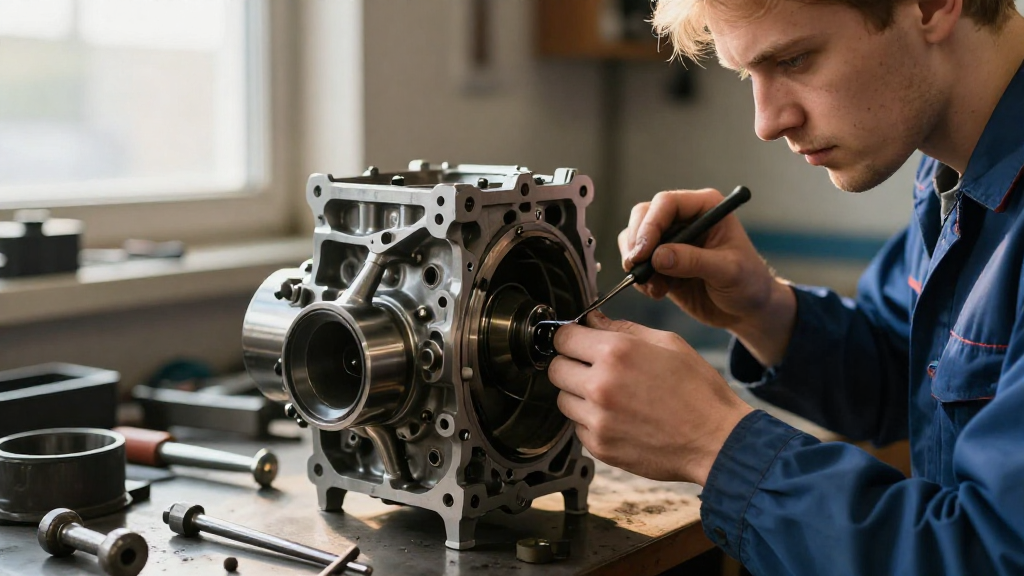
The gearbox service interval is critical for maintaining the performance and longevity of your vehicle’s transmission system.
Why Is the Gearbox Service Interval Important?
The gearbox in any vehicle plays a vital role in transferring power from the engine to the wheels.
Over time, various factors can affect the condition of the gearbox, including:
– Wear and tear on components
– Contamination of fluids
– Driving conditions
Not adhering to the recommended gearbox service interval can lead to serious issues, resulting in costly repairs or even total gearbox failure.
What Is a Typical Gearbox Service Interval?
The typical gearbox service interval can vary greatly depending on several factors, such as:
– Type of vehicle
– Driving conditions
– Manufacturer recommendations
Automatic vs. Manual Gearboxes
-
Automatic Gearboxes:
– Generally require more frequent servicing due to their complex mechanisms.
– Most manufacturers recommend a gearbox service interval of 30,000 to 60,000 miles (48,000 to 96,000 km).
– Some premium vehicles may even suggest intervals of 25,000 miles or less. -
Manual Gearboxes:
– Tend to have longer service intervals since they are less complex compared to automatics.
– Typical intervals can range from 50,000 to 100,000 miles (80,000 to 160,000 km).
– However, regular checks on the lubricant and other components are always advisable.
Are There Exceptions to the Gearbox Service Interval?
Yes, indeed! Certain conditions might necessitate more frequent maintenance.
Consider the following scenarios:
– Heavy towing or hauling: If you regularly subject your vehicle to heavy loads, consider reduced service intervals.
– Extreme driving conditions: Driving in harsh terrains, extreme temperatures, or stop-and-go traffic can accelerate wear.
– Aging vehicle: Older vehicles may require more frequent checks to ensure everything is functioning smoothly.
How Can You Know When It’s Time to Service Your Gearbox?
Apart from the gearbox service interval, several signs may indicate it’s time to have your gearbox checked:
- Strange Noises: Grinding, whining, or clunking noises can be early indicators of gearbox problems.
- Delayed Engagement: If your vehicle hesitates before shifting into gear, it’s time for a check-up.
- Fluid Leaks: Look for fluid under your vehicle, as low transmission fluid can severely damage the gearbox.
- Warning Lights: Dashboard warning lights specifically for transmission issues should never be ignored.
- Difficulty Shifting Gears: Overcoming resistance or stuck gears are clear signs that maintenance is needed.
If you’re experiencing one or more of these issues, you might want to consider having the gearbox serviced before adhering to the scheduled gearbox service interval.
What Are the Benefits of Adhering to the Gearbox Service Interval?
Regular servicing of the gearbox has numerous benefits including:
- Improved Performance: Ensuring lubricants are fresh helps maintain optimum performance.
- Enhanced Fuel Efficiency: A well-maintained gearbox allows the engine to run more efficiently, thereby improving fuel economy.
- Extended Lifespan: Regular checks can catch small issues before they turn into costly repairs or failures.
- Resale Value: Keeping your vehicle in excellent condition can improve its resale value significantly.
What Does Gearbox Service Typically Include?
During a service, mechanics will perform several crucial actions:
- Fluid Change: Old fluid is drained and replaced with new, high-quality transmission fluid.
- Filter Replacement: In automatic gearboxes, the filter may need replacement to ensure clean fluid circulation.
- Inspections: All components of the gearbox are inspected for wear or damage.
- Diagnostics: If any issue is suspected, diagnostic tools may be used to uncover problems.
Regular gearbox service can prevent small inconveniences from escalating into critical issues.
Can You Service Your Gearbox Yourself?
While some enthusiasts may enjoy performing their own maintenance, servicing a gearbox should typically be left to professionals due to its complexity.
However, if you choose to perform a service yourself, consider these tips:
- Research: Always refer to the vehicle manual for specific guidelines on the gearbox service interval and procedures.
- Use Quality Materials: Invest in high-quality transmission fluid and filter to ensure optimal performance.
- Stay Safe: Take appropriate safety precautions, such as working on a level surface and using jack stands.
Even if you’re comfortable with basic car maintenance, consulting with a professional mechanic is advisable for gearbox servicing.
Conclusion
Understanding the gearbox service interval is essential for every vehicle owner.
Regular servicing will not only prolong the life of your gearbox but also enhance your vehicle’s overall performance.
Make sure to keep track of mileage to adhere to your vehicle’s specific service interval.
Recognizing the signs of potential issues, scheduling timely services, and utilizing a qualified mechanic will help ensure that your drivetrain operates smoothly for many miles to come.
In summary, when it comes to your gearbox, prevention is far better than the cure!