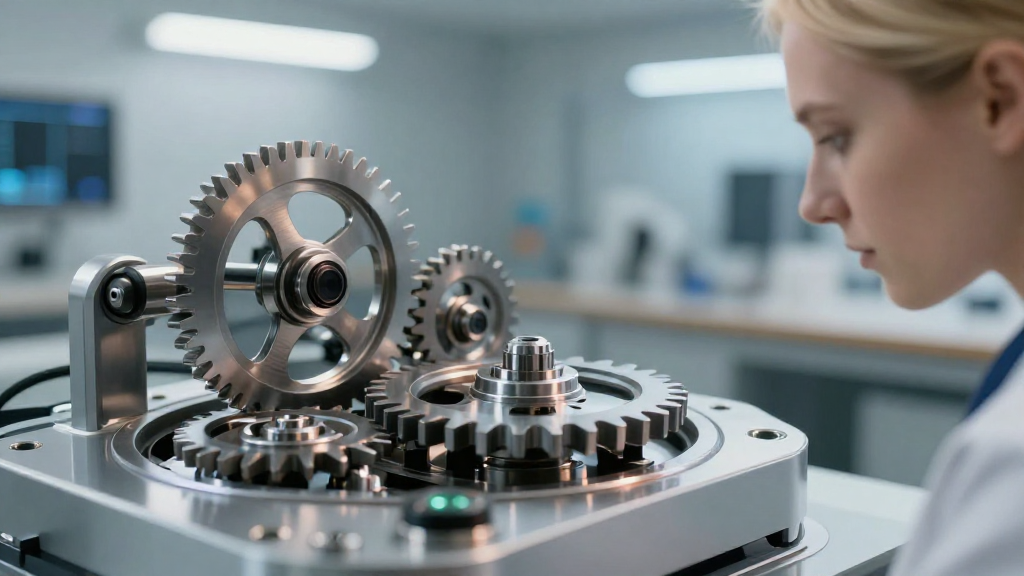
Smart gear systems are innovative mechanical frameworks enhancing the efficiency and precision of mechanical devices.
They integrate advanced technology with traditional gear mechanisms to optimize performance across various applications.
This article will explore the fundamentals of smart gear systems, their applications, benefits, and future trends in this exciting field.
What Makes Smart Gear Systems Smart?
Smart gear systems combine mechanical engineering with digital technology, enabling unprecedented control and adaptability.
These systems consist of smart sensors, actuators, and control algorithms that work together to enhance traditional gear functionality.
Key Components of Smart Gear Systems
-
Sensors
These devices measure parameters like speed, torque, and temperature, providing real-time data to optimize gear performance. -
Actuators
Actuators play a crucial role in modifying the gear system’s response based on sensor inputs, allowing for dynamic adjustments. -
Control Units
Embedded control units process data from the sensors and communicate commands to the actuators, ensuring smooth and efficient operation. -
Communication Interfaces
These systems often use wireless communication to relay information between devices, facilitating remote monitoring and adjustments.
Where Are Smart Gear Systems Used?
Smart gear systems find applications in numerous industries due to their flexibility and efficiency.
Top Industries Utilizing Smart Gear Systems
-
Automotive
In the automotive industry, smart gear systems improve transmission efficiency, enabling better fuel economy and enhanced vehicle performance. -
Aerospace
Aerospace applications utilize smart gears for precision in flight control mechanisms, offering superior reliability and accuracy. -
Manufacturing
In manufacturing, these systems optimize conveyor belts and robotics, enhancing productivity and reducing motor wear via efficient energy use. -
Renewable Energy
Wind turbines incorporate smart gear systems for optimal positioning and energy capture, significantly boosting overall efficiency.
What Are the Benefits of Smart Gear Systems?
The integration of smart gear systems yields numerous advantages in comparison to traditional mechanical gears.
Major Benefits Include
-
Increased Efficiency
By using real-time data, smart gear systems reduce energy consumption and enhance performance. -
Predictive Maintenance
Sensors detect wear and tear, allowing for timely maintenance and reducing unexpected downtimes. -
Customization
Smart gear systems can be programmed to adapt to various tasks, making them versatile across multiple applications. -
Enhanced Control
With advanced feedback mechanisms, users can maintain better control over mechanical operations.
Are Smart Gear Systems Easy to Implement?
Implementing smart gear systems can vary in complexity based on the existing technology and the application requirements.
Considerations for Implementation
-
Assessment of Current Infrastructure
Evaluating the existing gear systems is crucial. Identify which components require upgrades to accommodate smart technologies. -
Choosing Appropriate Technology
Select compatible sensors and actuators that meet the performance requirements of your specific application. -
Skillset Availability
Ensure that your team has the necessary expertise to integrate the smart gear systems effectively. -
Budgeting for Expenditure
While smart gear systems improve efficiency, they may require upfront investment. Budget accordingly to facilitate a smooth transition.
What Are the Future Trends in Smart Gear Systems?
The landscape of smart gear systems is ever-evolving, with advancements promising even greater efficiency and capabilities.
Emerging Trends to Watch For
-
AI Integration
Artificial intelligence is beginning to play a role in predictive maintenance and operational efficiency, allowing smarter decision-making in real time. -
Miniaturization of Components
As technology advances, the components of smart gear systems will become smaller yet more powerful, leading to more compact and efficient designs. -
Blockchain for Security
With increased digitalization, blockchain technology may be adopted to enhance the security of data transmitted between smart gear systems. -
Sustainability Focus
Future developments will likely prioritize sustainability, creating energy-efficient systems that minimize environmental impact.
Conclusion: Why Embrace Smart Gear Systems?
In a world driven by technology, smart gear systems present an opportunity for industries to optimize their operations significantly.
They offer a wealth of benefits, from increased efficiency to predictive maintenance capabilities.
By adapting to this innovative technology, businesses can stay ahead of the competition and enhance their productivity in a rapidly changing market.
As advancements continue, embracing smart gear systems is not just a choice but a necessity for future-ready companies.
Investing in smart gear technology today will prepare businesses for tomorrow’s challenges and opportunities.
The time to adopt these systems is now—making an indelible mark in your operational landscape.