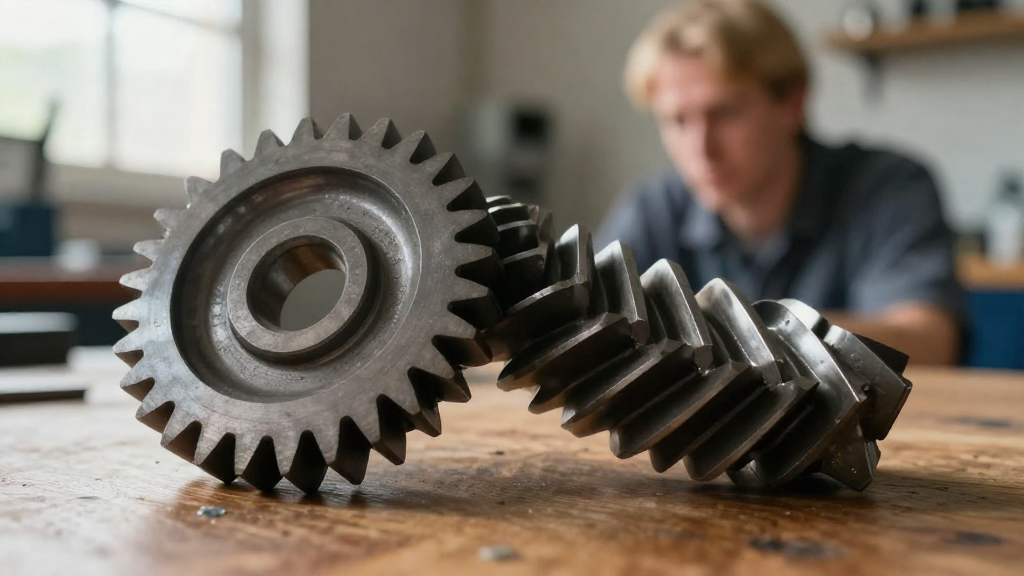
When it comes to selecting gears for mechanical systems, understanding the differences between spur gear and helical gear is crucial for optimal performance.
What Are Spur Gears?
Spur gears are the most common type of gear used in mechanical systems.
They consist of straight teeth that are aligned parallel to the axis of rotation.
Key Characteristics of Spur Gears
- Simple Design: Spur gears have a straightforward design, which makes them easy to manufacture.
- High Efficiency: They offer high efficiency with minimal power loss due to low sliding friction.
- Limited Load Capacity: Spur gears are best suited for moderate loads as they can experience significant wear over time.
- Noise Level: The engagement of teeth in spur gears generates more noise, especially at high speeds.
- Cost-Effective: Due to their simple structure, they tend to be more affordable compared to other gear types.
What Are Helical Gears?
Helical gears feature teeth that are cut at an angle to the axis of rotation, which offers unique advantages.
Key Characteristics of Helical Gears
- Smooth Operation: The angled teeth allow for gradual engagement, leading to quieter and smoother operation.
- Higher Load Capacity: Helical gears can handle greater loads compared to spur gears, making them ideal for heavy-duty applications.
- Complex Design: The manufacturing process of helical gears is more complex due to the gear tooth geometry.
- Increased Friction: Although they offer better torque transfer, helical gears have higher friction which can affect efficiency.
- Versatility: They can be used for both parallel and non-parallel shafts, offering flexibility in design options.
Why Discuss Spur Gear vs Helical Gear?
Understanding the differences between spur gear vs helical gear can help engineers and designers select the right gears for their applications.
Choosing the appropriate gear type influences factors such as efficiency, noise levels, and durability.
Which Gear Type Is More Efficient?
- Efficiency in Spur Gears:
-
They are more efficient due to the direct engagement of gear teeth, contributing to lower power losses.
-
Efficiency in Helical Gears:
- They experience a slight reduction in efficiency because of increased friction, but their smooth operation compensates for this in real-world applications.
How Do They Handle Load?
- Load Capacity of Spur Gears:
-
Spur gears are suitable for moderate loads; however, they can wear out more quickly under heavy usage.
-
Load Capacity of Helical Gears:
- Helical gears are designed to handle larger loads with less wear over time, making them a preferred choice for high-stress environments.
What About Noise Levels?
- Noise in Spur Gears:
-
The engagement of spur gear teeth can produce a noticeable amount of noise, particularly when operating at high speeds.
-
Noise in Helical Gears:
- Due to their angled teeth, helical gears typically operate more quietly, making them the better option in applications where noise reduction is essential.
Which Gear Type Is More Cost-Effective?
When considering spur gear vs helical gear from a cost perspective:
- Spur Gears:
-
They are generally less expensive to produce due to their simpler design and easier manufacturing processes.
-
Helical Gears:
- Although they might be pricier, their durability and efficiency in demanding applications can justify the higher upfront costs.
Where Are Each Gear Type Best Used?
Common Applications for Spur Gears
Spur gears are commonly used in:
- Toys: Simple mechanisms that require basic rotational motion.
- Bicycles: Gear systems for changing speeds.
- Industrial Machines: Basic conveyor belts and work machines.
- Watches: Precision clocks where straight motion is preferred.
Common Applications for Helical Gears
Helical gears are often found in:
- Automobiles: Transmissions that require smooth shifting between gears.
- Industrial Gearboxes: Machinery requiring increased torque and load capabilities.
- Robotics: Systems where precise movement and less noise are crucial.
- Manufacturing: Equipment that requires the transmission of higher horsepower.
Can They Be Combined?
Yes, combining spur gear with helical gear in a single system is possible.
This hybrid approach leverages the strengths of both gear types. By doing this:
- You can achieve high efficiency for moderate loads using spur gears.
- Simultaneously benefit from the smooth operation and load capacity of helical gears.
Conclusion: Which Gear Should You Choose?
When comparing spur gear vs helical gear, there is no one-size-fits-all answer.
The decision should be based on:
- Load requirements
- Noise tolerance
- Space constraints
- Budget considerations
For simple applications where cost efficiency and ease of manufacturing are vital, spur gears may be the best choice. However, in cases requiring higher loads and smoother operation, helical gears shine.
Ultimately, understanding the key differences between spur gear and helical gear will empower you to make informed decisions tailored to your specific mechanical needs.