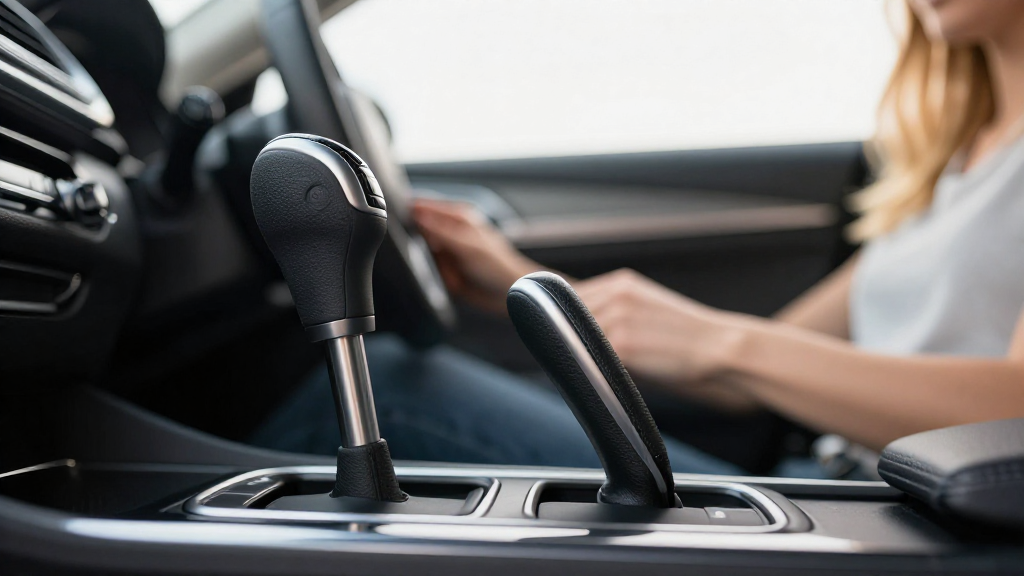
When it comes to choosing a vehicle, one of the most debated topics is automatic vs manual gears. Each option presents its own distinct advantages and disadvantages, catering to different types of drivers and driving experiences.
What Are Automatic Gears?
Automatic gears utilize a complex system to shift gears without the need for driver intervention.
This system allows for a smoother driving experience as it automatically adjusts to the car’s speed and engine RPM.
Benefits of Automatic Gears:
-
Ease of Use:
– No need to manually change gears.
– Ideal for city driving and stop-and-go traffic. -
Comfort:
– Less physical effort is required.
– Provides a more relaxed driving experience. -
Technological Integration:
– Often comes with advanced features like adaptive cruise control and engine start-stop systems.
What Are Manual Gears?
Manual gears require the driver to engage the clutch and shift gears themselves.
This option provides a more hands-on experience and is favored by many driving enthusiasts.
Benefits of Manual Gears:
-
Driver Control:
– Allows for precise gear selection.
– Enable the driver to optimally manage engine power and torque. -
Fuel Efficiency:
– Manual transmissions can deliver better fuel economy than their automatic counterparts.
– Less energy is consumed due to the simplicity of the mechanics involved. -
Cost-Effective:
– Typically less expensive to purchase and maintain.
– Repairs may be simpler and cheaper due to fewer electronic components.
Which Is Better for New Drivers?
For new drivers, the choice between automatic vs manual gears can be crucial.
Automatic Gears:
– Offers a gentler learning curve.
– Reduces the complexity of learning to drive.
Manual Gears:
– Encourages drivers to understand vehicle mechanics.
– Promotes better vehicle control from the outset.
In this context, automatic gears are often deemed better for beginners due to their user-friendly nature.
How Do Each Affect Driving Experience?
The driving experience with automatic vs manual gears can differ significantly based on personal preference and driving habits.
Automatic Gears:
– Ideal for long-distance travel or urban environments.
– Often more relaxing as the driver doesn’t have to focus on gear changes.
Manual Gears:
– Allows for a more engaging experience as the driver is intimately involved with the vehicle’s performance.
– Favored on winding roads or tracks where precision handling is prioritized.
Understanding how each transmission type influences driving can help potential buyers make the right choice.
Maintenance Considerations: Automatic vs Manual Gears
When it comes to upkeep, both automatic and manual transmissions present unique challenges.
Automatic Gears:
– May require more frequent servicing.
– The complexity of components can lead to expensive repairs.
Manual Gears:
– Generally easier to maintain and less prone to failure.
– Clutch replacement is a common need but usually more affordable than automatic repair costs.
In terms of maintenance, manual gears generally come out ahead.
Fuel Efficiency: Which Transmission Wins?
Fuel efficiency is a key factor when comparing automatic vs manual gears.
Automatic Gears:
– Recent advancements have improved their efficiency.
– However, they still tend to consume more fuel than manual transmissions in many cases.
Manual Gears:
– Allow drivers to optimize shifting for better fuel economy.
– This can be particularly beneficial during highway driving.
For fuel-conscious drivers, manual gears often provide better overall performance.
Are There Preferences by Region?
Transmission preferences can vary widely based on geographic location.
In North America, automatic gears are the predominant choice due to the ease of use and preference for comfort in driving.
However, in other parts of the world, notably in Europe and Asia, many drivers prefer manual transmissions for their enhanced control and fuel efficiency.
How Do Driving Conditions Impact Performance?
The driving conditions one faces can significantly affect the performance of automatic vs manual gears.
In Heavy Traffic:
– Automatic gears excel as they can shift without driver input, relieving stress.
On Open Roads or Highways:
– Manual gears provide more control and can be more enjoyable for experienced drivers.
In summary, driving conditions play a considerable role in determining the suitability of each transmission type.
What Do Insurance Rates Say?
When choosing between automatic vs manual gears, one might consider insurance costs.
Vehicles with manual transmissions can sometimes lead to lower insurance premiums.
This is due to the preconceived notion that manual cars are often more performance-oriented and thus inherently more risky, despite this being a stereotype.
Moreover, certain demographics can influence rates, with younger drivers often facing higher premiums regardless of the transmission type.
Conclusion: Which Is The Right Choice for You?
The answer to the automatic vs manual gears dilemma truly depends on your personal preferences, driving style, and needs.
-
If you value ease of use and comfort, especially in urban settings, then automatic gears are likely the better choice for you.
-
If you take pleasure in driving and prefer more control and engagement, manual gears may be your best option.
Ultimately, there’s no definitive answer — it’s about which option aligns best with your driving lifestyle.
Before making your decision, consider:
- Your driving environment
- Your comfort level with changing gears
- Your budget for initial purchase and maintenance costs
After weighing these factors, you will be better equipped to decide between automatic and manual gears for your next vehicle. Choose wisely, as the right transmission can significantly enhance your driving experience!