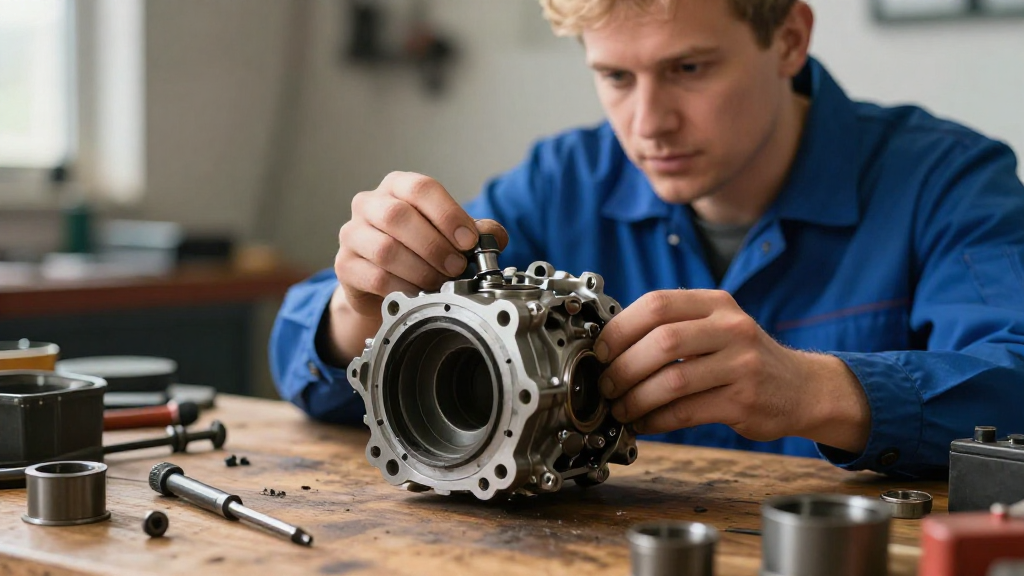
When facing issues with your vehicle’s transmission, understanding the gearbox troubleshooting steps is essential for diagnosing and resolving the problem swiftly.
What are the Common Symptoms of Gearbox Problems?
Before we delve into the gearbox troubleshooting steps, it’s vital to identify the symptoms that signal gearbox issues.
-
Unusual Noises
– Grinding or whining sounds.
– Clicks or pops during shifting. -
Difficulty in Shifting Gears
– Stuck or unresponsive gear lever.
– Gears slipping unexpectedly. -
Fluid Leaks
– Puddles or spots of transmission fluid under the vehicle.
– Low fluid levels indicated on the dipstick. -
Warning Lights
– Transmission warning light illuminating on the dashboard. -
Unresponsive Clutch
– Clutch pedal feels spongy or stuck.
– Engaging the clutch does not change the gear.
Recognizing these symptoms can direct you towards the correct gearbox troubleshooting steps necessary to diagnose the issue further.
Which Tools Do You Need for Gearbox Troubleshooting?
Having the right tools is key to effective gearbox troubleshooting. Here’s what you should have on hand:
- Socket Set: For removing gearbox covers or components.
- Torque Wrench: To ensure you apply the correct torque specifications.
- Transmission Fluid Analysis Kit: To test the health of your transmission fluid.
- Multimeter: For checking electrical systems, including sensors.
- Owner’s Manual: For understanding specific gearbox mechanics and recommendations.
With these tools ready, you can effectively execute the necessary gearbox troubleshooting steps.
How Do You Begin Troubleshooting?
Starting with a systematic approach can save you time and energy. Follow these steps:
Step 1: Conduct a Visual Inspection
- Look for leaks, particularly around the gearbox and associated seals.
- Check the condition of hoses and wiring associated with the gearbox.
- Examine the gear shifter for any noticeable wear or damage.
Step 2: Check the Transmission Fluid Level and Condition
- Ensure that the vehicle is level and the engine is running.
- Use the dipstick to assess fluid levels. If low, top up with the manufacturer-recommended fluid.
- Inspect the fluid for color and odors — it should be reddish and not smell burnt.
Step 3: Inspect the Clutch System
If your vehicle is fitted with a manual gearbox:
- Check the clutch fluid level and condition.
- Inspect for signs of wear on the clutch plate.
- Ensure that the clutch pedal provides proper resistance and engagement.
What Are Advanced Troubleshooting Steps?
If initial checks do not reveal issues, it’s time to delve deeper with advanced gearbox troubleshooting steps.
Step 4: Scan for Error Codes
- Use an OBD-II scanner to retrieve any stored error codes.
- These codes can guide you to specific problems related to the gearbox or its sensors.
Step 5: Examine Electrical Components
With most modern vehicles relying on electronic components, check:
- Wiring harness for frays or disconnections.
- Sensors (like speed sensors) for proper functionality with a multimeter.
- Electrical connectors for signs of corrosion or damage.
Step 6: Test Drive the Vehicle
- Drive the vehicle and pay attention to all shifting patterns.
- Note any signs of slipping, rough shifts, or noise correlated with speed changes.
When Should You Seek Professional Help?
Despite careful execution of the gearbox troubleshooting steps, some issues may require a professional’s touch.
Consider seeking professional help in the following situations:
- Complex Gearbox Designs: Vehicles with integrated electronics or sophisticated gearbox designs.
- Extensive Damage: If you suspect significant internal damage to the gearbox.
- Unexplained Issues: When symptoms persist despite following troubleshooting steps.
- Lack of Knowledge: If unfamiliar with gearbox components or lack tools necessary for repairs.
Seeking professional help can often save time and prevent further damage.
How Can You Prevent Gearbox Problems?
Preventing problems is often easier than resolving them. Here are some preventive measures:
-
Regular Fluid Changes
– Follow the manufacturer’s schedule for fluid changes with high-quality transmission fluid. -
Inspection of Seals and Gaskets
– Regularly inspect and replace worn seals or gaskets before they lead to leaks. -
Maintaining Proper Driving Habits
– Avoid aggressive driving and ensure smooth gear transitions. -
Monitoring Dash Indicators
– Address warning lights promptly to prevent minor issues becoming major costs. -
Professional Servicing
– Have your gearbox inspected at least once a year by a qualified technician.
By taking these preventive measures, you can significantly reduce the risk of developing gearbox issues and the need for extensive gearbox troubleshooting steps.
Conclusion
In summary, understanding the gearbox troubleshooting steps can empower you to deal efficiently with gearbox issues.
Start by identifying the common symptoms, ensuring you have the right tools, and systematically working through a checklist of checks and tests.
Knowing when to seek professional help is also crucial.
Incorporating preventive measures will not only enhance your vehicle’s longevity but also provide peace of mind while driving.
Remember, a well-maintained gearbox is integral to your vehicle’s performance and your safety on the road!